

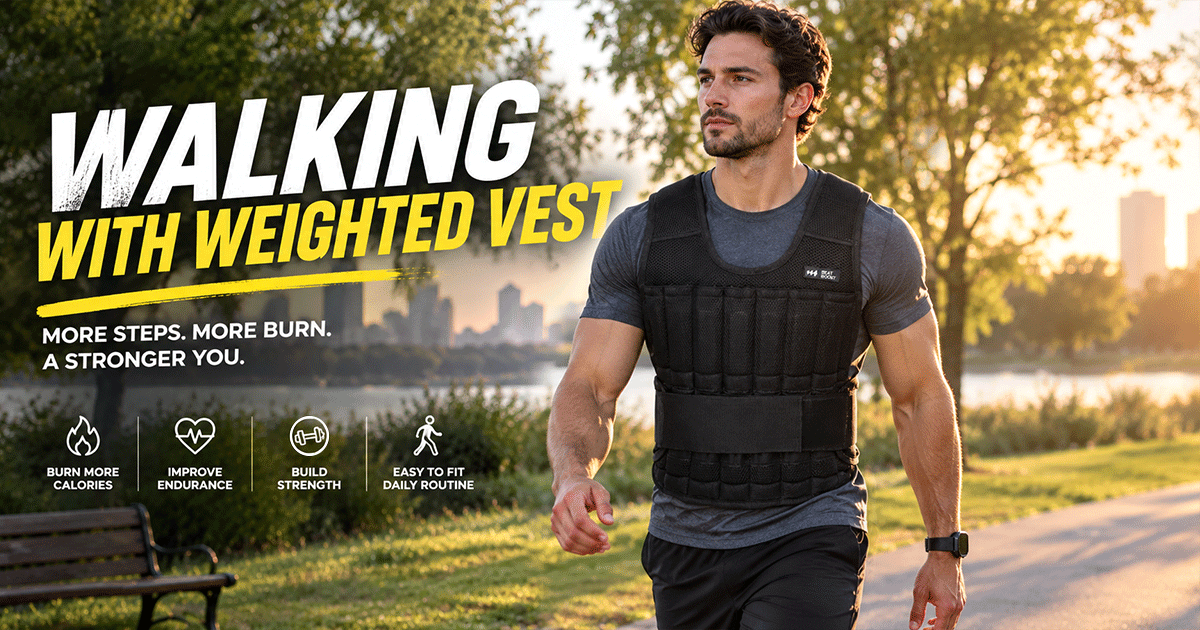
Adding 20 lbs of extra resistance sounds like a great way to boost muscle activation. But where you attach that weight on your body determines whether you build strength or strain your joints.
Let’s compare heavy ankle weights against an adjustable weighted vest to see which is safest for your training goals.
The Physics of Heavy Limb Weight
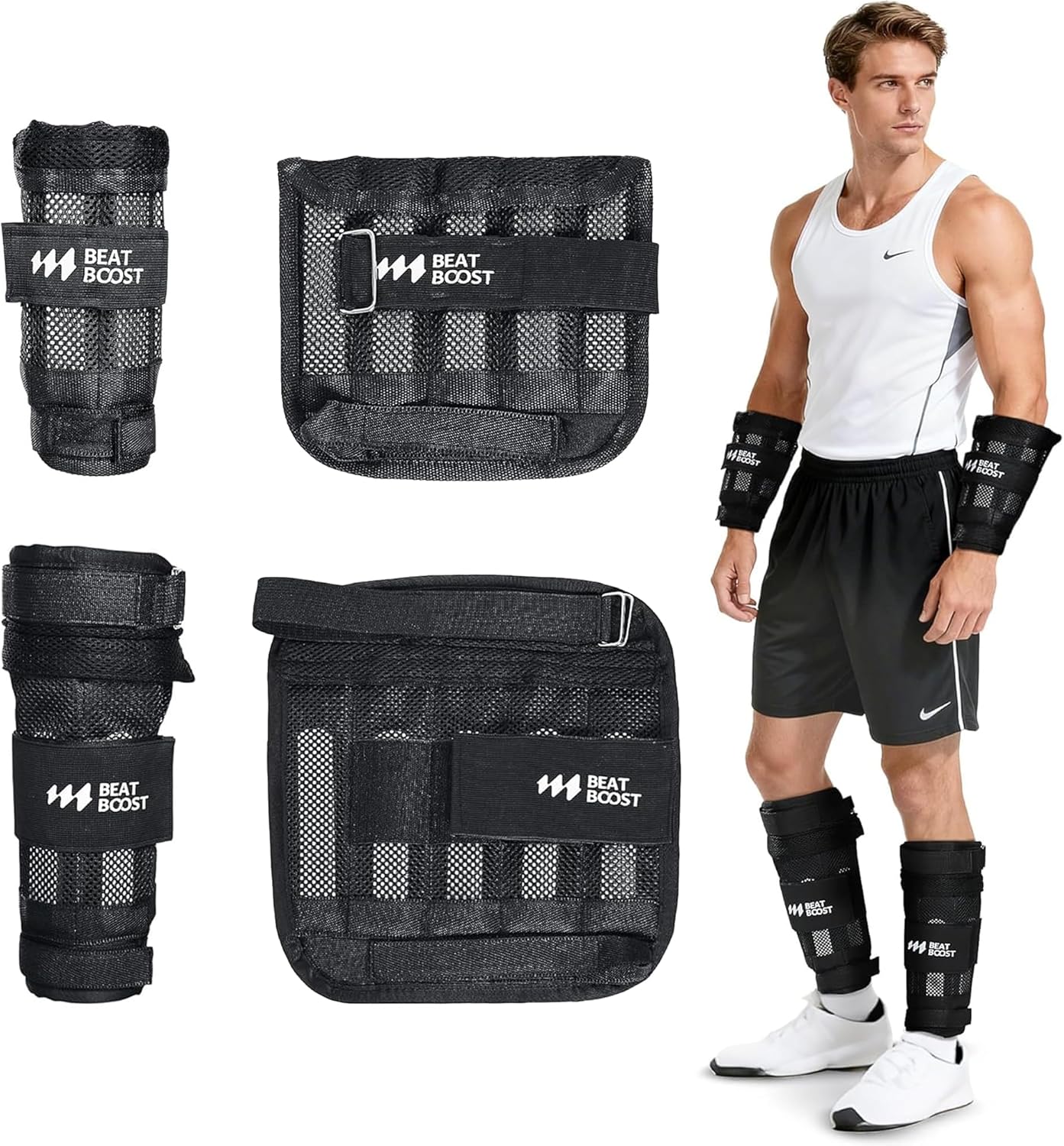
When you wear a 20LB ankle weight, that mass sits at the furthest point from your hip joint (a long lever arm).
-
Hip Flexor Strain: Every time you lift your leg, your hip flexors and lower back must pull against 20 lbs of torque, increasing the risk of lower back arching.
-
Knee Shearing Forces: Heavy ankle resistance pulls on the knee joint capsule during walking or leg swings.

Why a Weighted Vest Is Better for Heavy Loads
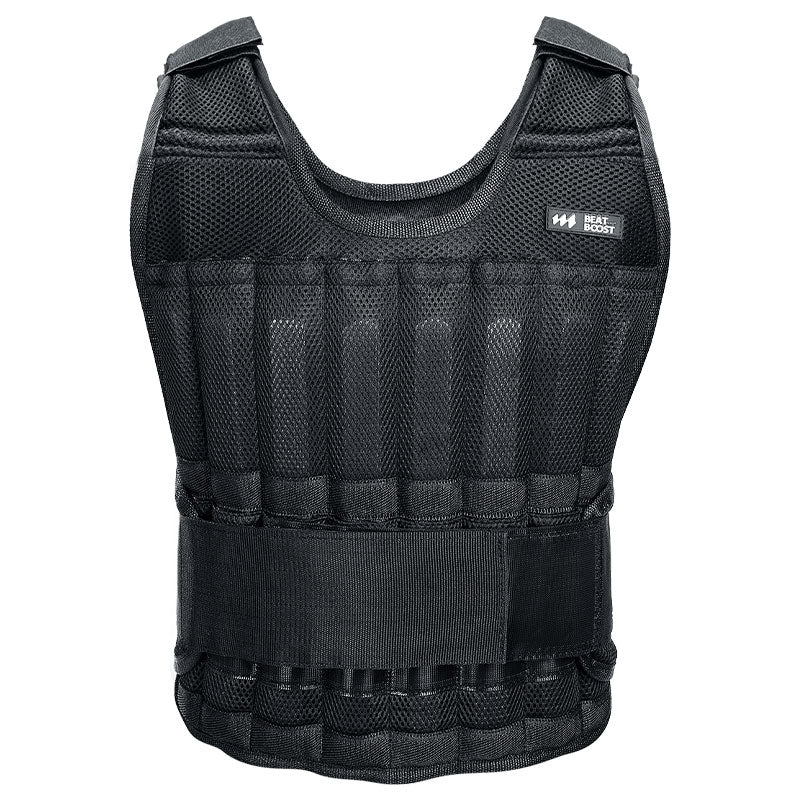
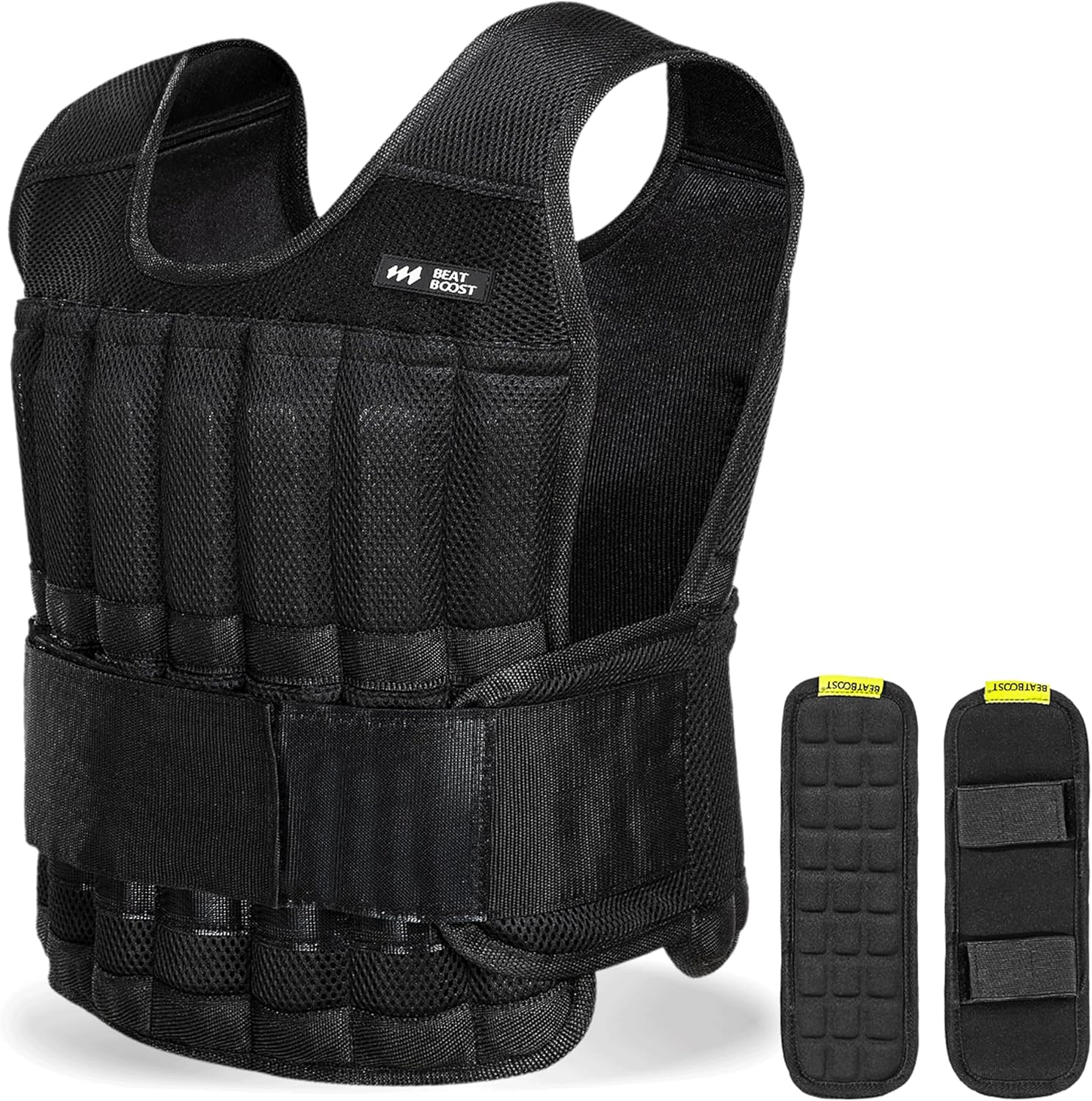
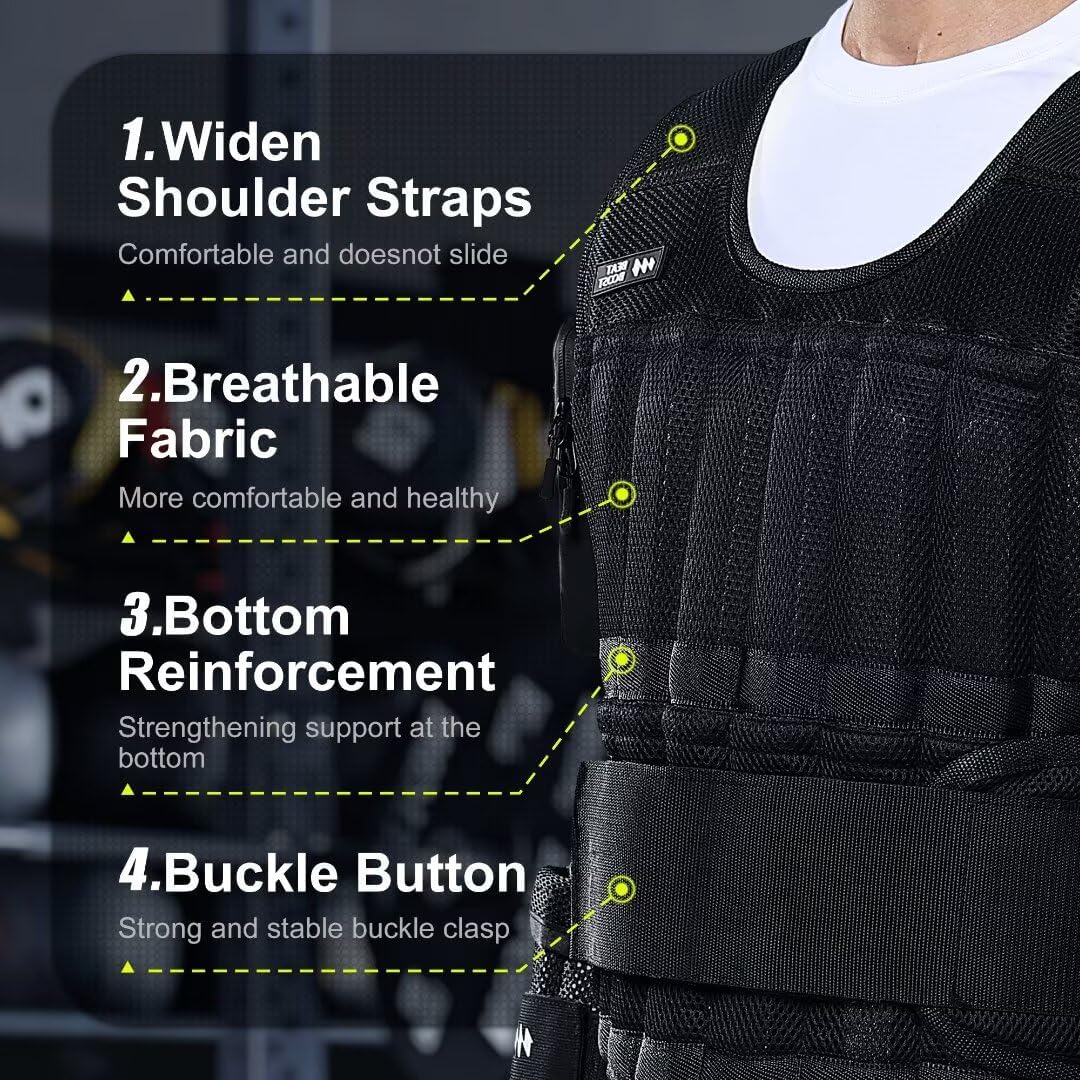
A weighted vest keeps heavy resistance centered close to your spine and core (your center of mass).
-
Vertical Compression vs. Torque: The weight loads vertically down your spine, which builds bone density and spinal alignment when supported by your core.
-
Natural Gait: Your feet and legs move freely without awkward pull on your knees.
The Best Way to Combine Both
-
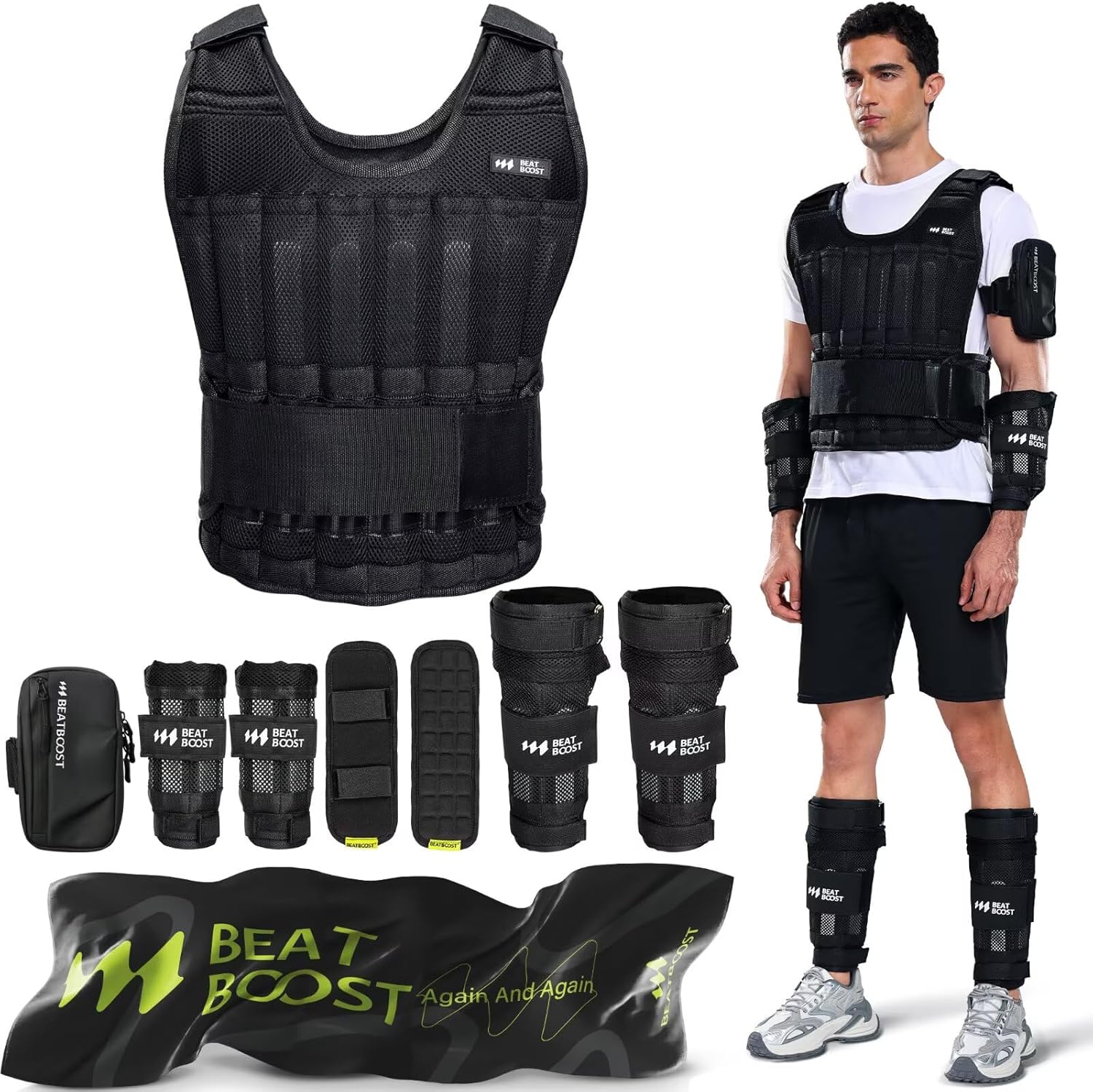
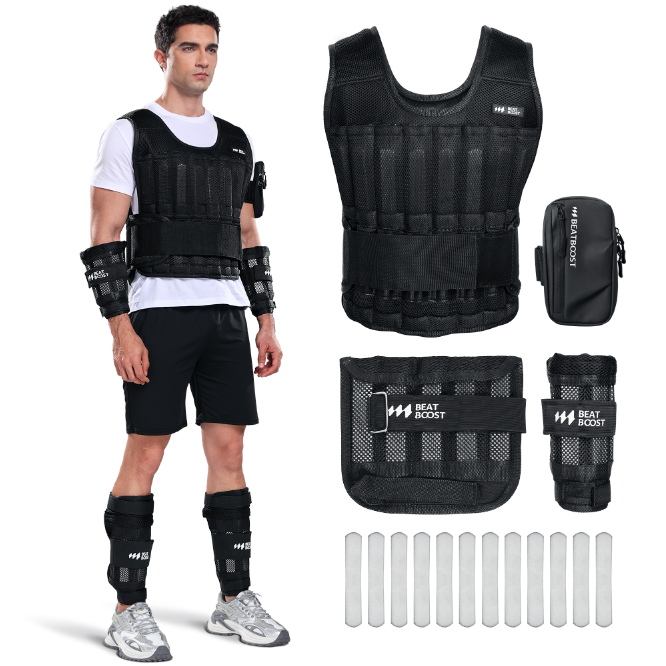
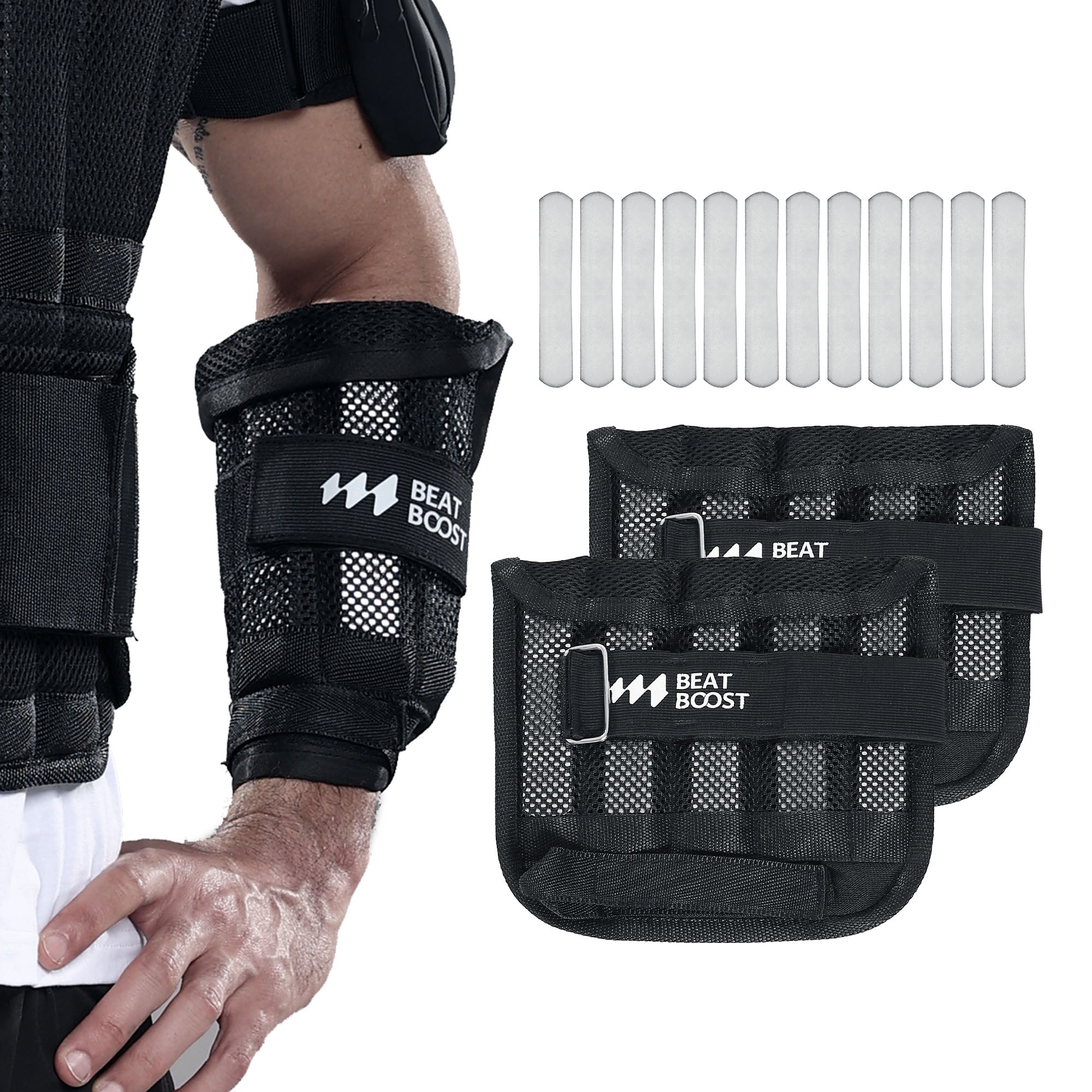
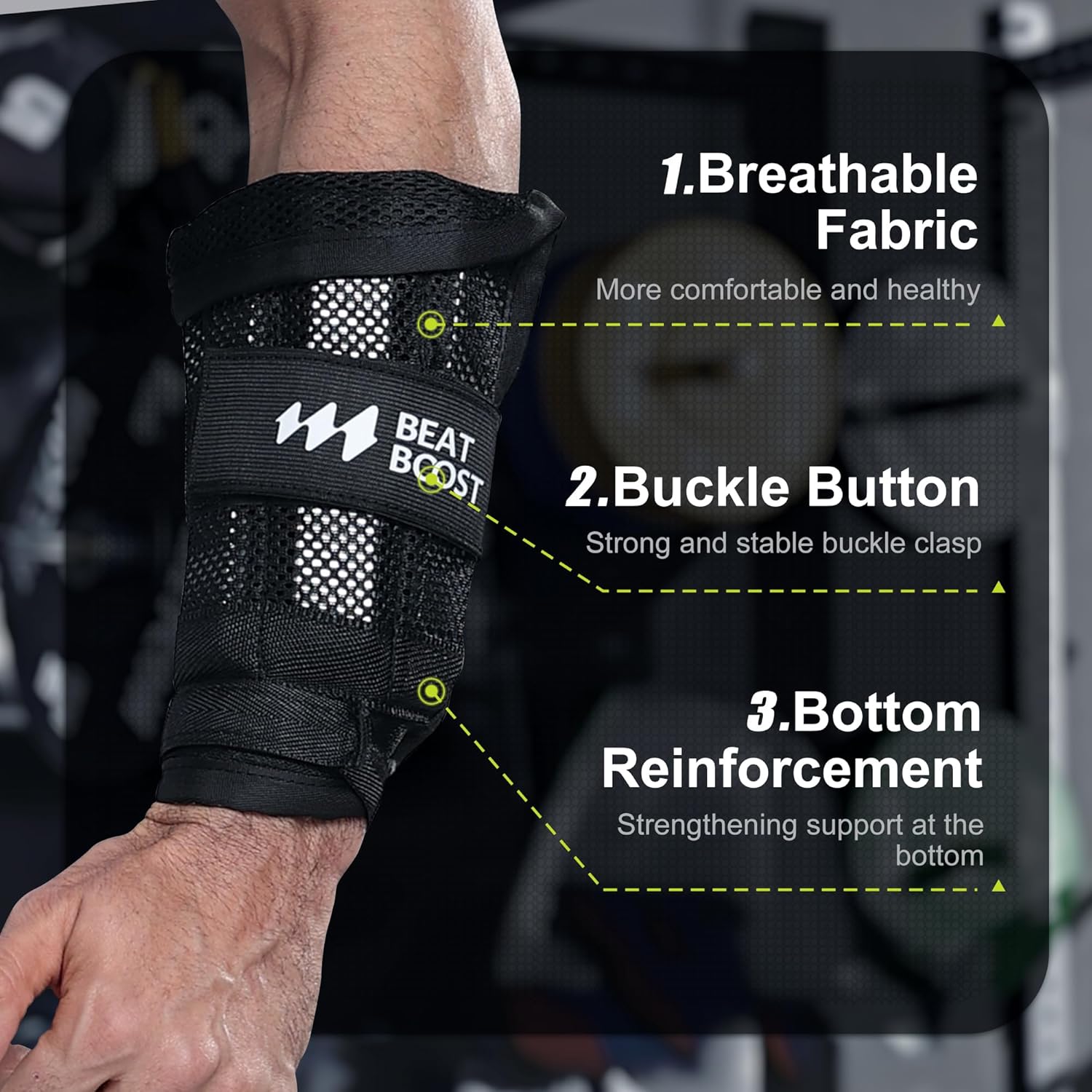
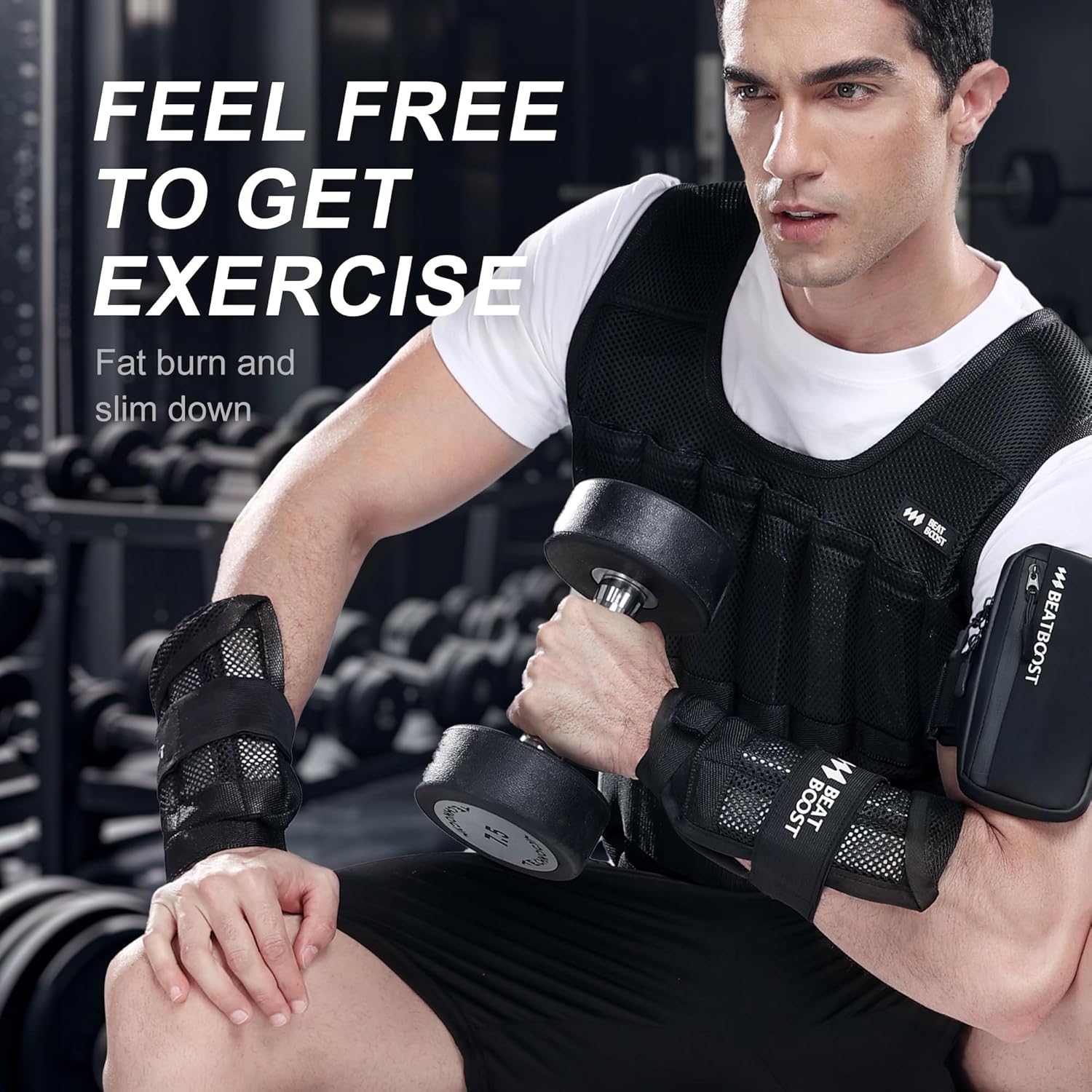
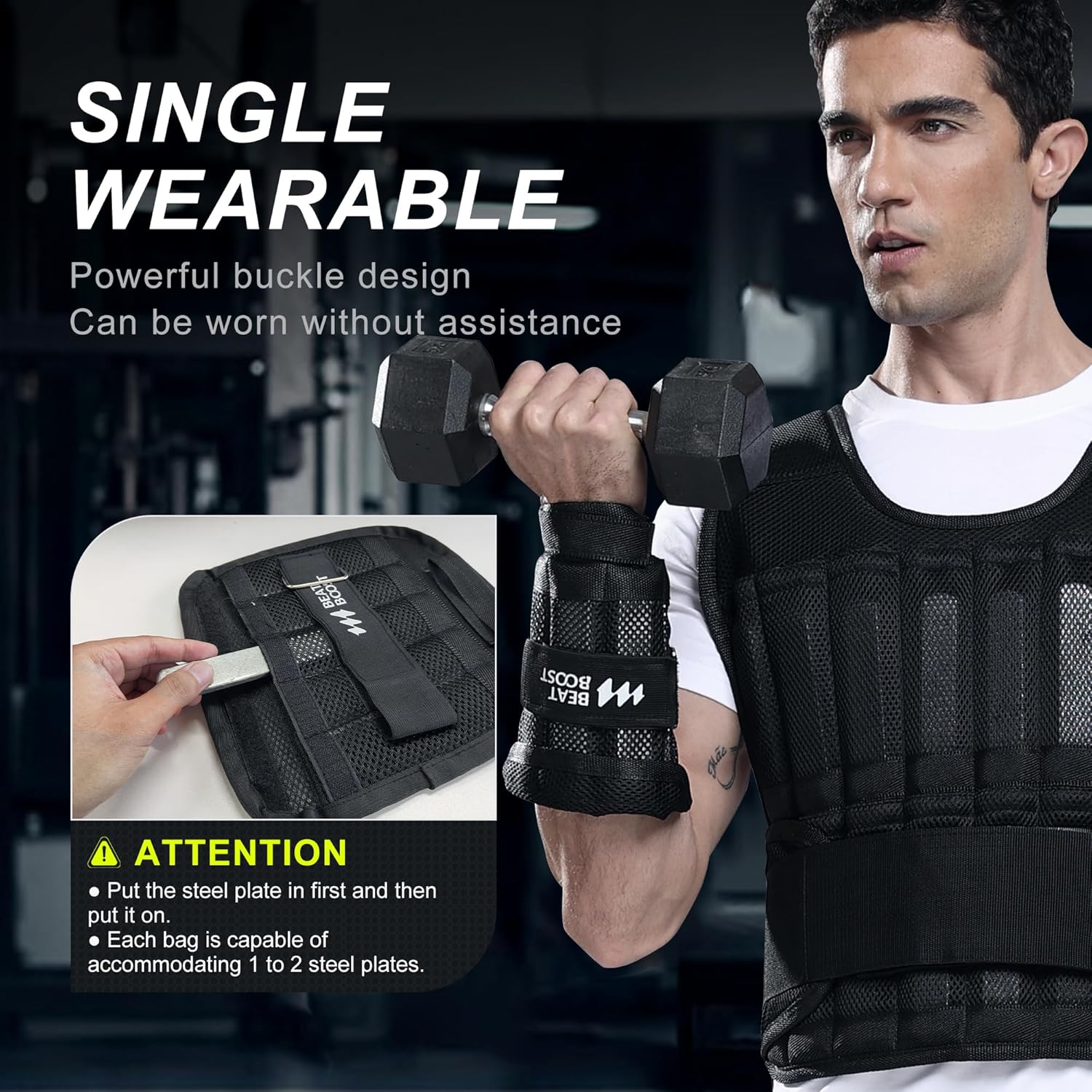
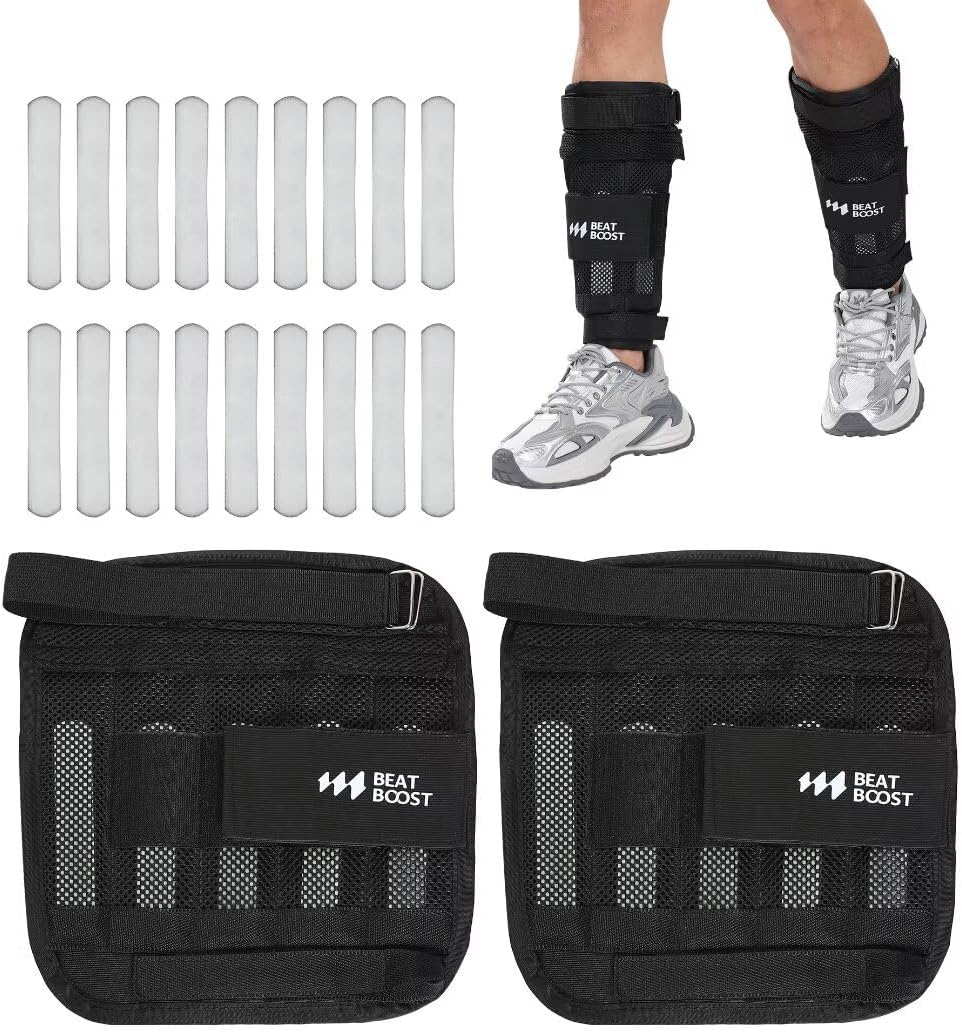
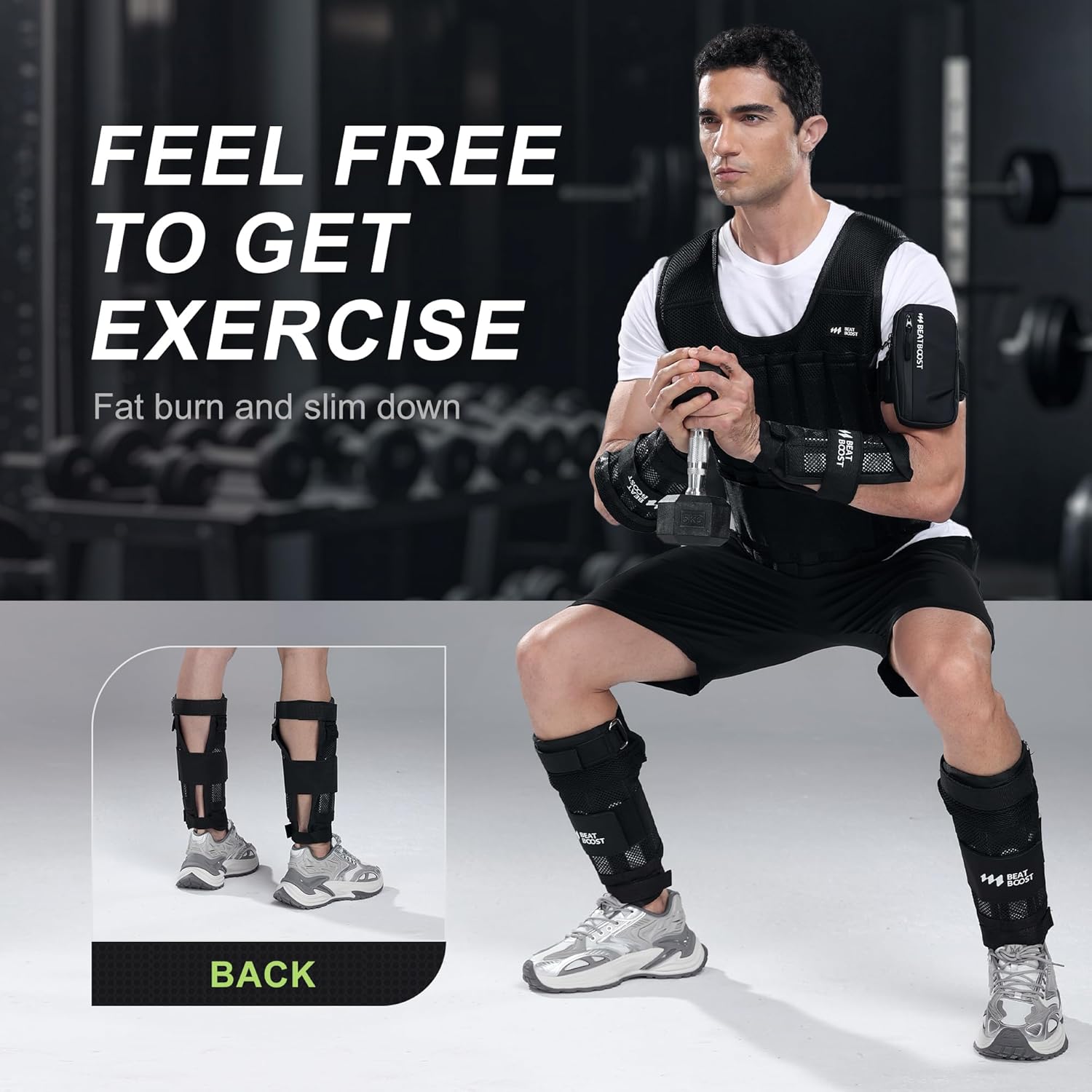
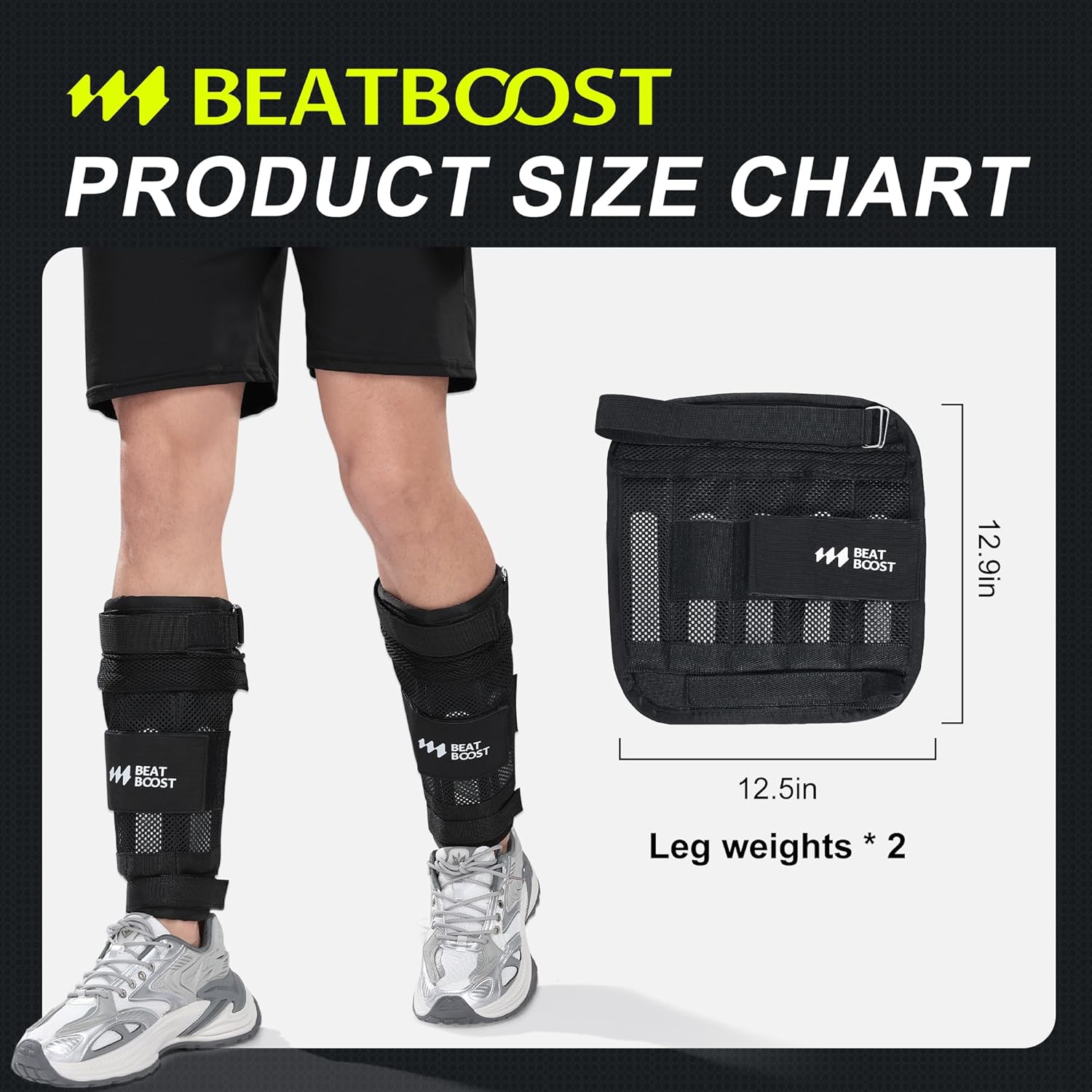
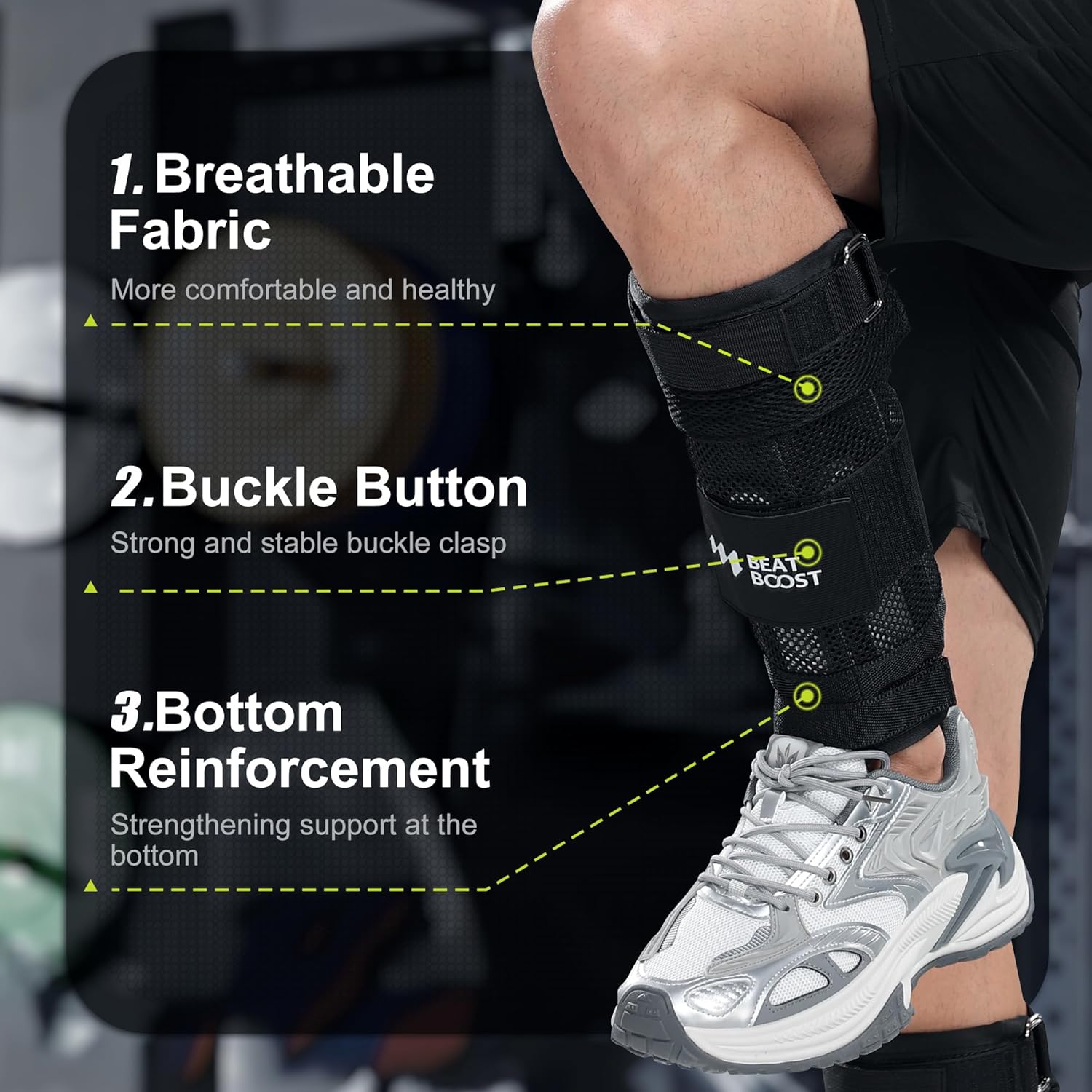
Use Ankle/Wrist Weights (3LB–10LB): Ideal for controlled isolation moves like leg lifts, fire hydrants, and arm extensions.
-
Use Weighted Vests (20LB–60LB): Essential for compound movements like walking, squats, lunges, and pull-ups.
Share:
The 20LB Weighted Vest Walking Protocol: Burn Calories Without Hurting Your Knees