

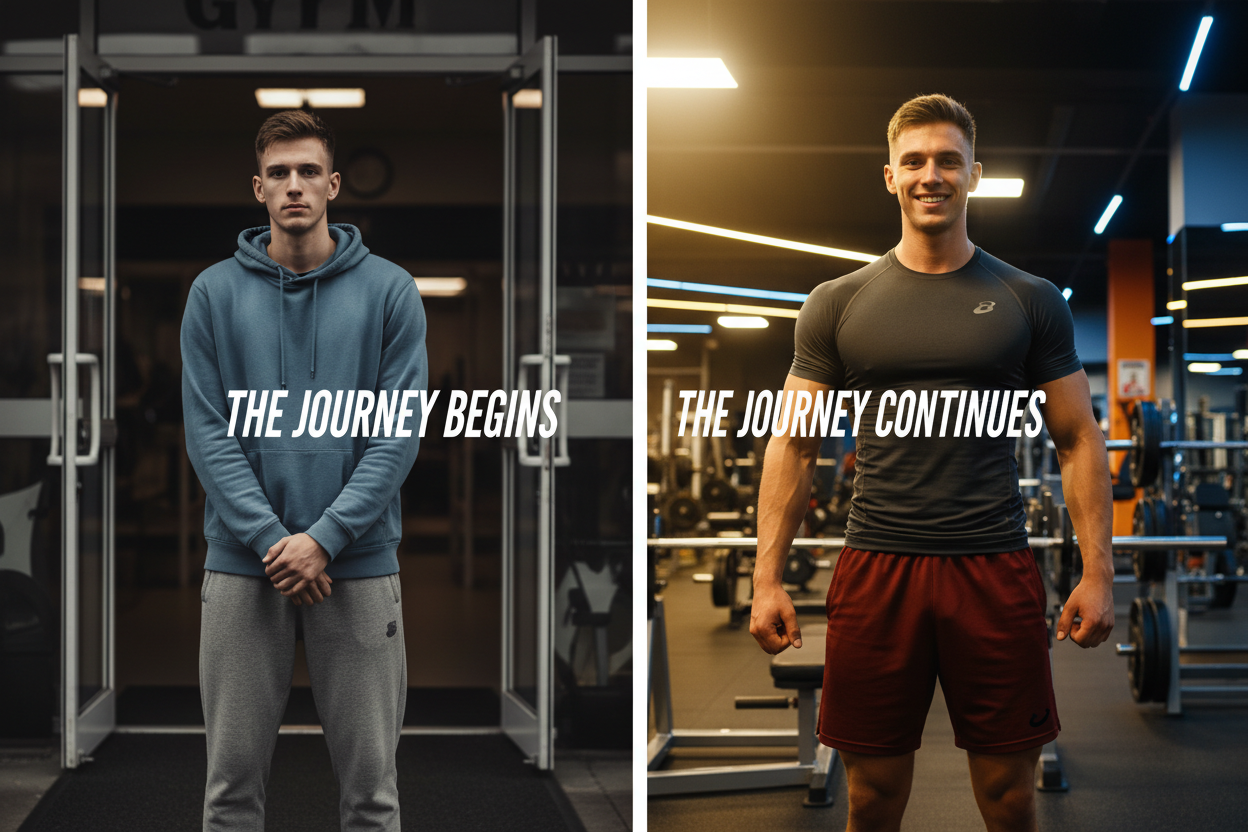
You eat. You code. You sleep. But the scale never moves. Your shoulders look narrow in a hoodie. If you take your shirt off, you see ribs instead of chest.
This isn't your fault.
Being naturally lean — what trainers call an "ectomorph" or "hardgainer" — means you burn energy so efficiently that your body refuses to store anything extra. Worse, spending 45+ hours a week hunched over a screen makes your frame feel even smaller.
The good news? You don't need to live in a gym. And you don't need a six‑meal‑a‑day diet. Science shows that minimal, smartly applied load — especially when woven into your existing daily flow — is enough to force lean‑framed bodies to build muscle.
This guide is built for programmers, gamers, and anyone who thinks "I just can't gain weight." No expensive gear. No toxic gym environments. No radical life overhaul.
Why You Struggle to Gain — Your Advantage
Being naturally skinny isn't a flaw. It's a metabolic advantage. Your body has superior insulin sensitivity, which means the calories you eat are more likely to go toward muscle rather than fat. When you do gain, you gain lean — not soft.
The one rule you cannot break: eat a little more than you burn. For hardgainers, a modest surplus of 300–500 extra calories per day (about a peanut butter sandwich and a glass of milk) is enough to fuel muscle growth without storing unnecessary fat.
That's it. No force‑feeding. No "dirty bulking" on fast food. Focus on calorie‑dense, clean foods: eggs, chicken, Greek yogurt, nuts, rice, oats, red meat, and a daily shake.
If you hit your protein baseline (about 1.6g per kg of body weight) and add 300 extra calories, your body will do the rest.
Now, how to trigger that growth without living in a gym.
The "Minimum Effective Dose" — Why Short, Frequent Training Works For You
Long gym sessions are not your friend. Research on the "minimum effective training dose (METD)" consistently shows that significant gains in strength and muscle are achievable with less volume than often recommended. For beginners, low‑volume training is just as effective as high‑volume training for building muscle. The minimum effective dose for hypertrophy is roughly 4 sets per muscle group per week.
Another recent meta‑analysis found that for muscle growth, benefits level off after about 11 fractional sets per session; for strength, just 2 hard sets per session is enough before diminishing returns kick in.
That means you don't need to spend 90 minutes in a weight room. You need consistency and gradual load progress.
The single best tool to deliver that load, without changing your daily routine? An adjustable weighted vest.
Micro‑Dosing Your Commute — Stairs, Walking, and Passive Overload
Research on stair climbing is remarkable. A meta‑analysis of nearly half a million people found that climbing stairs is linked to a 24% lower risk of early death from any cause, and a 39% lower likelihood of death from cardiovascular disease. Even more relevant: studies show stair climbing can boost mental flexibility, focus, and creativity — perfect before a long debugging session.

The Daily Stair Protocol For Office Workers
-
Morning commute: Put on a lightweight adjustable vest before you leave the house.
-
Between bus/train and office: Take the stairs. Every time. If there are 5 flights, climb them. If there are 10, do it anyway.
-
During the day: When you get up to refill water or use the bathroom, take a longer path that includes 2–3 flights of stairs.
-
Total daily load: Most office workers can accumulate 20–30 flights of stairs without changing their schedule by more than 60 seconds per trip.
Walking with a weighted vest can increase calorie burn by over 40% depending on the load. But more importantly for muscle growth, weighted walking increases muscle activation in your legs, glutes, and core with every step.
One writer who tried rucking for 30 days put it this way: "Rucking strengthens the muscles that keep your spine upright. Over time, this can improve posture and reduce common low‑back issues caused by weakness and inactivity."
Weekend Upgrade
On Saturday, instead of just walking the dog or going to the grocery store, wear your vest for the entire outing. Pick a route with hills. Carry your groceries home while still wearing it. You just turned errands into a functional full‑body workout.
No Gym, No Excuses — Bodyweight + Weighted Vest Circuits
You don't need a squat rack. Your living room floor and an adjustable vest are enough to trigger real muscle growth.

The 15‑Minute "Ripcord" Circuit
Do this twice a week, on days you don't already have incidental load from stairs or walking.
-
Weighted Vest Push‑ups: 3 sets, as many as possible (8–15 range), rest 45 sec
-
Deep Squats with Vest: 3 sets of 12–15 reps, rest 45 sec
-
Reverse Lunges: 3 sets of 10–12 reps per leg, rest 45 sec
-
Plank with Vest on Back: 3 holds of 20–40 seconds, rest 45 sec
Total time: roughly 15 minutes. That's one episode of a TV show. Or a software build.
The vest provides external resistance that transforms bodyweight movements into strength training. For hardgainers, that resistance is the missing signal your muscles need to grow.
When You're Ready For The Gym — Use Your Vest As A Force Multiplier
At some point — maybe after 4–6 weeks of consistent home work — you might feel curious about a real gym. The machines. The dumbbells. The judgmental looks that exist only in your head.
Here's a truth most people won't tell you: gym anxiety is extremely common. That feeling of being watched, judged, or out of place? Almost everyone feels it at first.
The simple way around it: start at home. Build a baseline of strength and confidence with bodyweight + vest workouts in your living room. Learn the basic movement patterns — squat, lunge, push, hinge — before you ever step into a gym. By the time you walk through those doors, you'll already know what you're doing. That quiet competence is the best antidote to feeling out of place.
Smart Gym Integration (When You're Ready)
-
Go off‑peak: 6–7 AM or 9–11 AM on weekends. The crowd is smaller.
-
Use your vest on the treadmill: 15 minutes at a steep incline (8–10%) with a 10‑15 lb vest.
-
Stack it with free weights: Add your vest to barbell squats or walking lunges. You double the load without needing heavier dumbbells.
When you do start lifting, prioritize compound movements — squats, deadlifts, pull‑ups, overhead press. These recruit the most muscle fibers and give you the biggest return for your time. Then go home.
Eat To Grow — The 300‑Calorie Surge
Muscle isn't built in the gym. It's repaired on your couch, during sleep, and with food. If you're naturally skinny, your body needs a slight surplus.

A Sample Day That Requires Almost No Cooking
-
Breakfast: 4 eggs + 2 slices toast + butter + glass whole milk (~700 calories)
-
Lunch (work): Large peanut butter sandwich + Greek yogurt + banana (~650 calories)
-
Afternoon snack: Handful of almonds + protein shake (~350 calories)
-
Dinner: Chicken/beef + rice + vegetables (~700 calories)
-
Evening (optional): Cottage cheese or glass of milk before bed (~200 calories)
Total: roughly 2,600–2,800 calories, appropriate for a 140–160 lb male who trains 3–4 times per week.
For ectomorphs specifically, experts recommend aiming for 1.2–1.6 grams of protein per kilogram of body weight daily, with a high‑carbohydrate diet that includes balanced amounts of protein and fats to increase caloric intake.
No meal prep obsession. No protein powder requirement. Just real food that your grandmother would recognize.
The Products That Make This Work — BeatBoost Adjustable Gear
Every strategy above assumes you have an adjustable weighted vest. But not all vests are created equal, especially for the daily‑use lifestyle described here.
What To Look For
-
Machine‑washable fabric: After a week of commuting, grocery runs, and living‑room circuits, your vest will smell. If you can't wash it, you won't wear it.
-
Adjustable in small increments: Start with 4 lbs. Add 1 lb when it feels easy. This is called "progressive overload," and it's the real engine of muscle growth.
-
Slim profile: You need something that fits under a jacket or loose hoodie. If it looks like tactical body armor, you'll leave it at home.
-
Steel plates over sand: Cheap weighted vests often use loose iron sand or granular filler, which shifts, leaks, and develops unpleasant odors over time. Steel plates — especially coated ones — offer high density in a compact form, resist rust, stay quiet, and won't leak or smell.
The BeatBoost Adjustable Weighted Vest
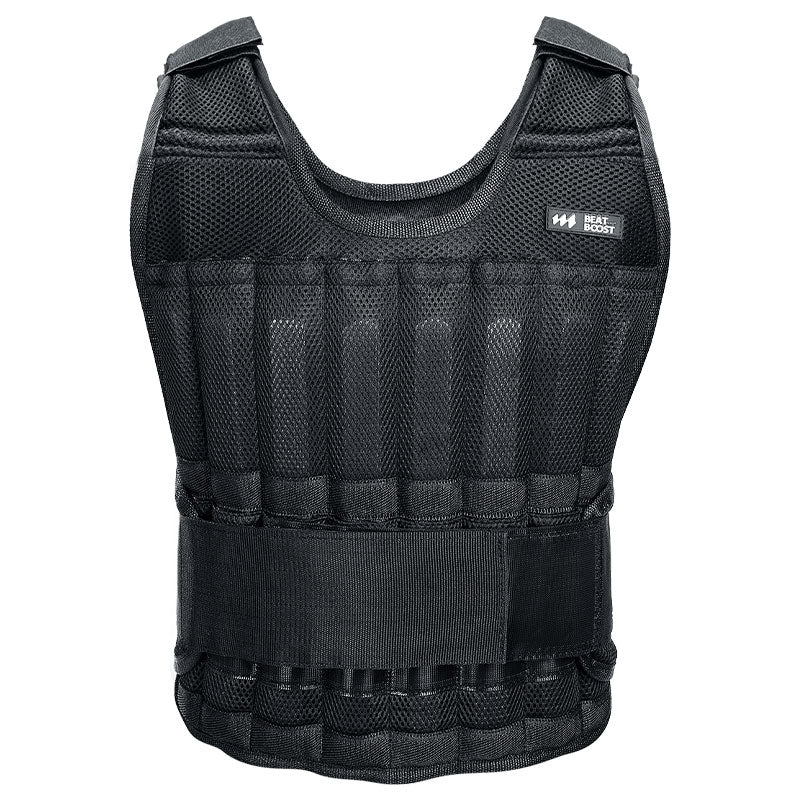
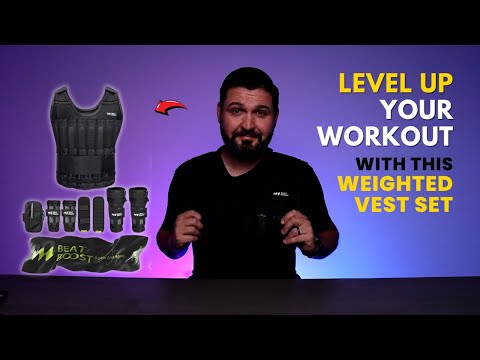
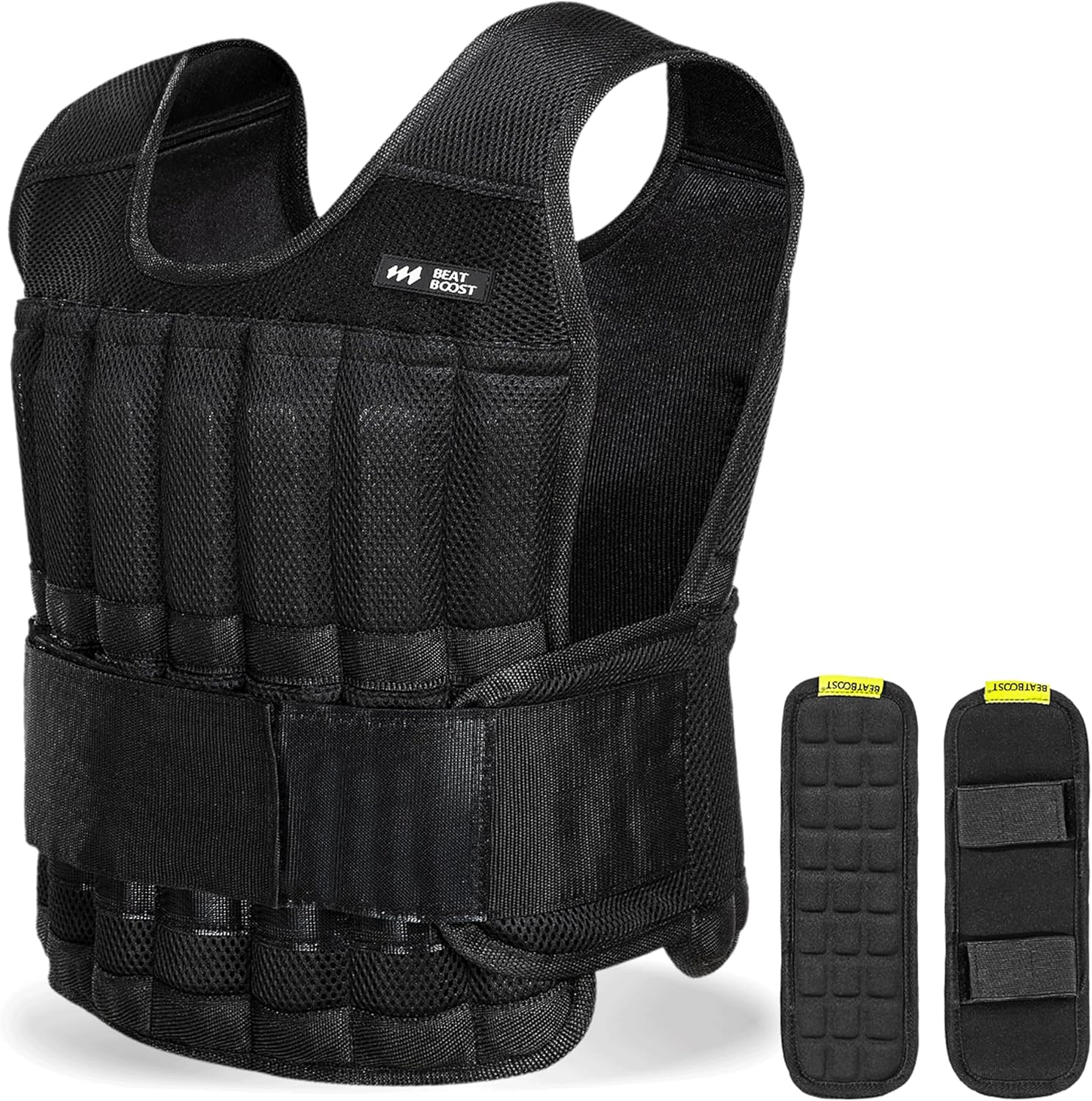
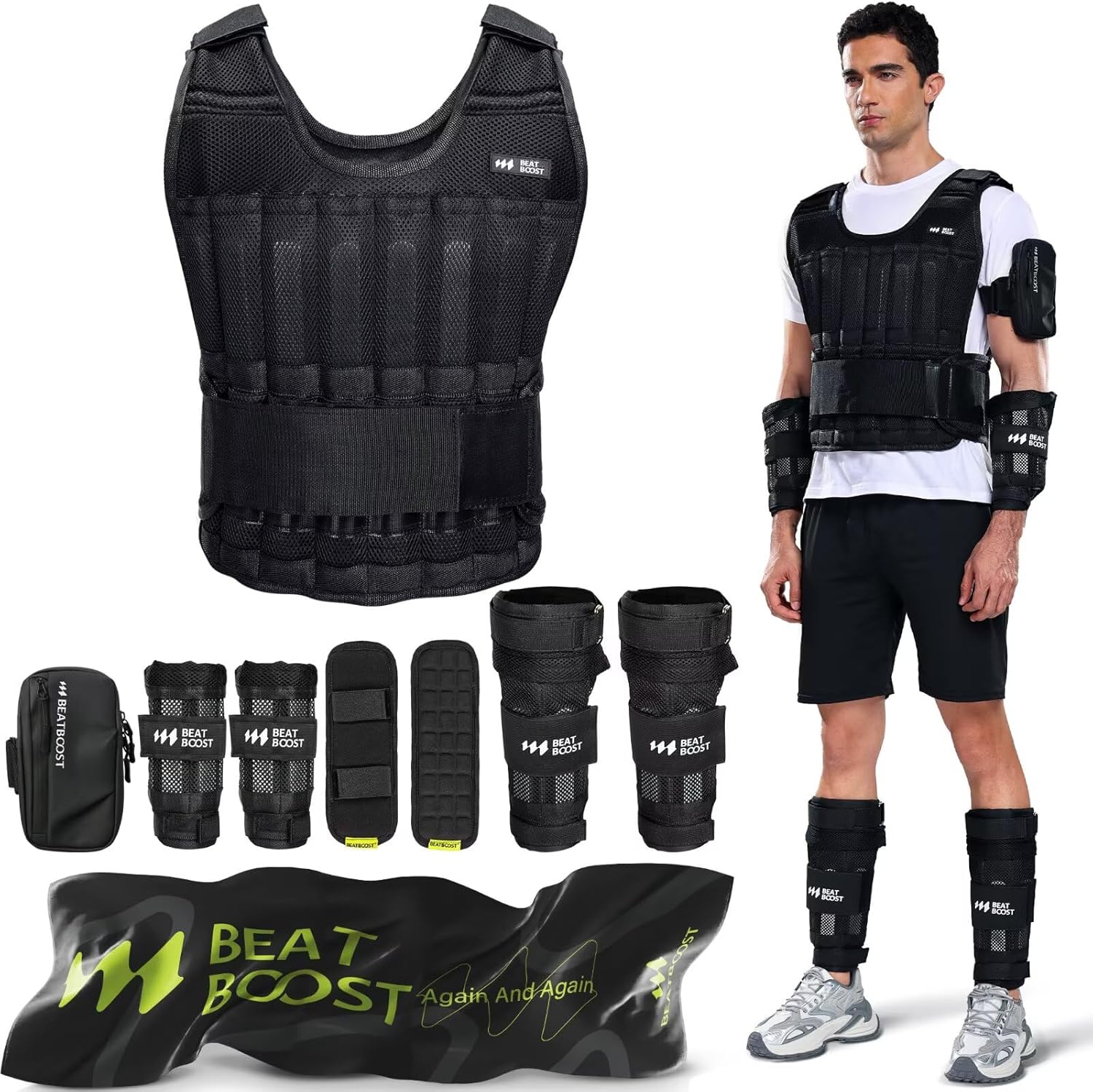
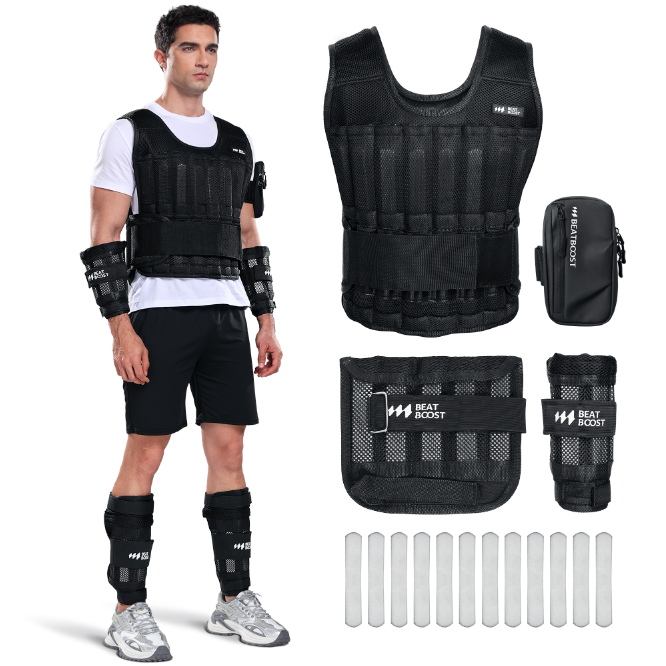
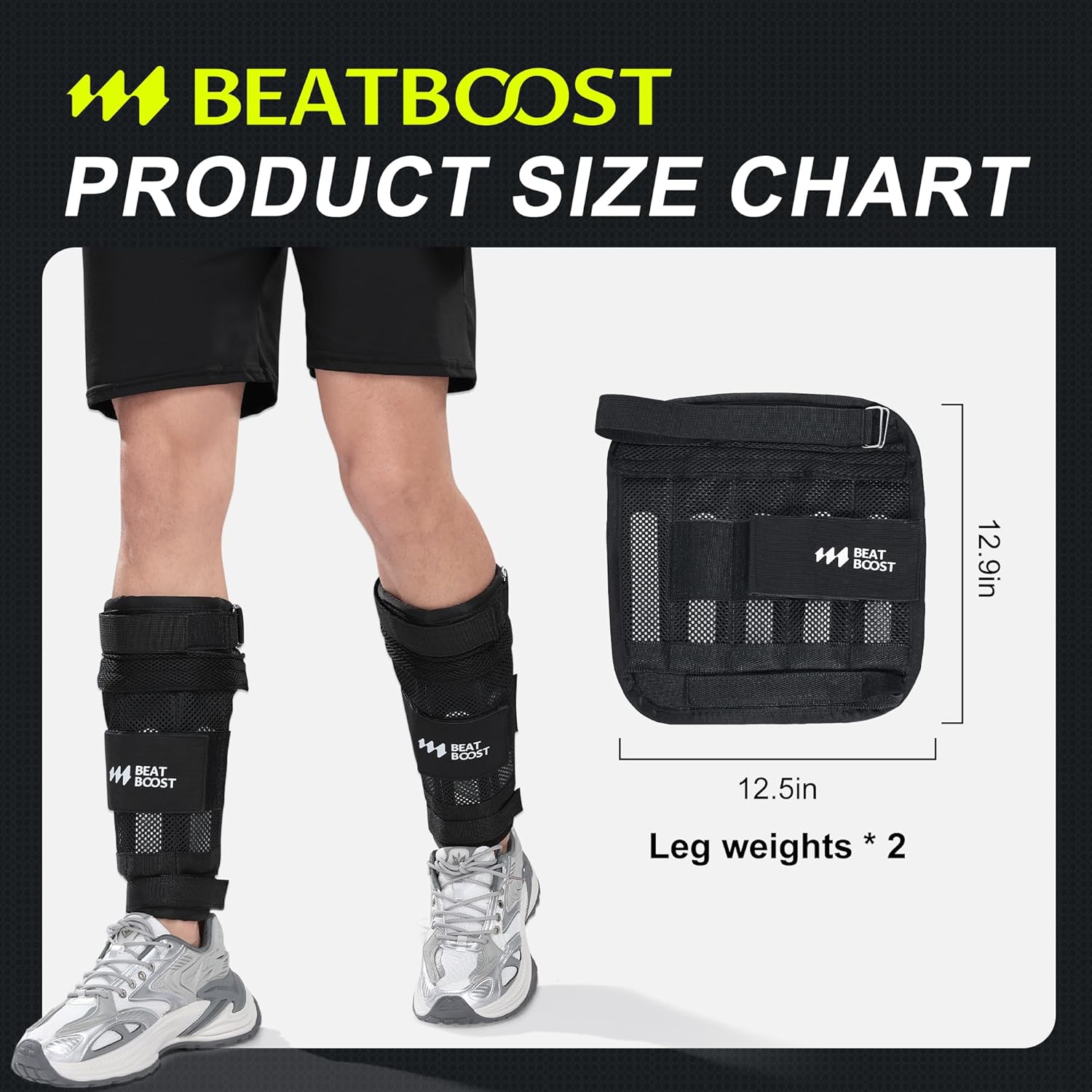
Our Adjustable Weighted Vest with Steel Plates is built for exactly this lifestyle.

Why our vest works for hardgainers and desk‑bound beginners:
-
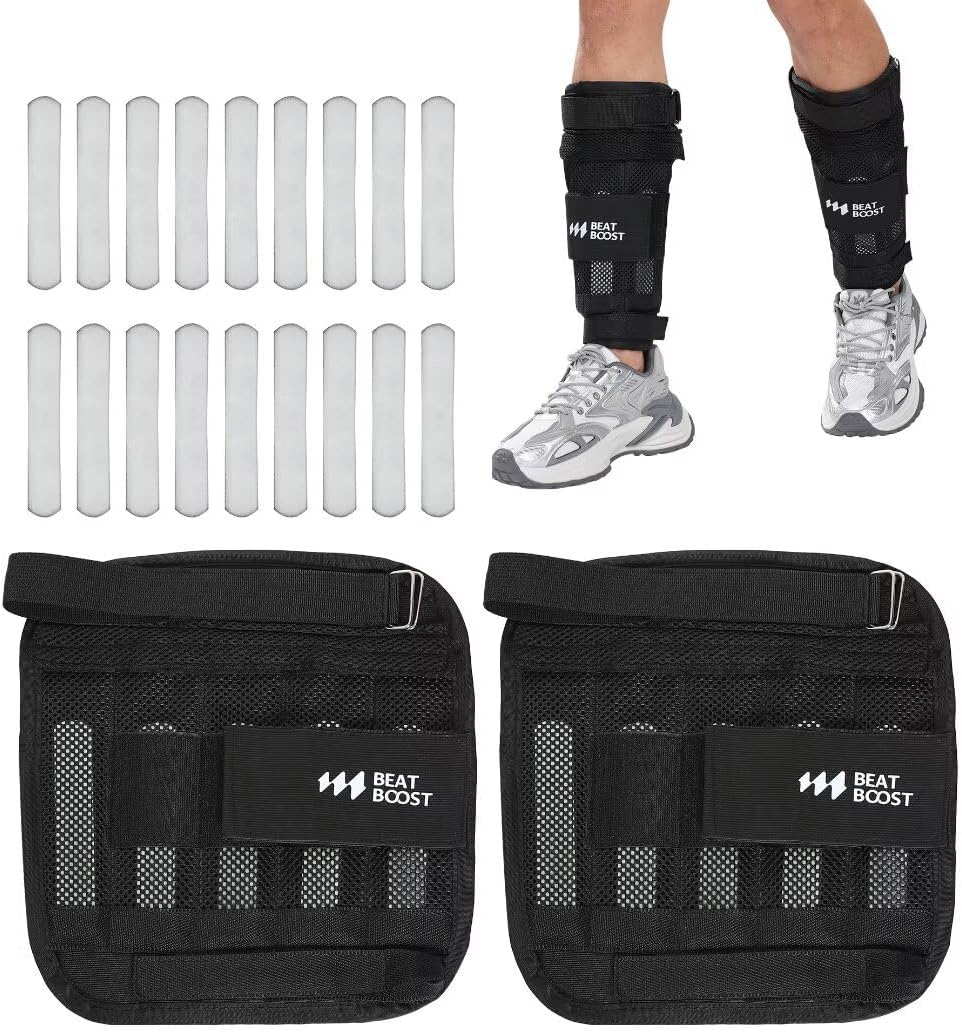
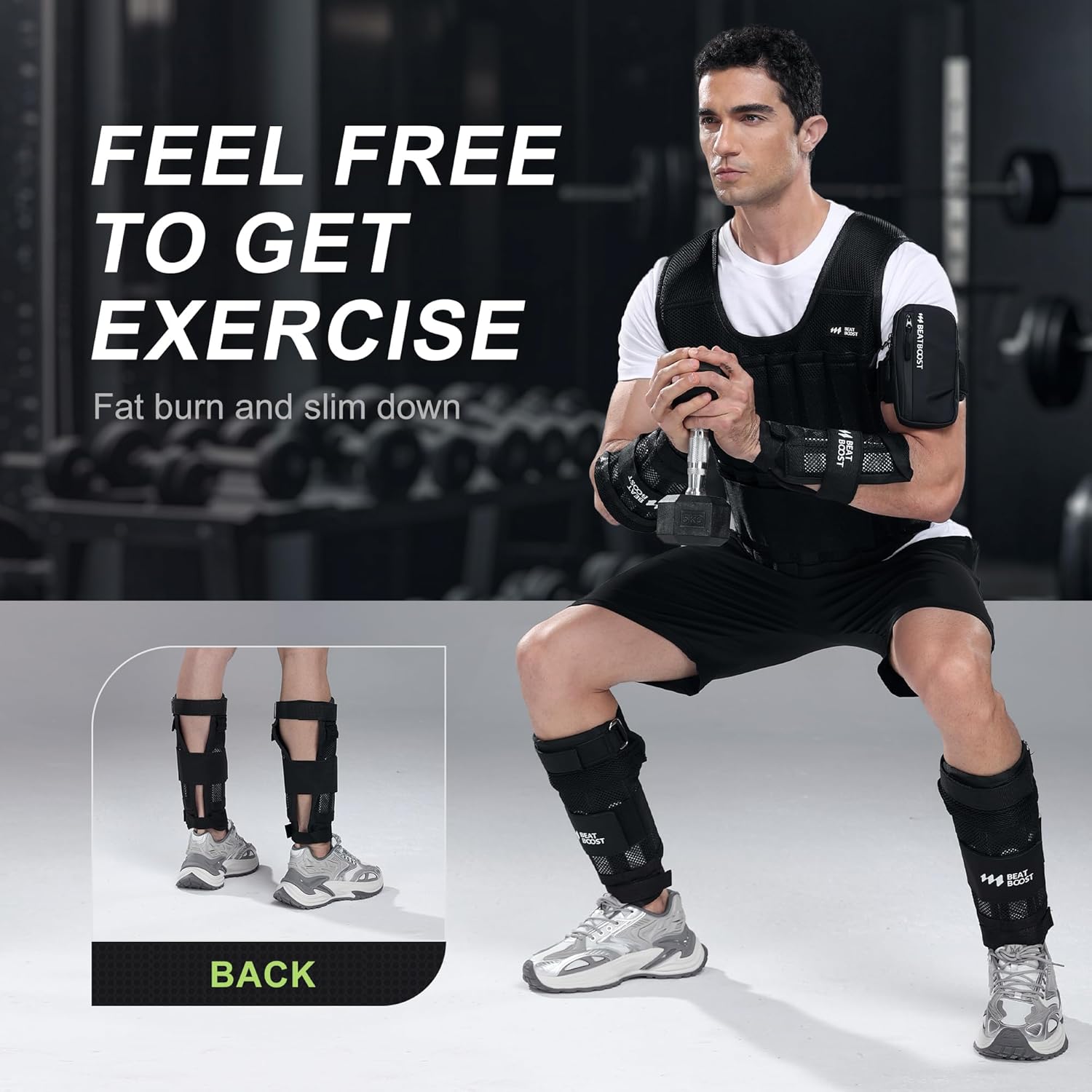
20 lb total starting capacity — includes a full set of steel plates. That's enough to take you from your first week of walking all the way to advanced bodyweight circuits, without needing to buy extra weight packs.
-
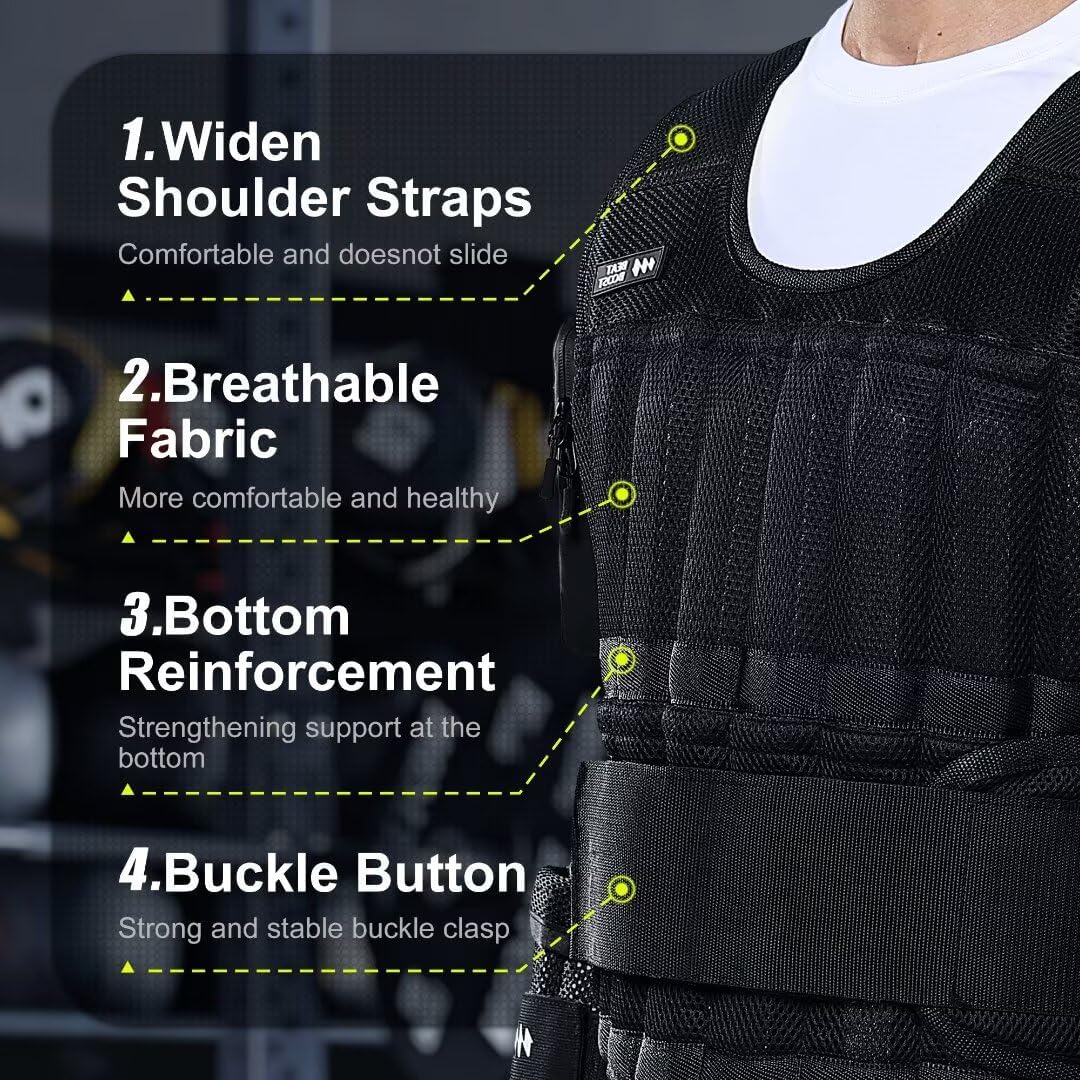
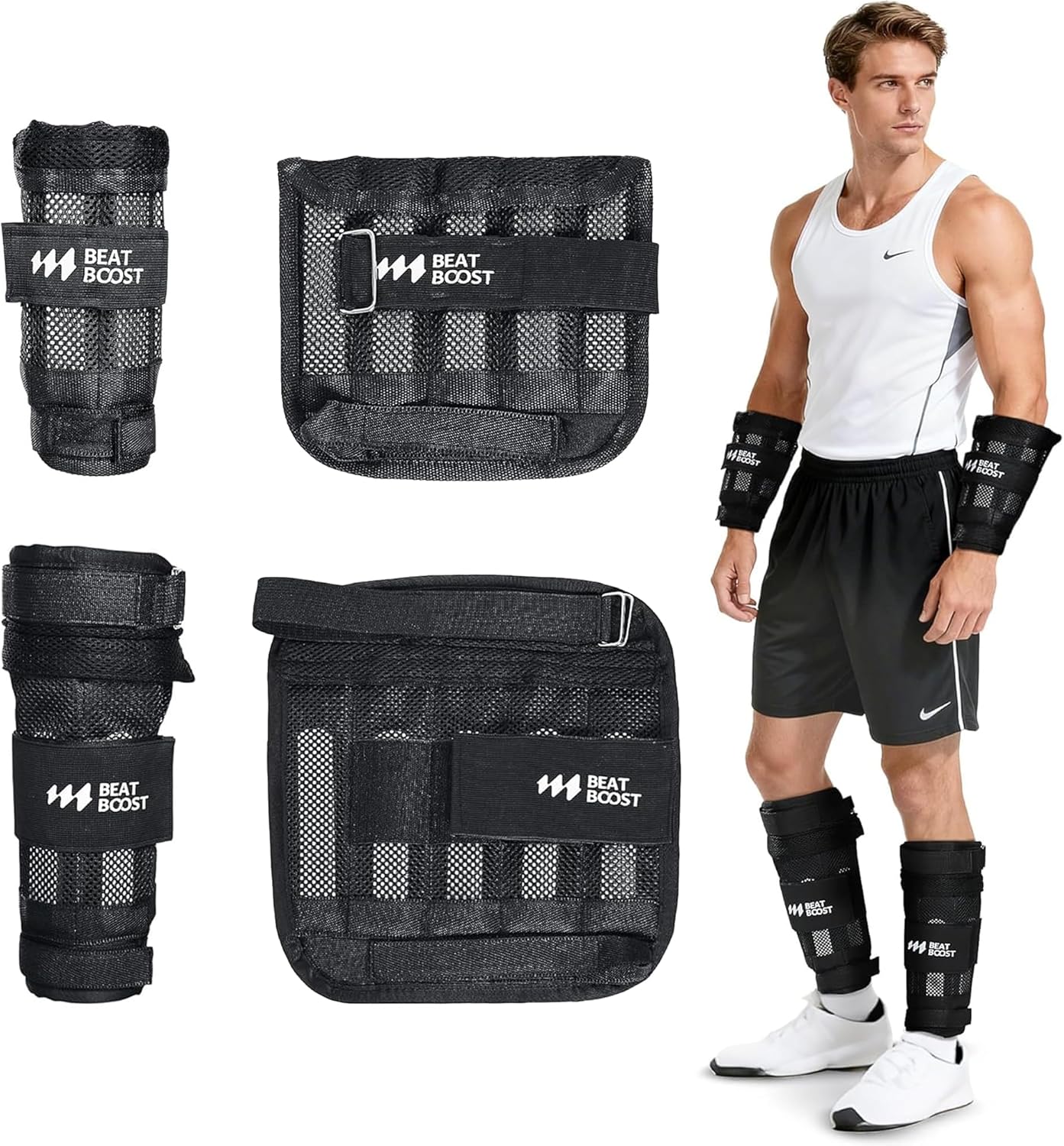
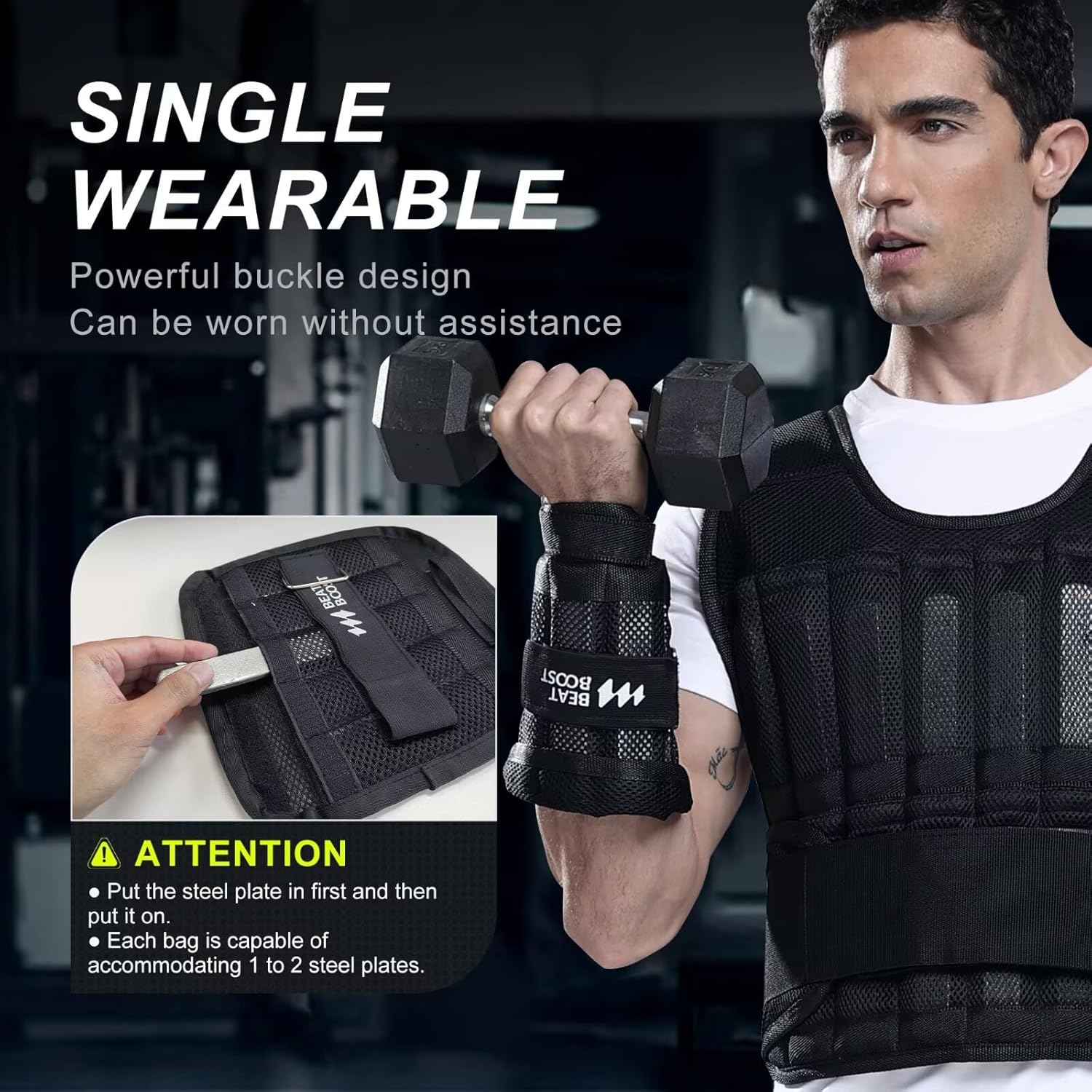
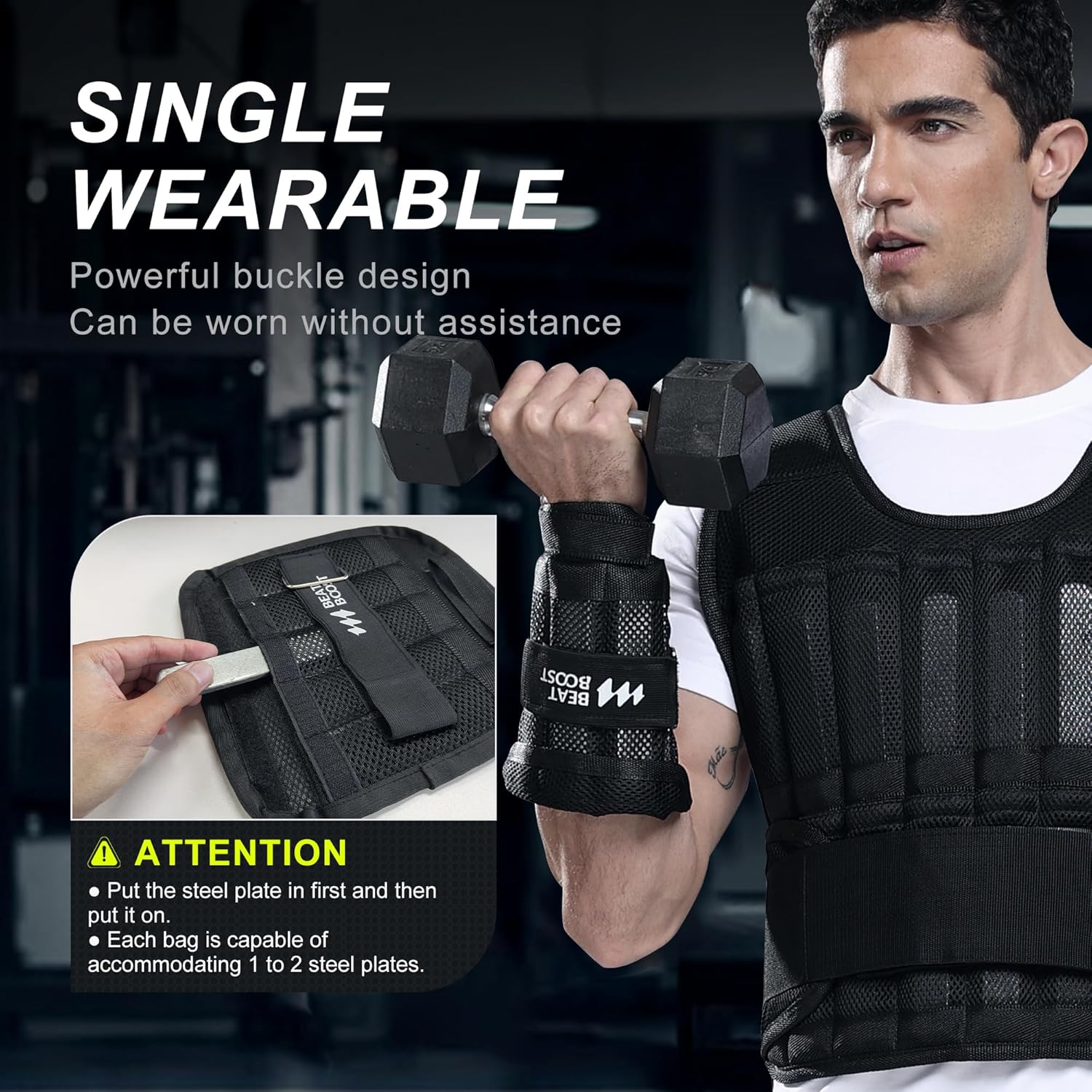
Modular steel plate system — each plate is slim, dense, and stackable. Unlike sand‑filled vests that bulge and shift with every step, steel plates stay flat against your body. You'll feel the resistance without feeling like you're wearing a lumpy beanbag.
-
Non‑slip material — crafted with premium non‑slip fabric that stays put during intense workouts, so you can focus on your movement instead of adjusting your gear.
-
Upgraded elastic straps — fully adjustable for a secure, customized fit. Soft enough for all‑day wear, whether you're at your standing desk or walking to the train.
-
Reflective safety strips — stay visible during early morning commutes or evening walks.
-
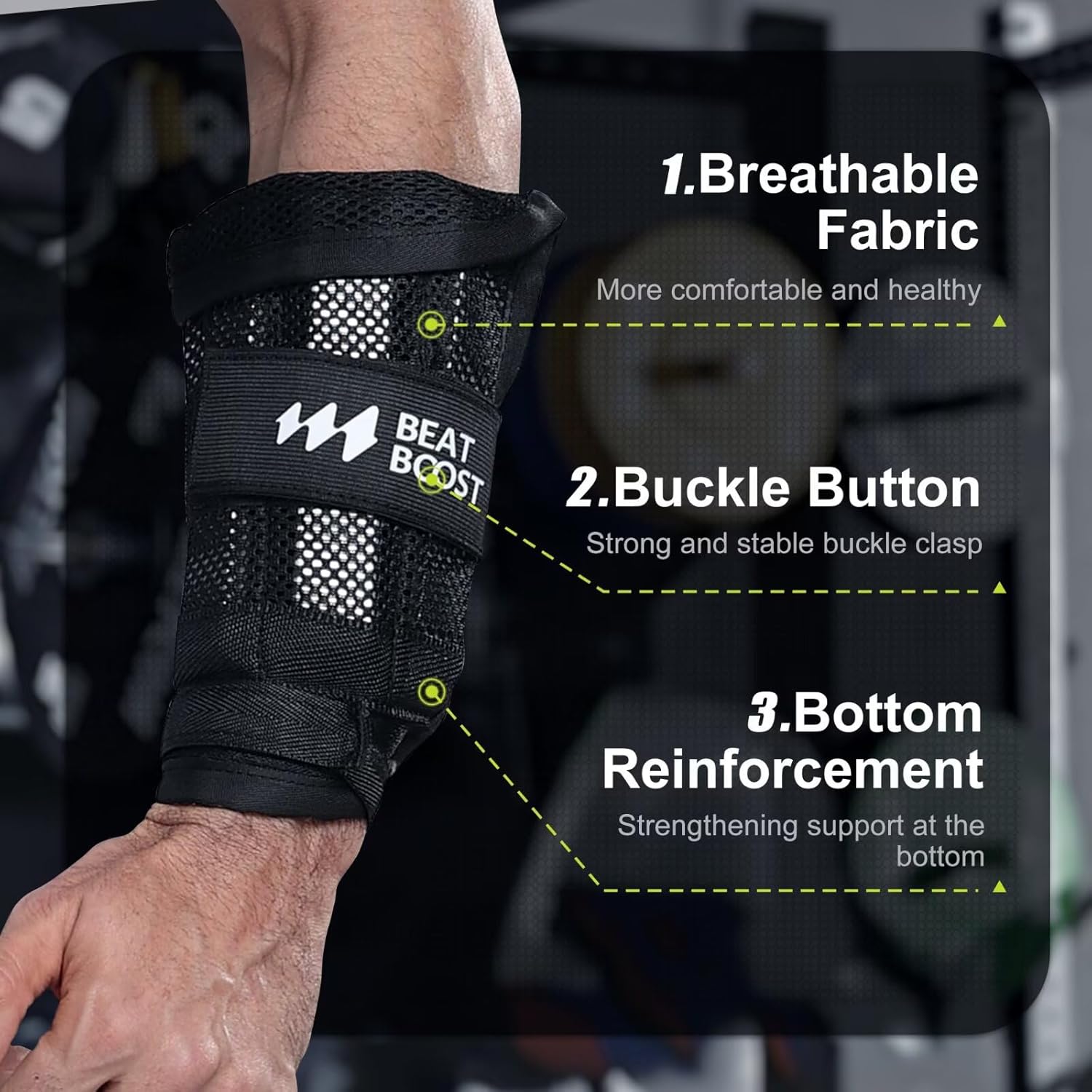
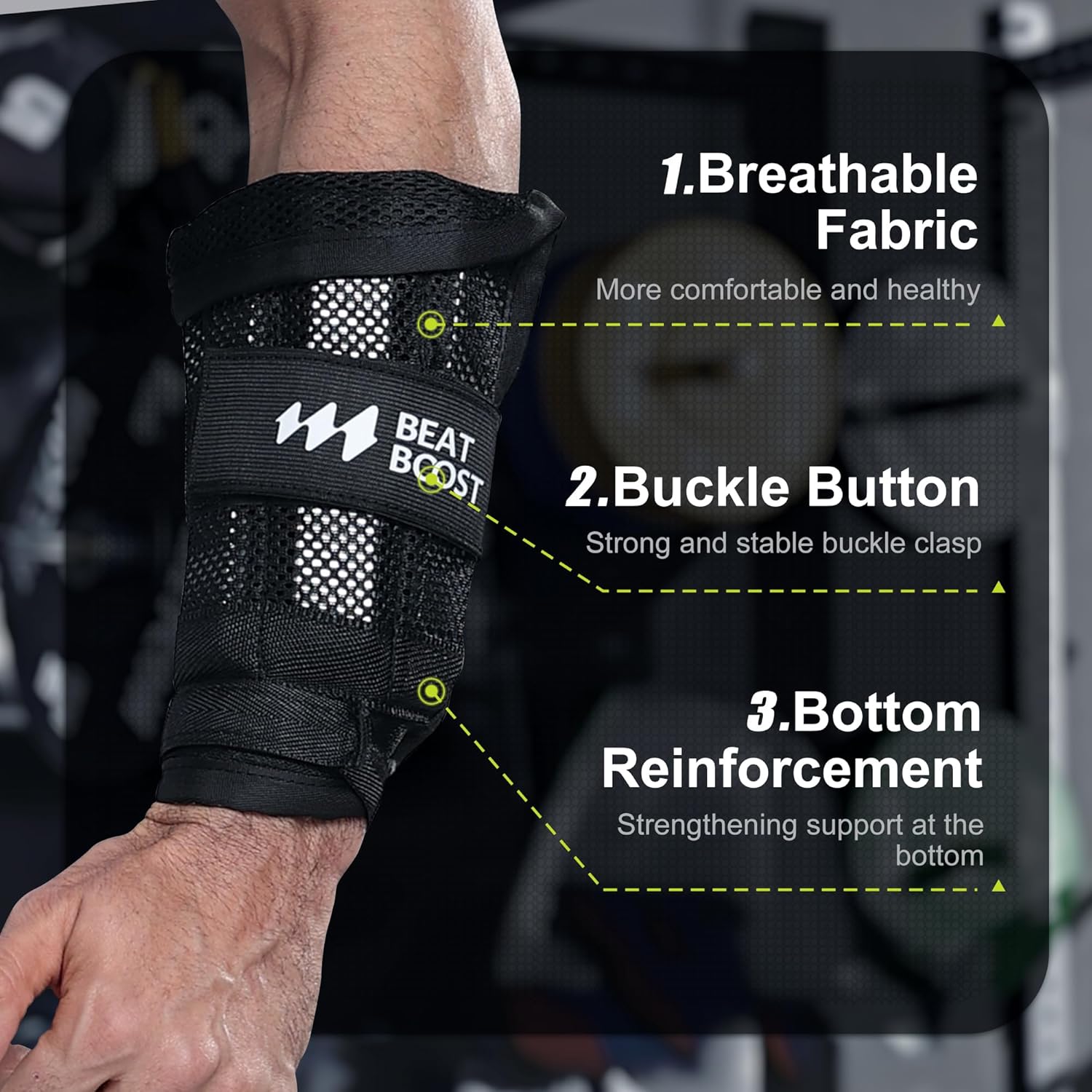
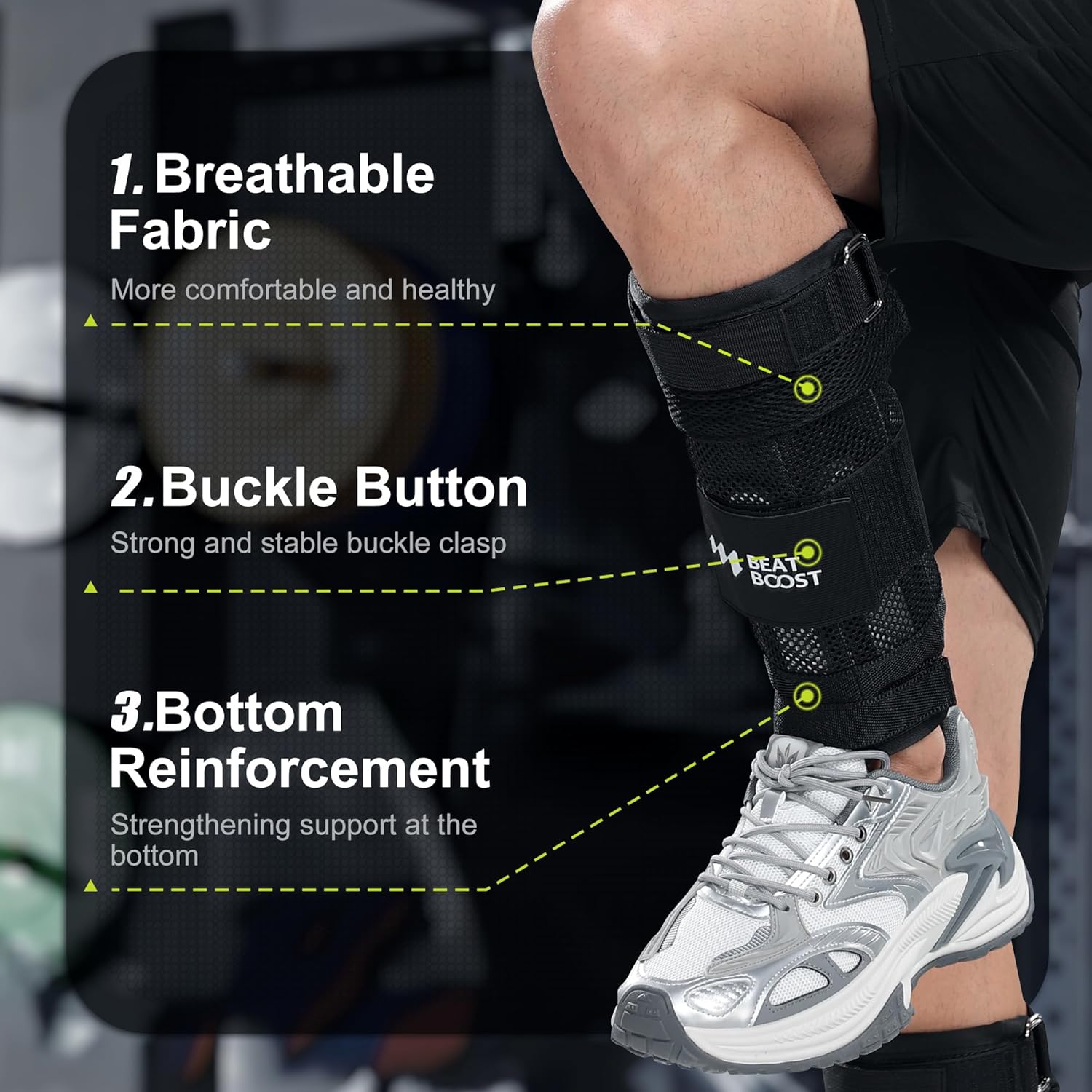
Comfort‑fit fabric — soft, breathable, and stretchy, moving with you whether you're training or just living your day.
-
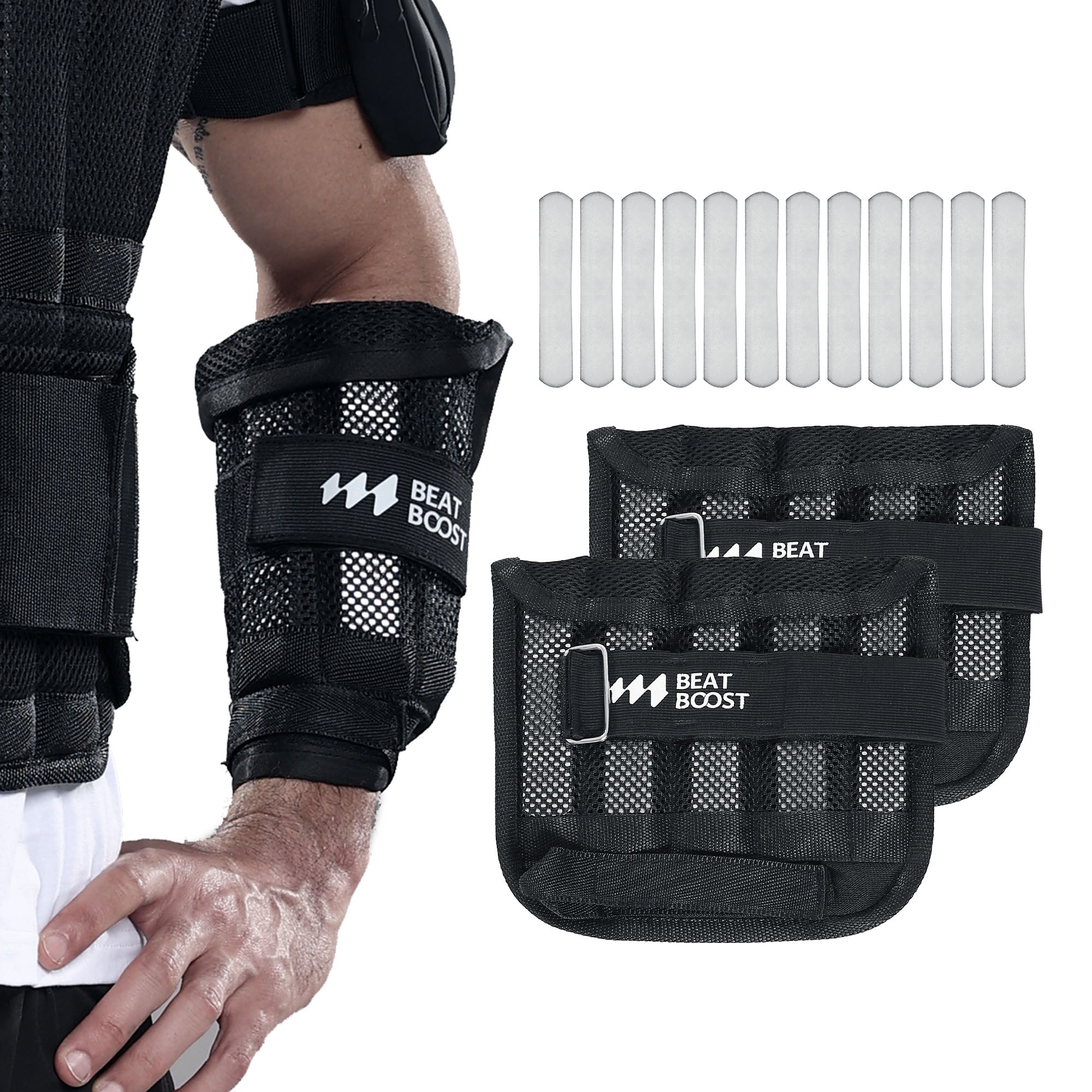
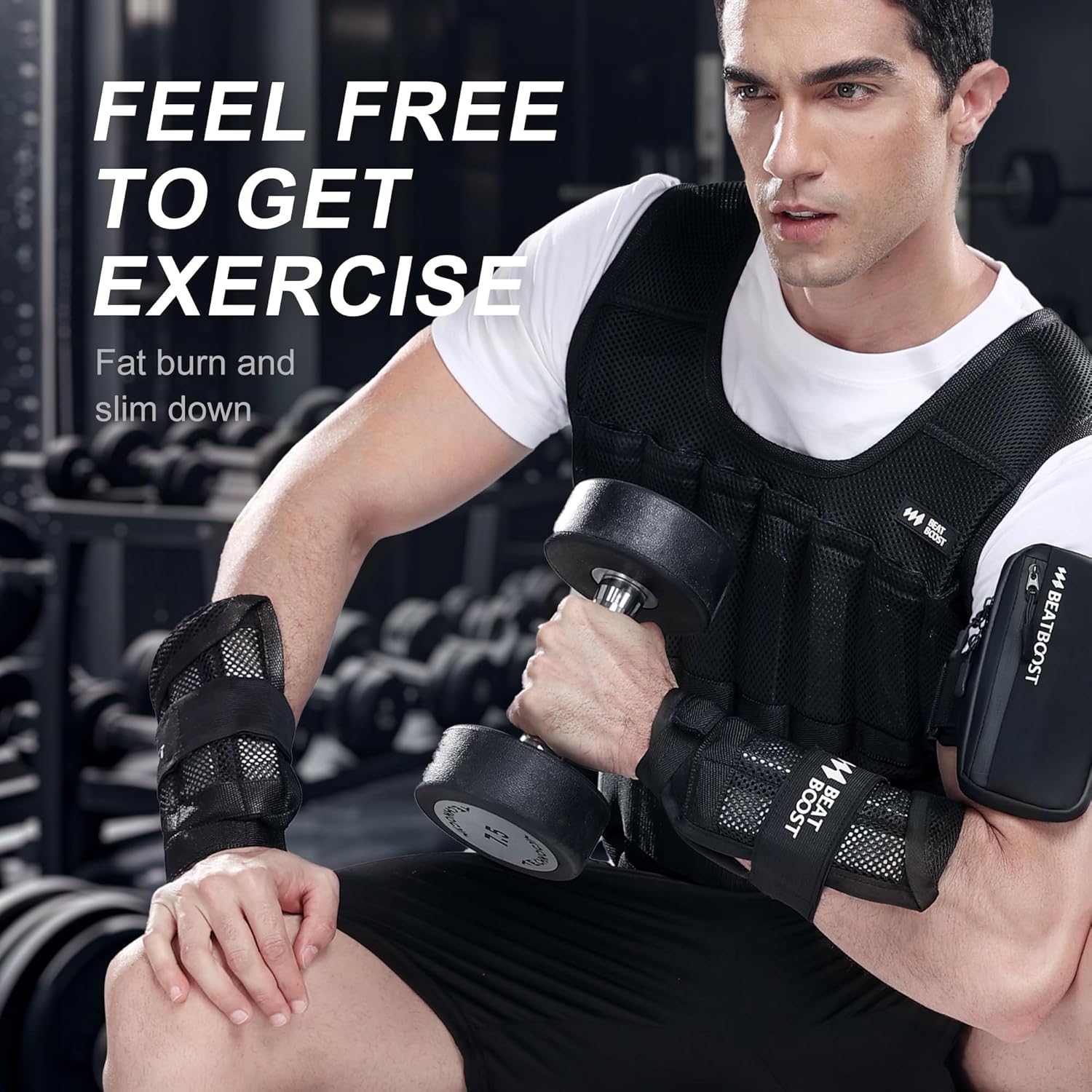
Free gifts included — each vest comes with a waterproof arm pouch (for your phone or keys), a quick‑dry towel, and steel plate shoulder pads for extra cushioning.
Ready to start your flow? Shop BeatBoost Adjustable Weighted Vest — 20 lb Steel Plate Set
A Real Week, Not A Theory
Here's what this actually looks like for a programmer named Alex, 31.
-
Monday: 4 lb vest on morning walk to train (0.8 miles). Stairs between platforms. 4 lb vest under hoodie during stand‑up. Evening: 15‑minute circuit (push‑ups, squats, lunges) with 6 lb vest.
-
Tuesday: Same commute routine. No evening training. Add peanut butter to afternoon snack.
-
Wednesday: 6 lb vest on commute. Evening: stair repeats at apartment building (10 flights, 3 times) with 10 lb vest.
-
Thursday: Rest day. No vest. Eat normally.
-
Friday: 6 lb vest on commute. 15‑minute circuit with 8 lb vest after work.
-
Weekend: Grocery run with 8 lb vest under jacket. 20 minutes of incline walking on treadmill with 10 lb vest (if gym). Or simply a 45‑minute hilly walk outside.
After 6 weeks of this, Alex added 4 lbs of lean mass. His shoulders looked broader. His resting posture improved. And he never once felt like he was "training."
The Breakthrough For Skinny Guys
You don't need to eat until you're sick. You don't need to deadlift twice your bodyweight. And you definitely don't need to spend 10 hours a week in a gym you hate.
The breakthrough idea is simple: load your everyday movement.
Put a few pounds on your frame during the 10,000 steps you already take. Add a vest while you climb the stairs you already climb. Do 15 minutes of bodyweight circuits while your code compiles or your game loads.
That small, consistent load — applied daily — is the metabolic signal your naturally lean body needs to start storing muscle instead of burning everything you eat.
Fuel your flow. One small pound at a time.
Ready to build muscle without the gym anxiety? Shop BeatBoost Adjustable Weighted Gear
References (optional):
-
Harvard Health. (2025). What are the benefits of walking with a weighted vest?
-
American College of Sports Medicine. (2026). Worldwide Survey of Fitness Trends.
-
Meta‑analysis on stair climbing and cardiovascular mortality. Atherosclerosis, 2024.
-
Androulakis‑Korakakis, P., et al. (2020). Minimum effective training dose for hypertrophy.
-
FAU Research. (2025). Less is more: To build muscle and gain strength, train smarter – not longer.
-
Health.com. (2025). What does it mean to have an ectomorph body type?
-
Ruksak. (2025). Choosing the Right Weighted Vest Filling (and Why to Avoid Granular Iron Sand).
Share:
Adjustable vs Fixed Weight Weighted Vest: Which One Should You Choose?
The Vest That Grows With You – The BeatBoost Story