

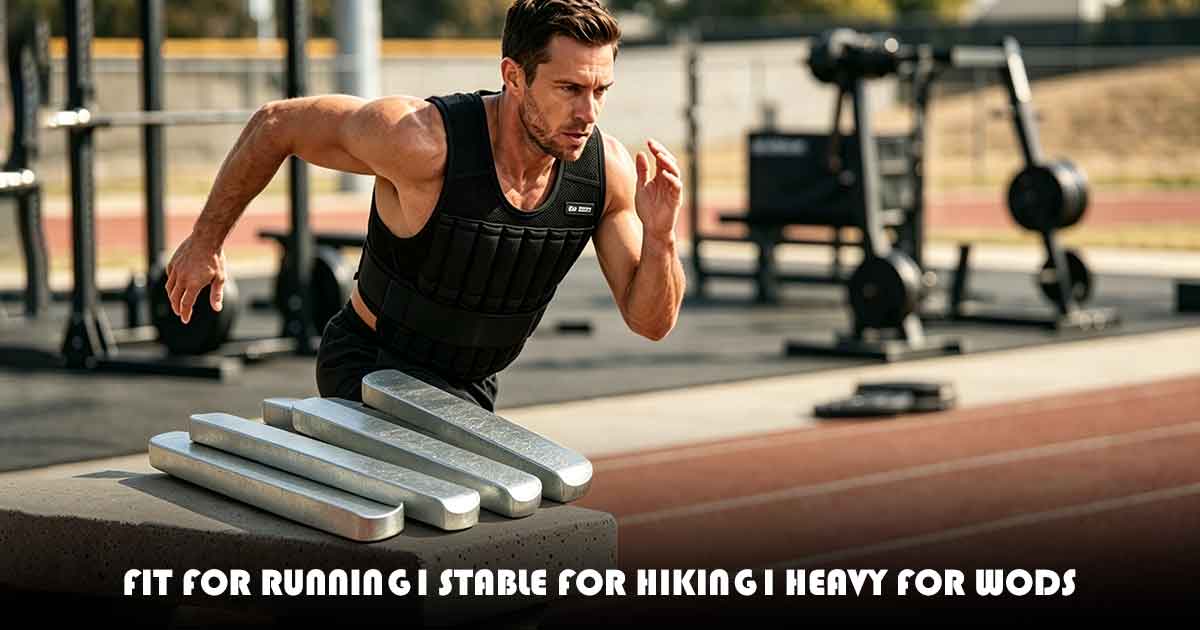
Why Train with a Weighted Vest?
Whether you are looking to shave seconds off your mile time, build explosive stamina, or increase calorie burn during everyday walks, adding a weighted vest to your routine is one of the most effective fitness upgrades you can make.
By applying progressive overload directly to your core, a vest forces your cardiovascular system and muscles to work harder without changing your natural motion. However, choosing the wrong vest can lead to chafing, awkward bouncing, or even injury.
Here is your complete guide on how to choose the best weighted vest for your goals.
Step 1: Match the Weight to Your Fitness Goals
When selecting an adjustable weight vest, more weight isn't always better. The key is matching the weight range—from 20lb to 60lb—to your primary movement type.
20lb Vest: Best for Running and High-Intensity Cardio
-
Primary Use: Road running, trail running, speed drills, and bodyweight HIIT.
-
Why it works: Running subjects your joints to vertical impact forces. A 20lb adjustable weighted vest adds enough resistance to elevate your heart rate and build explosive leg power without altering your running mechanics.
30lb to 40lb Vest: Ideal for Rucking, Hiking, and Cross-Training
-
Primary Use: Rucking, steep hill walking, and Functional Fitness / WODs (like Murph).
-
Why it works: This mid-range weight challenges core stability and upper-body posture, making it the sweet spot for strength-endurance workouts.
50lb to 60lb Vest: Built for Heavy Strength & Calisthenics
-
Primary Use: Weighted pull-ups, dips, push-ups, and heavy squats.
-
Why it works: When progressive overload with bodyweight exercises peaks, a 60lb weighted vest replaces heavy dumbbells or barbells, keeping your resistance training versatile and portable.
Step 2: Key Features You Can’t Ignore
1. Steel Plates vs. Sand Weight
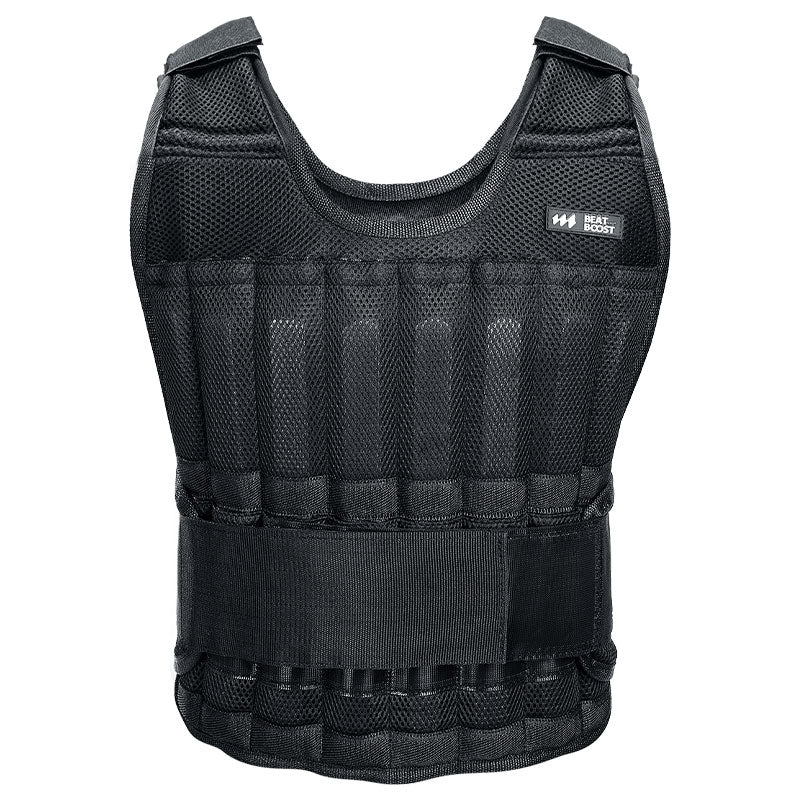
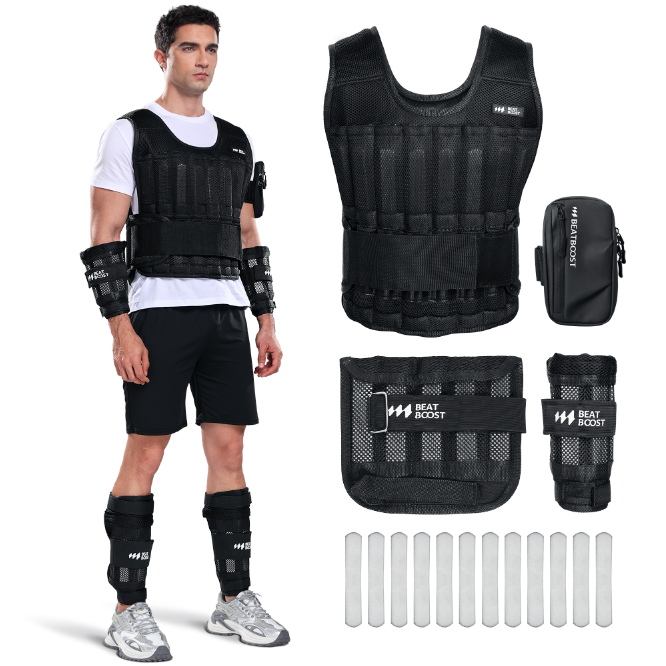
Traditional sand-filled weight vests are bulky and tend to shift when you move. High-performance models use compact steel plates that fit snugly against your torso, eliminating uncomfortable bounce during high-impact activities.
2. Snug Fit and Ergonomic Straps
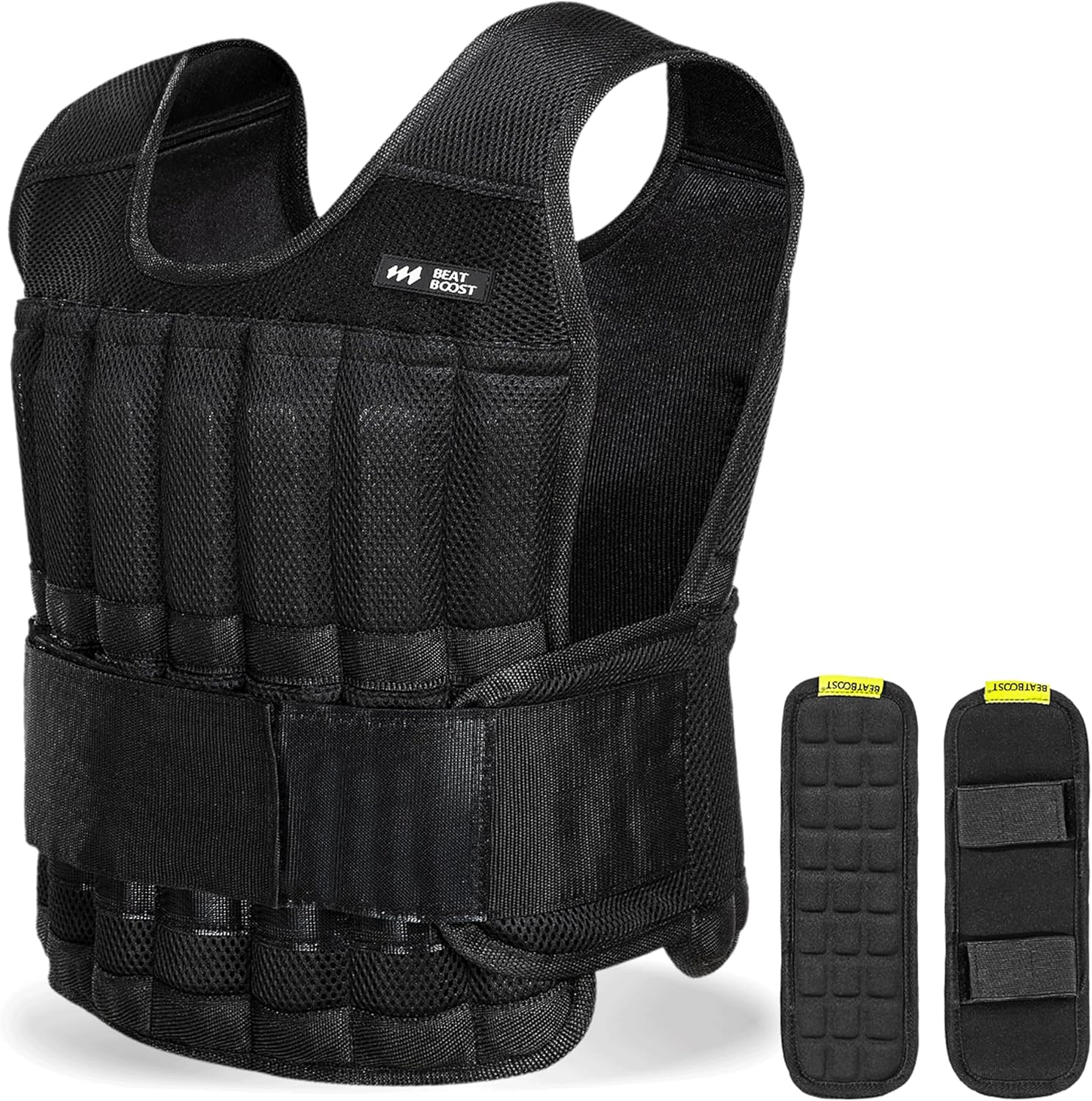
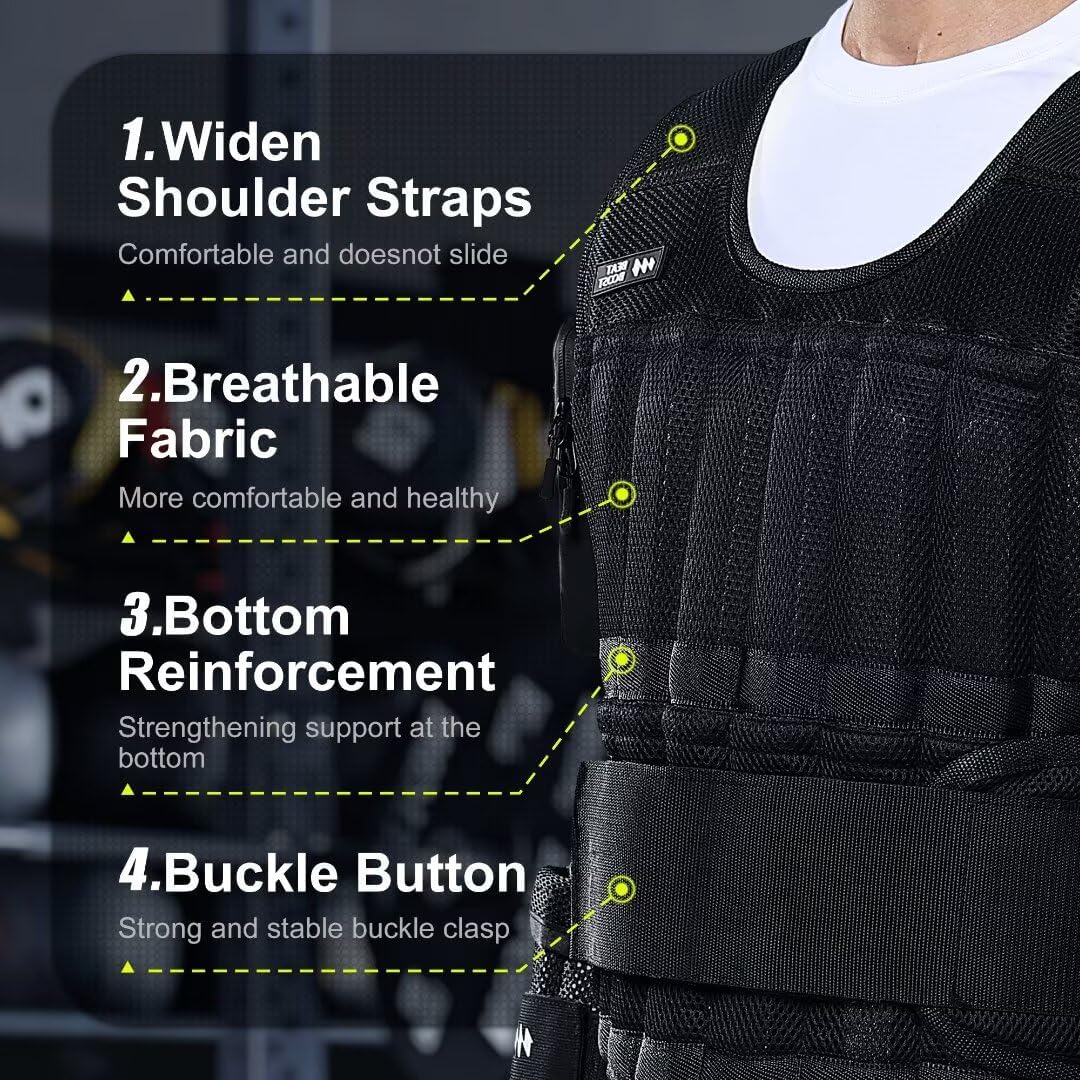
Look for fully adjustable side straps and padded shoulder straps. A secure fit ensures the weight stays evenly distributed across your shoulders and upper back rather than pulling on your lower spine.
Final Verdict: One Vest for Every Stage
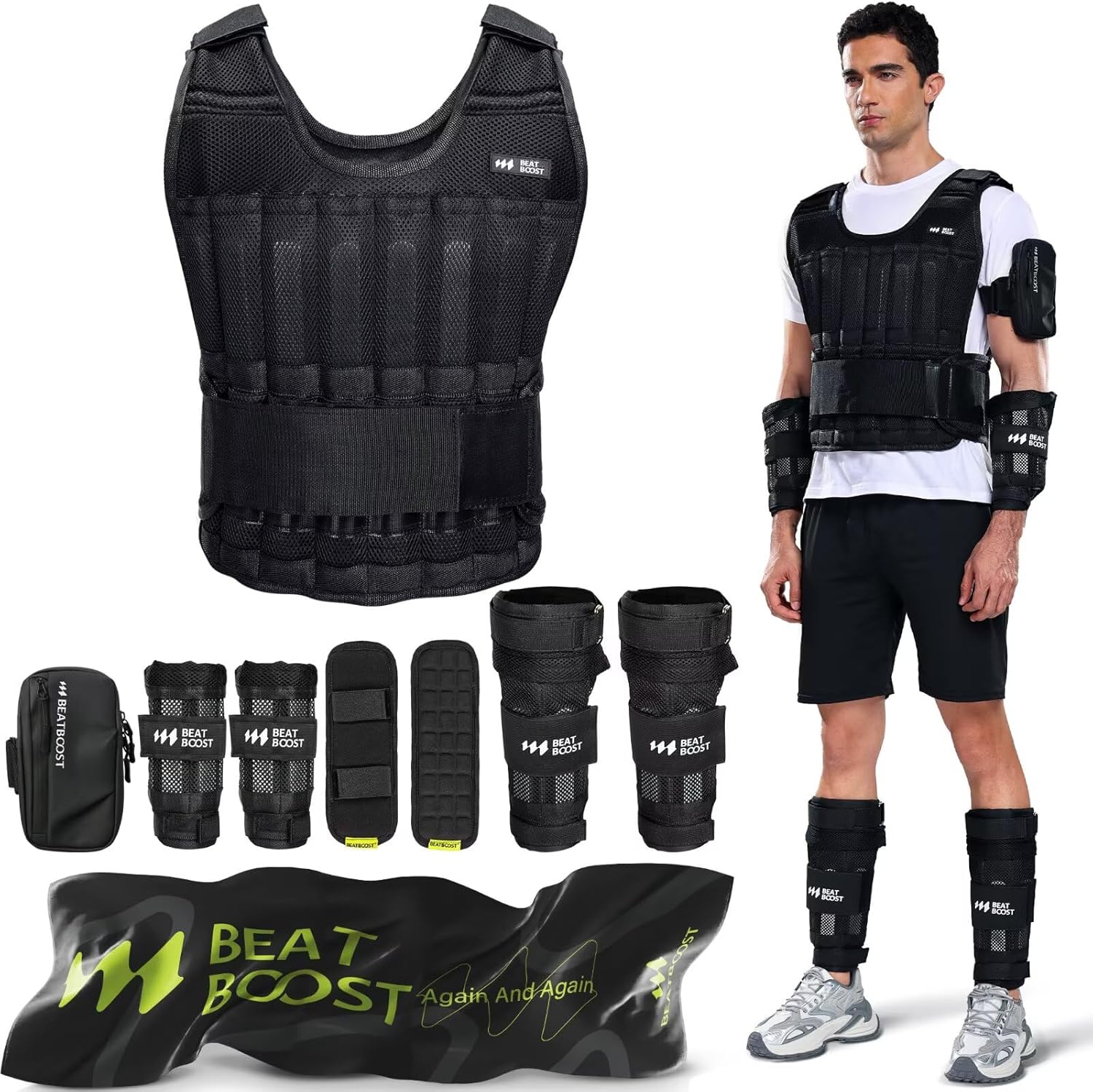
If you are just starting out or want maximum versatility, choose an adjustable steel plate weighted vest. Being able to adjust weight increments lets you run with 20lb on Tuesday, ruck with 40lb on Thursday, and tackle heavy calisthenics with 60lb on Saturday—all with a single piece of gear.
Share:
Shaving Seconds Off Your WOD: Why Modern Training Vests Dropped the Tiny Steel Plates
August Drop: Next-Gen Wearable Resistance for Sculpting and Strength