

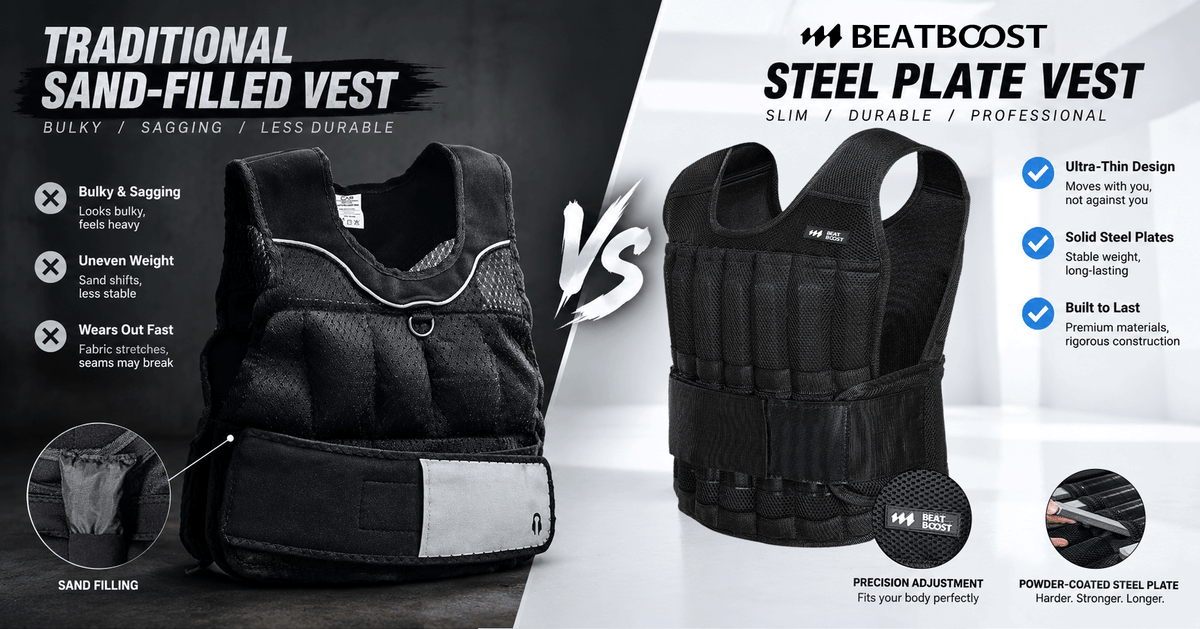
When shopping for wearable weights, price differences can leave you wondering: Is a premium steel plate weighted vest actually worth the extra money, or should I just buy a cheap sandbag vest?
To answer this, we put both designs through a 1-year wear-and-tear test covering running, calisthenics, and daily walking.
Steel vs. Sand: The 4-Point Breakdown
1. Durability & Leaking
-
Sand Vests: Use fabric pouches filled with iron sand. Over time, friction during running creates micro-tears, causing sand to leak all over your clothes and gym bag.
-
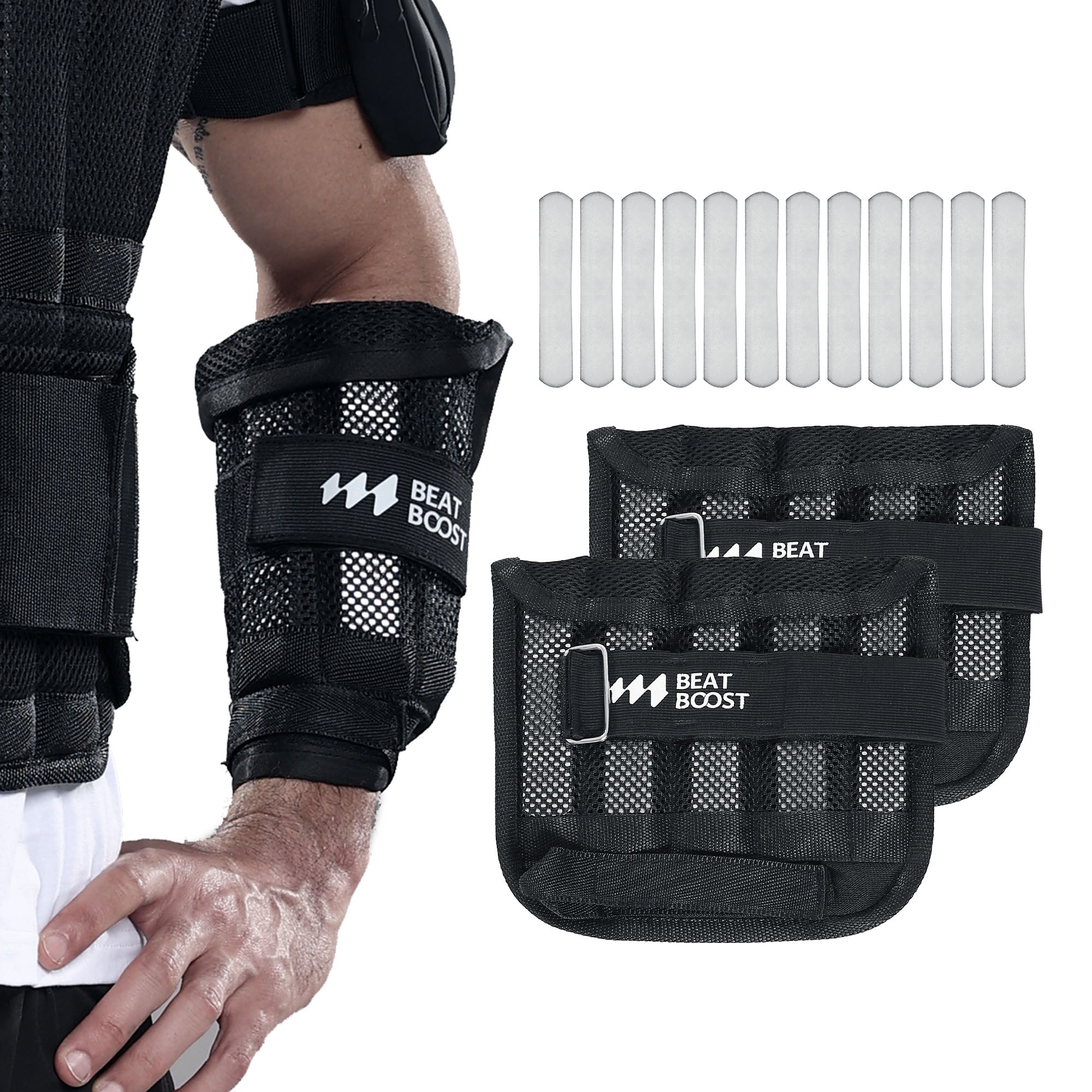
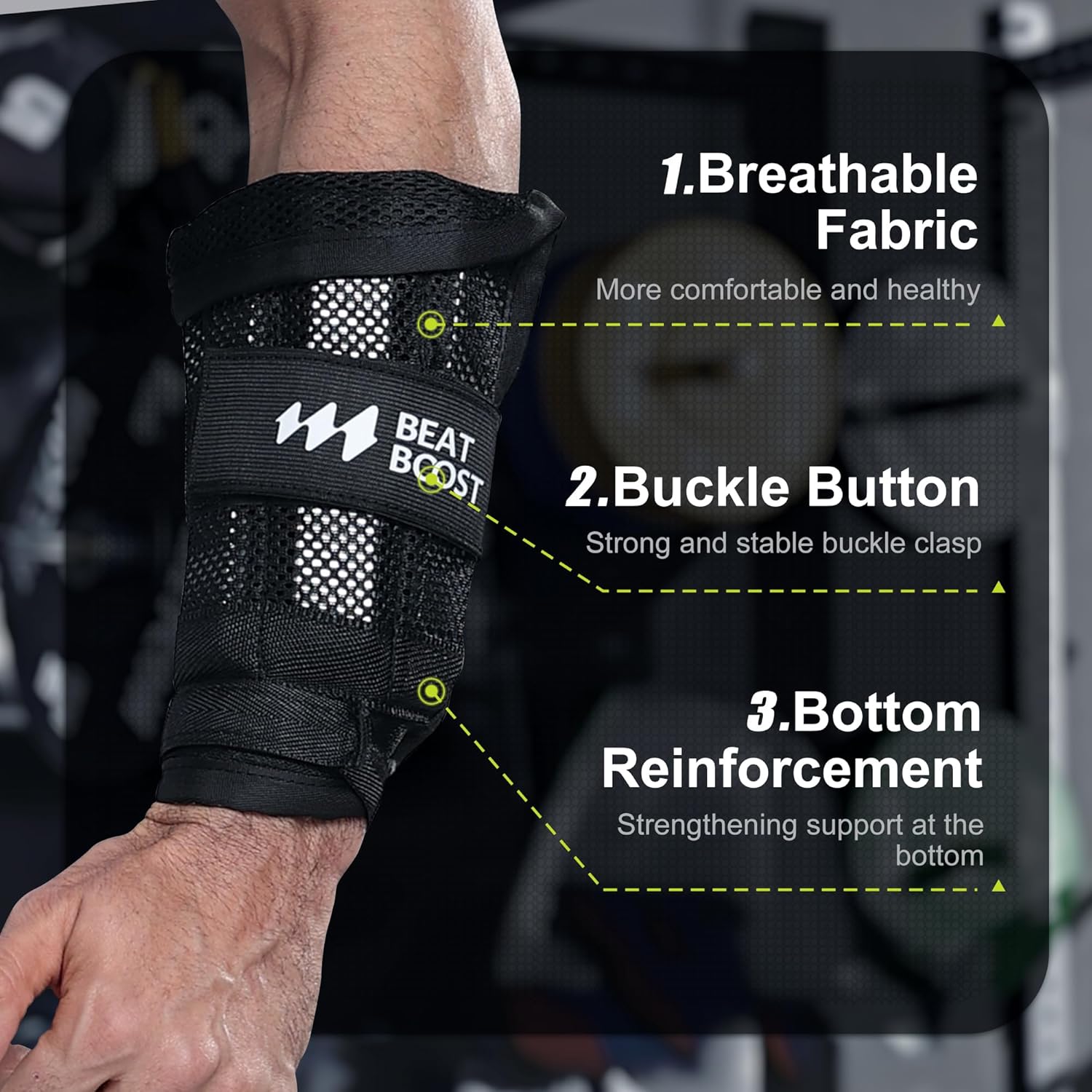
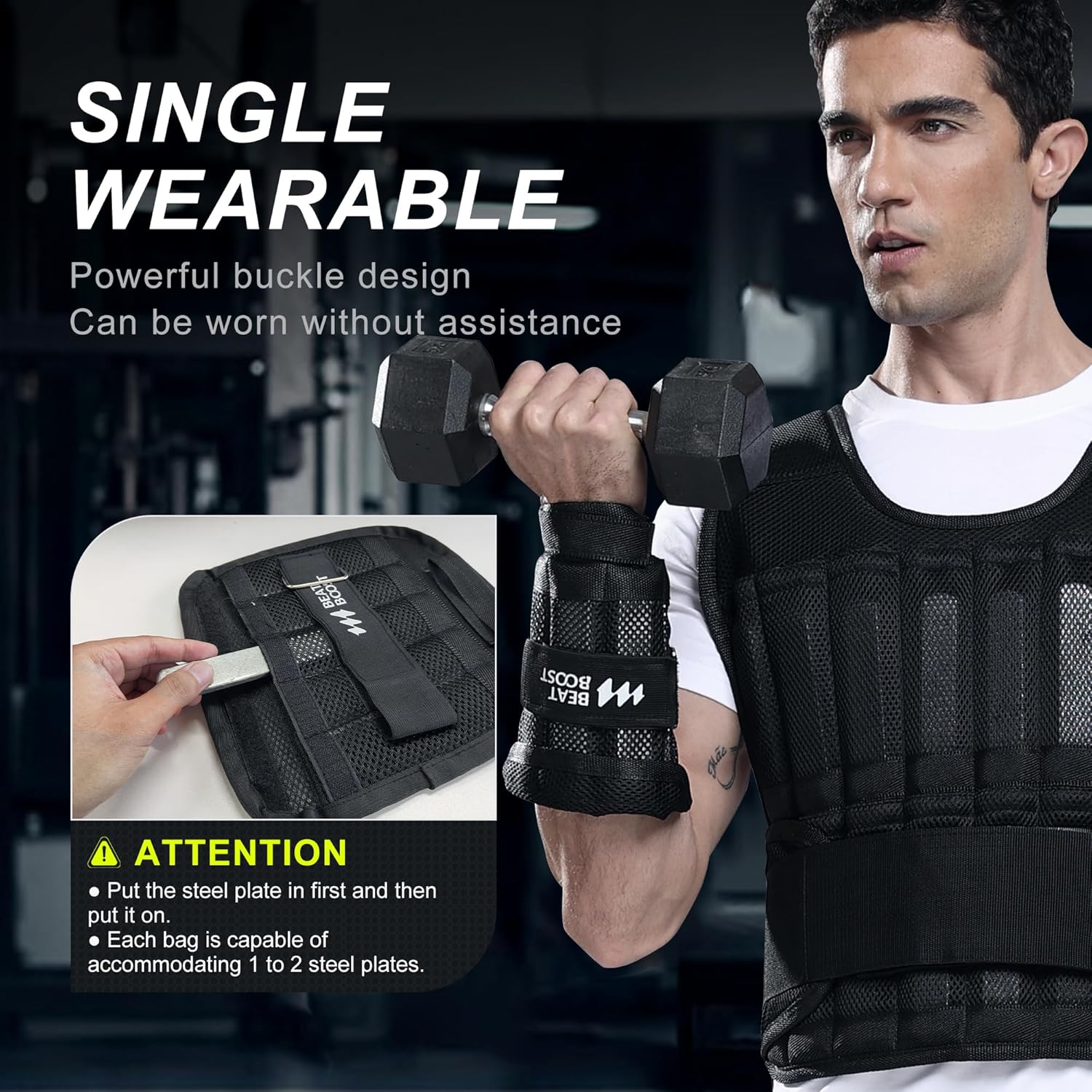
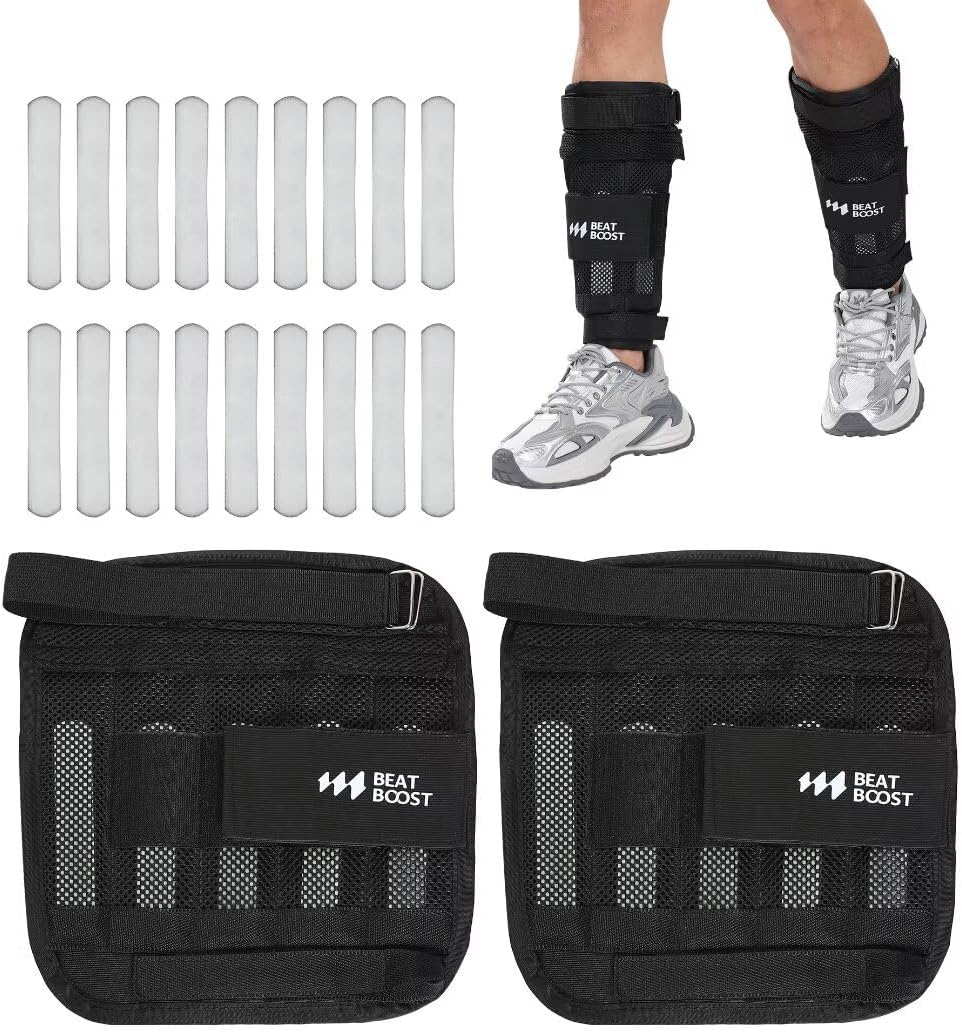
Steel Plates: Solid, powder-coated steel plates never leak, bend, or degrade. They are virtually indestructible.
2. Bounce & Profile
-
Sand Vests: Bulky pouches stick out 3–4 inches from your chest, causing excessive bouncing during push-ups or speed work.
-
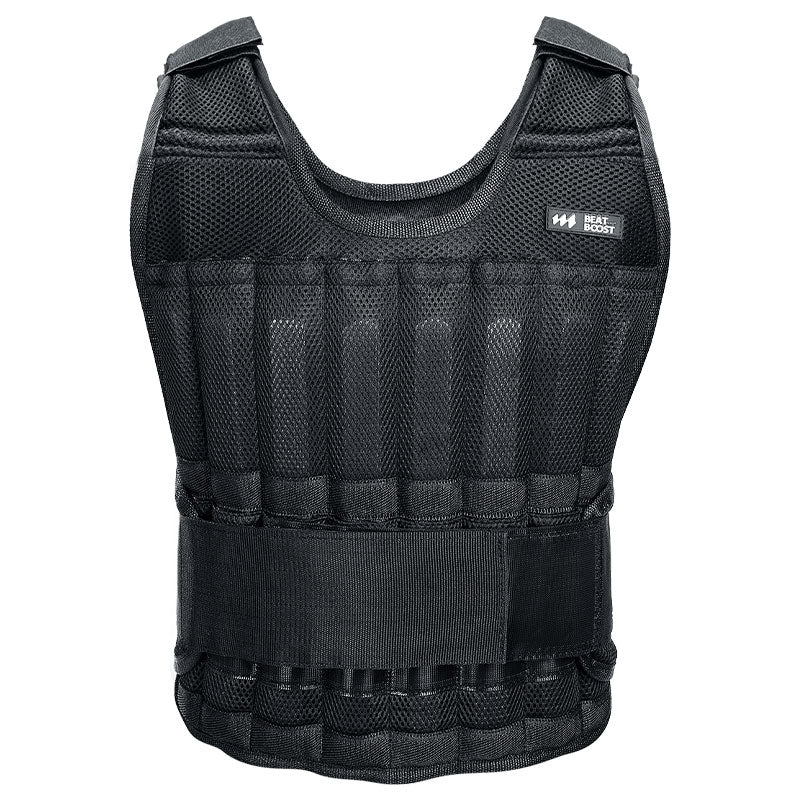
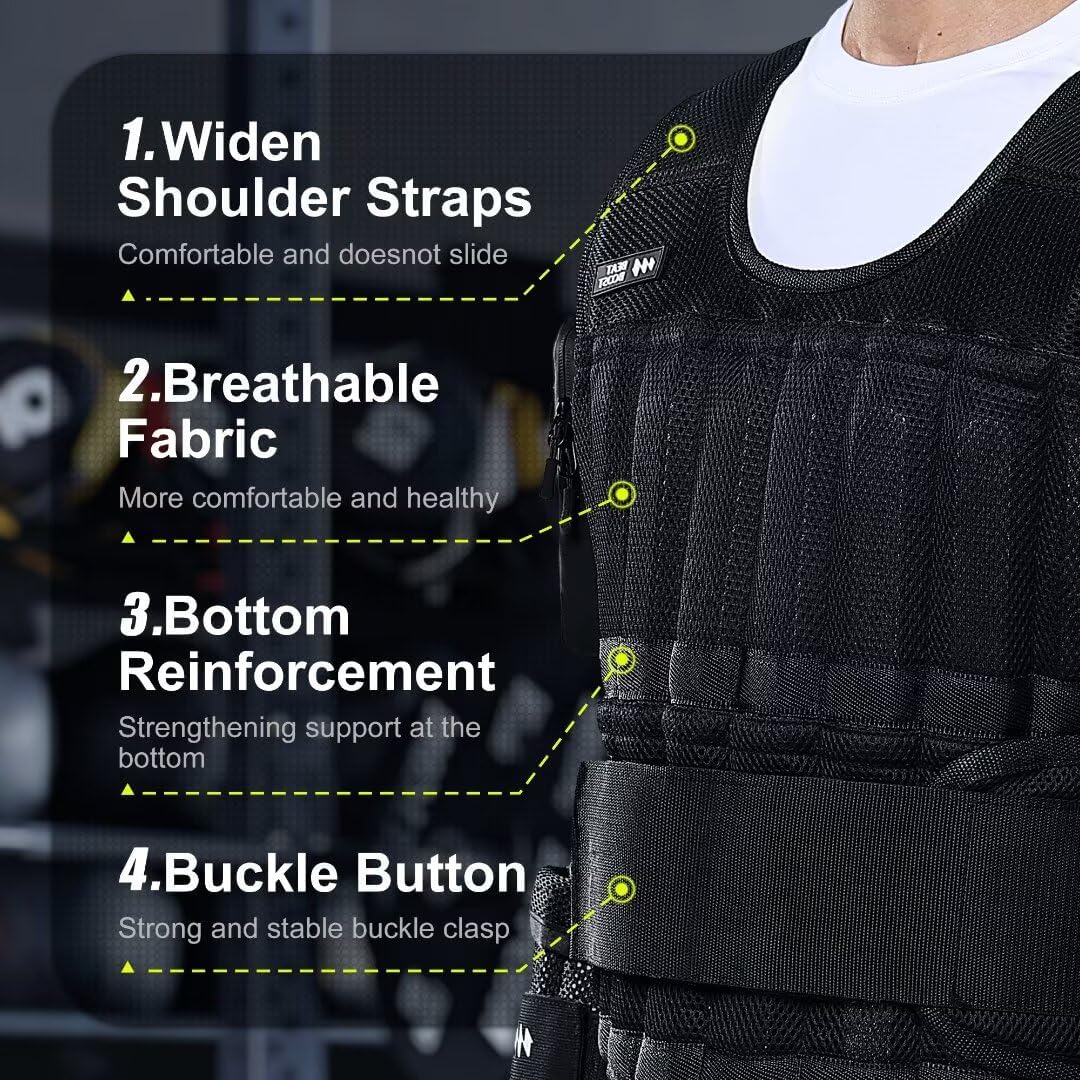
Steel Plates: Flat, ergonomic plates keep the vest flush against your body, delivering zero-bounce movement.
| Feature | Sandbag Vest | Steel Plate Vest |
| Profile | Bulky & Protruding | Slim & Ergonomic |
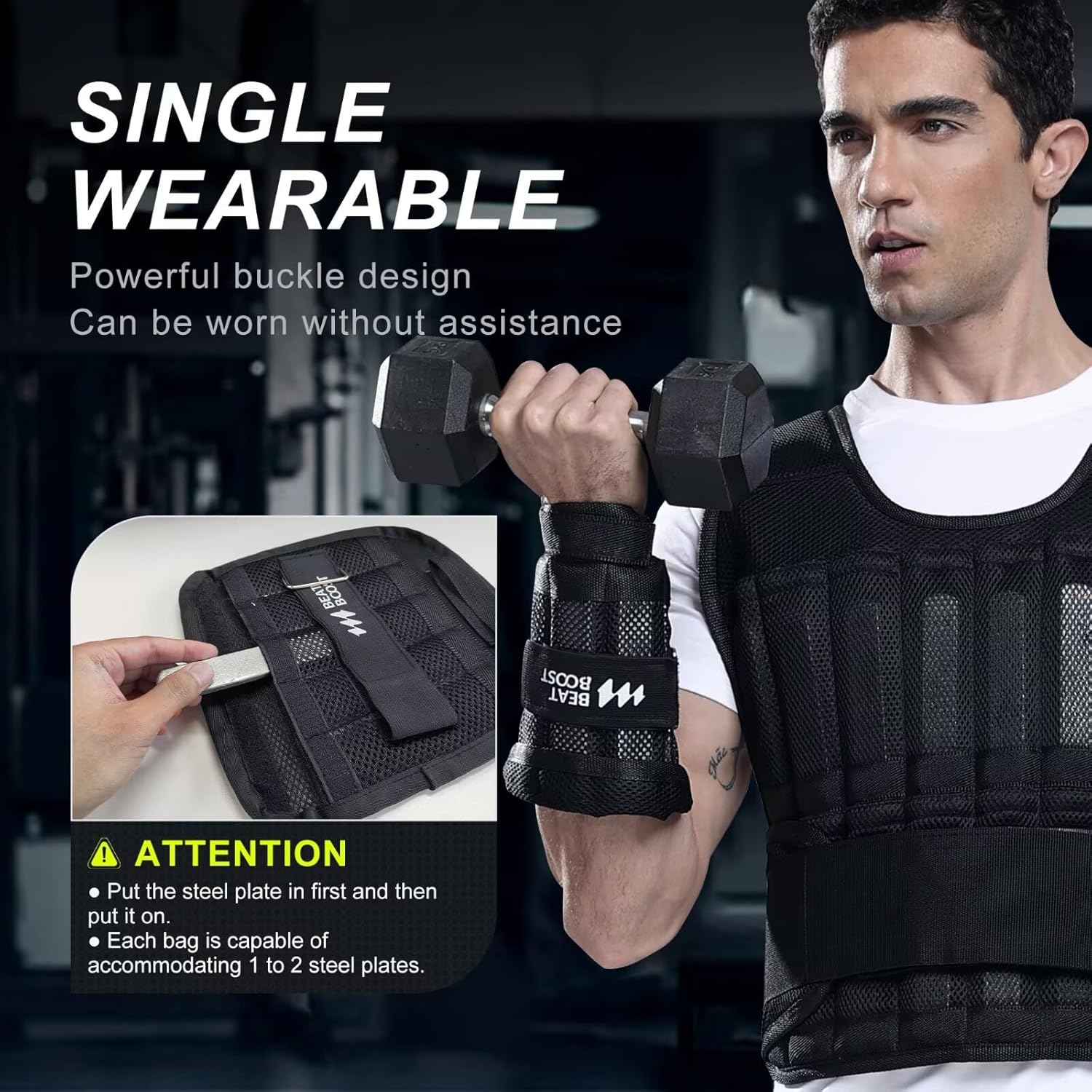
| Weight Adjustment | Messy Pouches | Quick-Slide Plates |
| Lifespan | 6–12 Months | Lifetime |
The Verdict: Is It Worth the Price?
If you train consistently, a steel plate adjustable vest pays for itself in longevity and comfort. You avoid buying replacement vests every year while enjoying a slim, secure fit that doesn't interfere with your range of motion.
Share:
Over 200 lbs? Here is Exactly How Much Vest Resistance You Need