

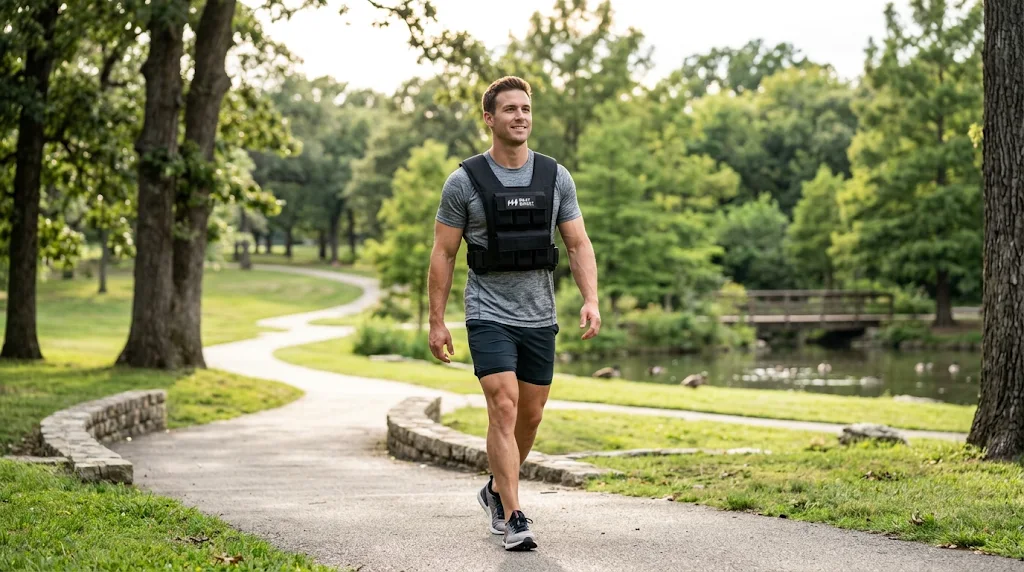
Carrying extra weight during daily walks, rucking, or calisthenics is one of the most effective ways to supercharge your calorie burn and build functional strength. But if you weigh over 200 lbs, standard fitness advice can actually lead to injury.
Generic guides often throw out random numbers, leaving heavy and tall individuals wondering if a 10lb vest is too light or if a 50lb vest will wreck their lower back.
If you are stepping up your fitness journey and want to know how to train safely without putting undue stress on your joints, this guide breaks down the exact resistance math, posture rules, and gear setup you need.
1. The Golden Rule: The 10%–15% Bodyweight Threshold
The biggest mistake heavy individuals make is guessing their starting weight based on what bodybuilders use online. When you already carry a higher baseline body mass, your skeletal system and joints (especially your knees and lower back) are already supporting a significant load.
-
The Safe Formula: Your total vest weight should generally not exceed 10% to 15% of your total body weight when starting out.
-
Example: If you weigh 220 lbs, your starting sweet spot is a 20lb to 25lb weighted vest. If you weigh 260 to 300 lbs, start with 20lbs to 30lbs to allow your core stabilizers and connective tissues time to adapt.
Jumping straight into a 50lb+ tactical vest without conditioning your posterior chain is a fast track to knee flare-ups or lower back strain. Build your foundation first.
2. Why Fit and Full-Torso Coverage Matter for Big & Tall Frames
Standard, one-size-fits-all vests often fail individuals with broader shoulders or a larger torso. When a vest is poorly fitted, it creates two major issues:
-
Bouncing and Friction: If the weights shift or bounce with every step, it throws off your center of gravity and causes painful chafing.
-
Uneven Pressure Points: Narrow shoulder straps concentrate heavy loads onto a small surface area, pinching nerves and cutting off comfortable breathing.
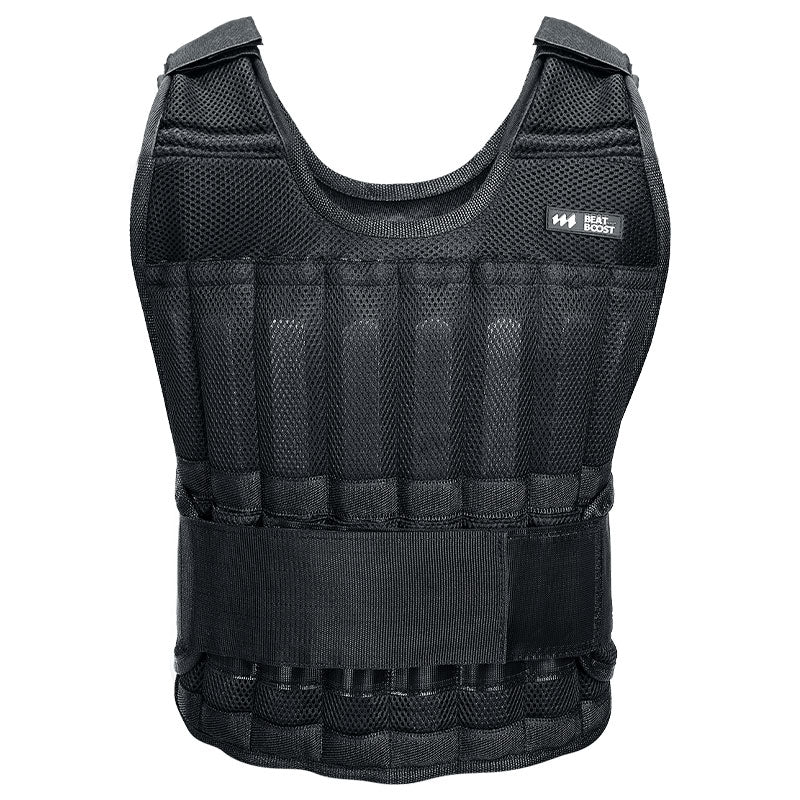
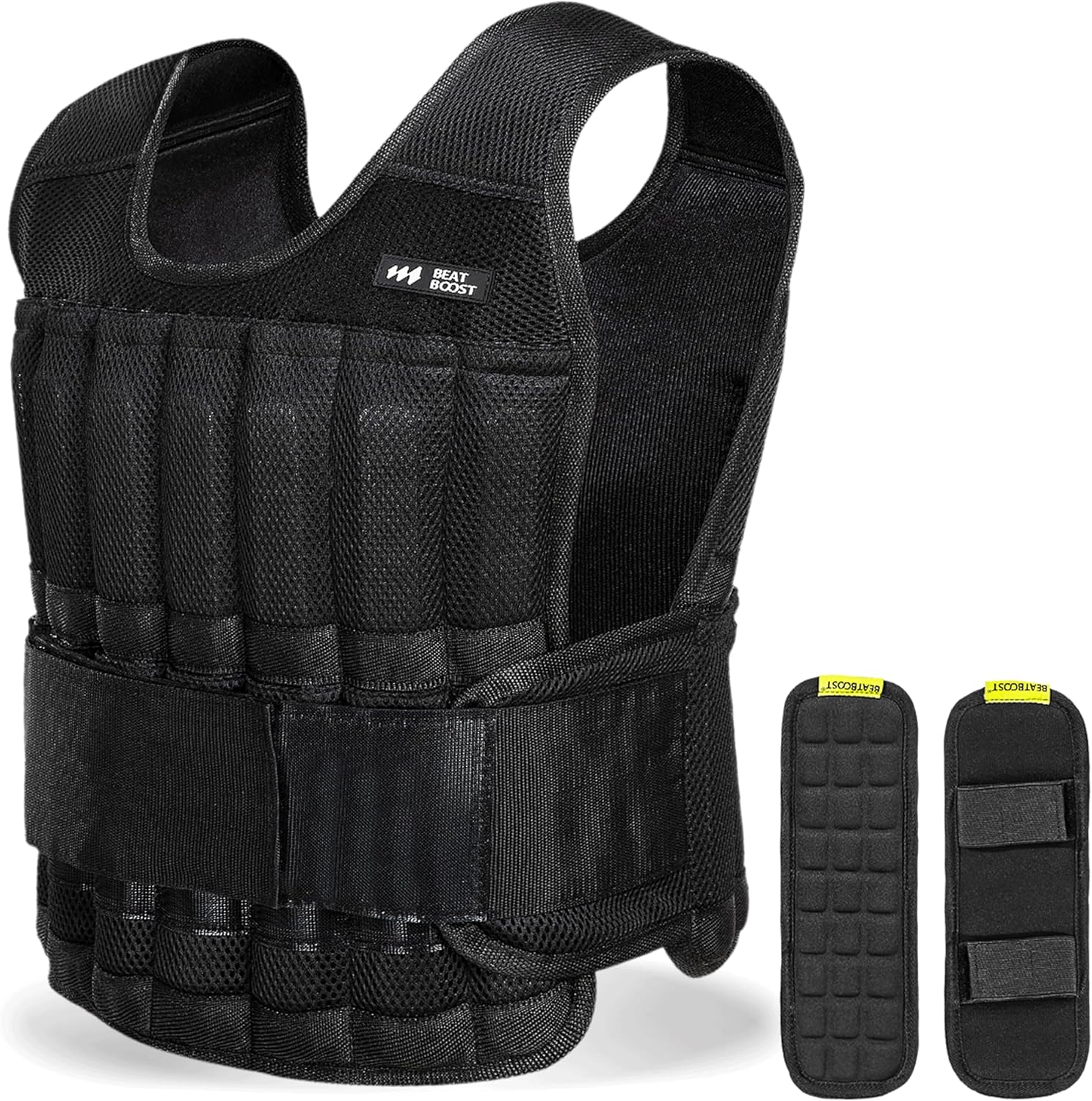
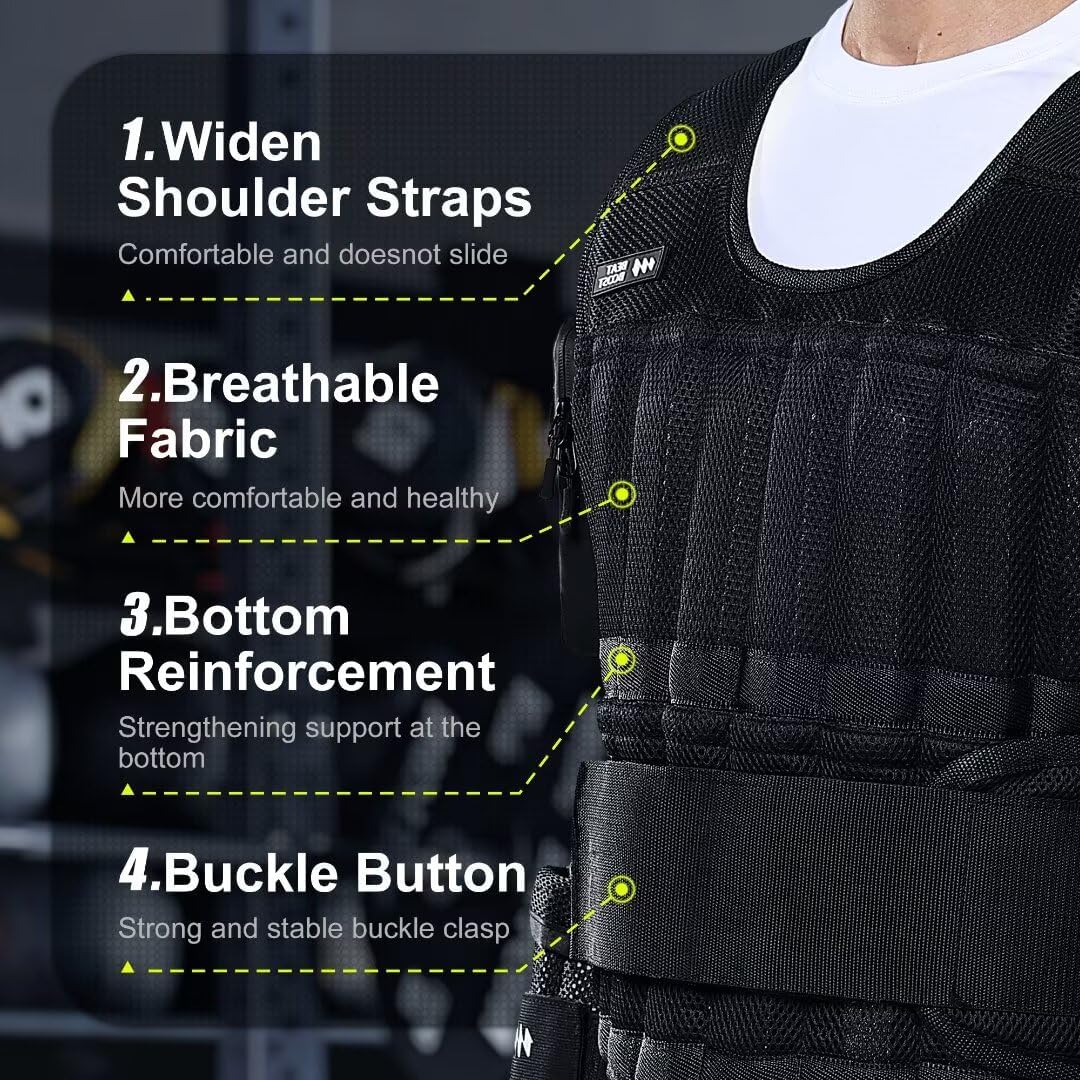
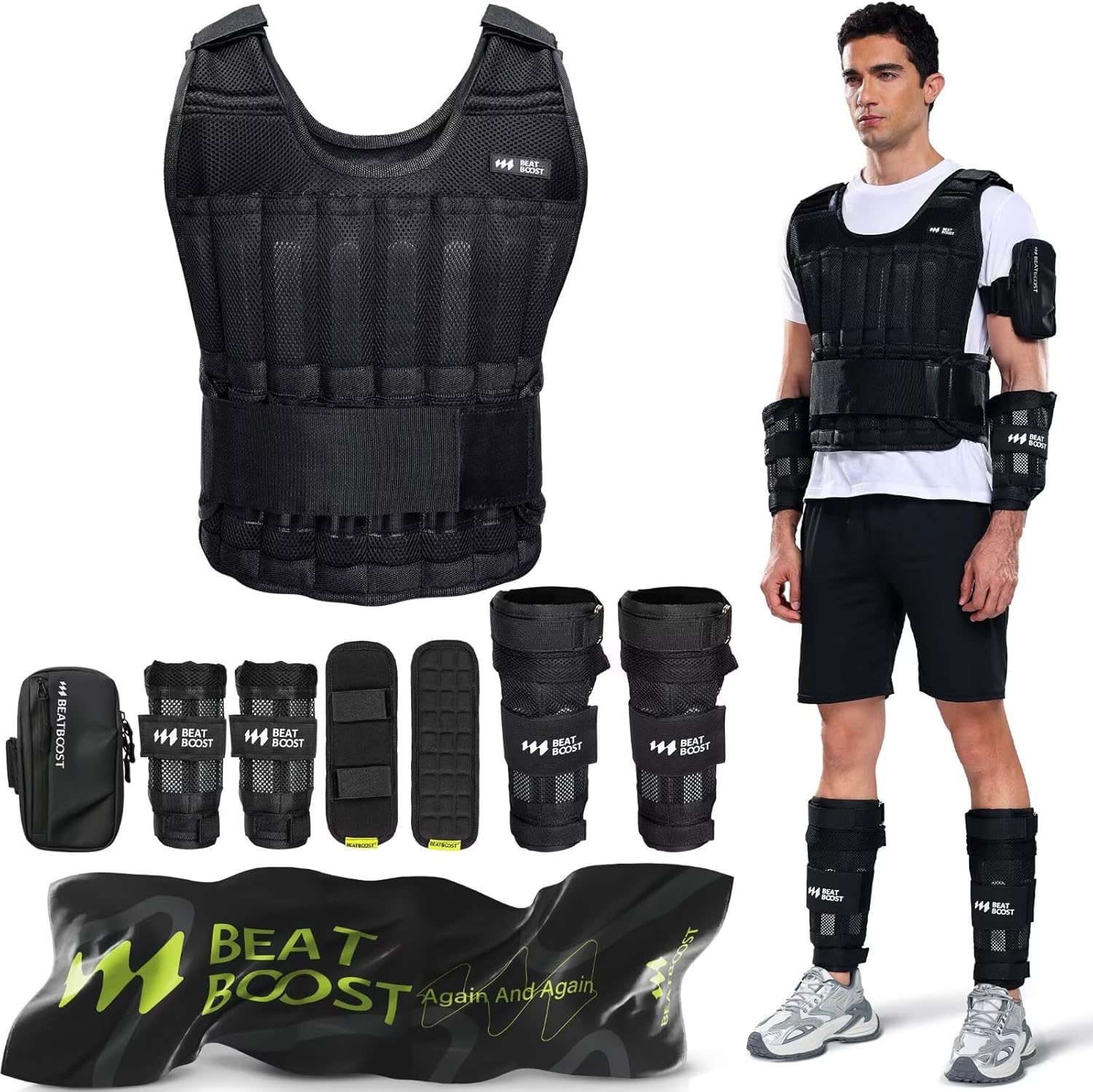
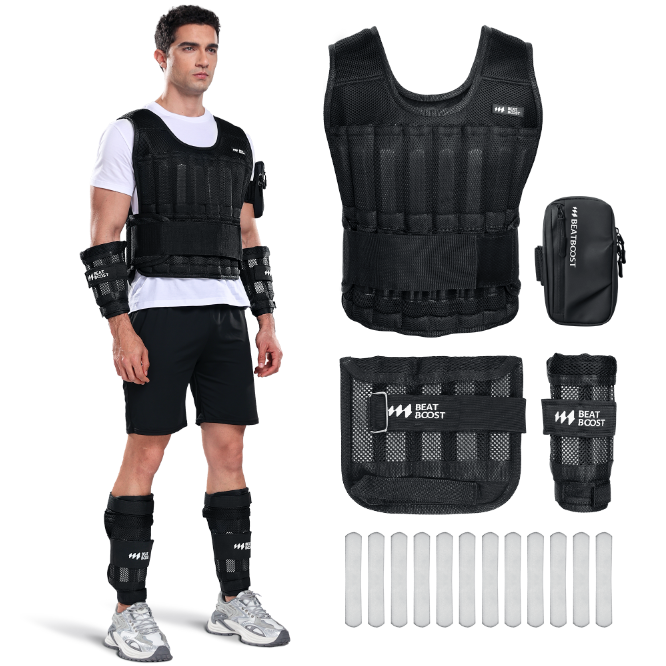
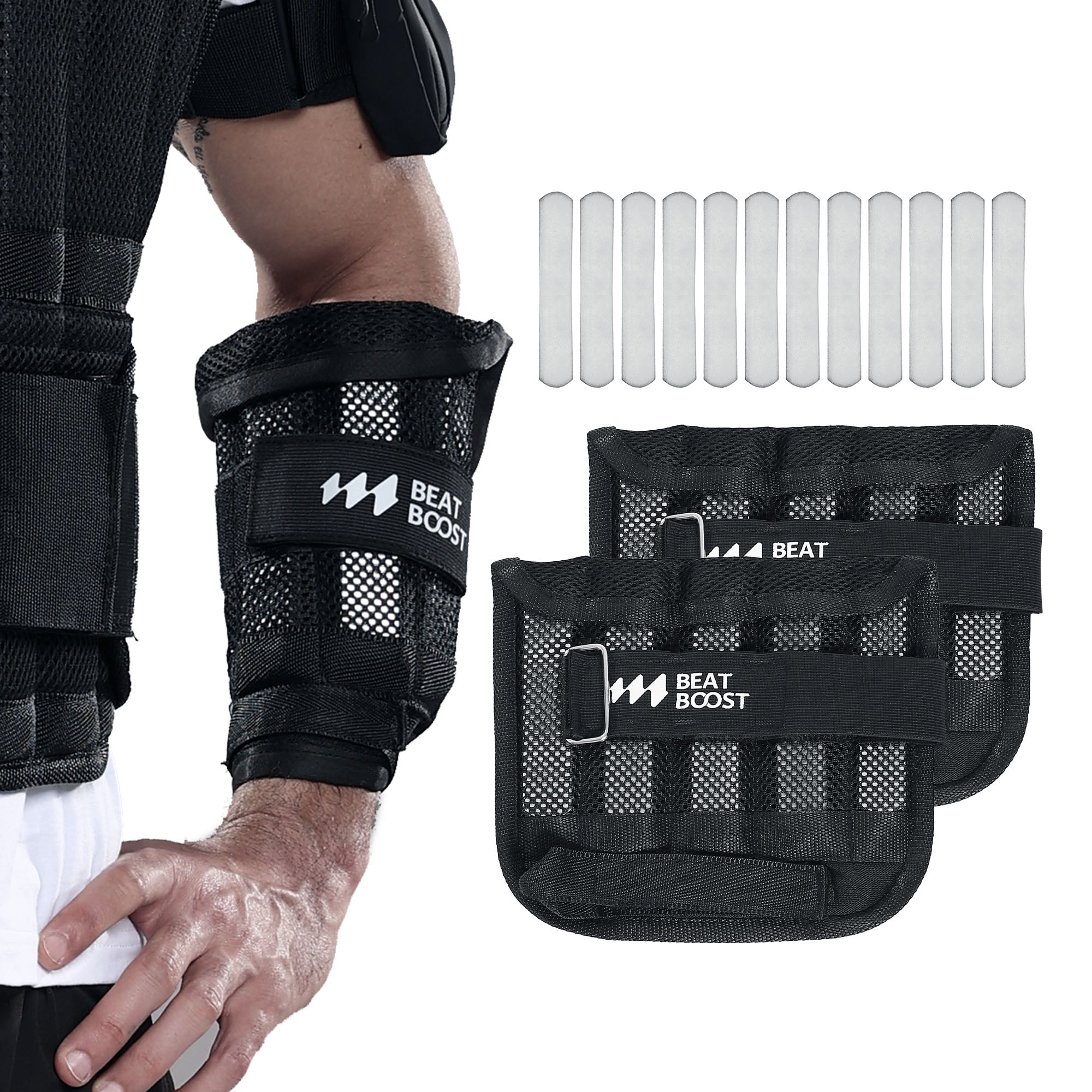
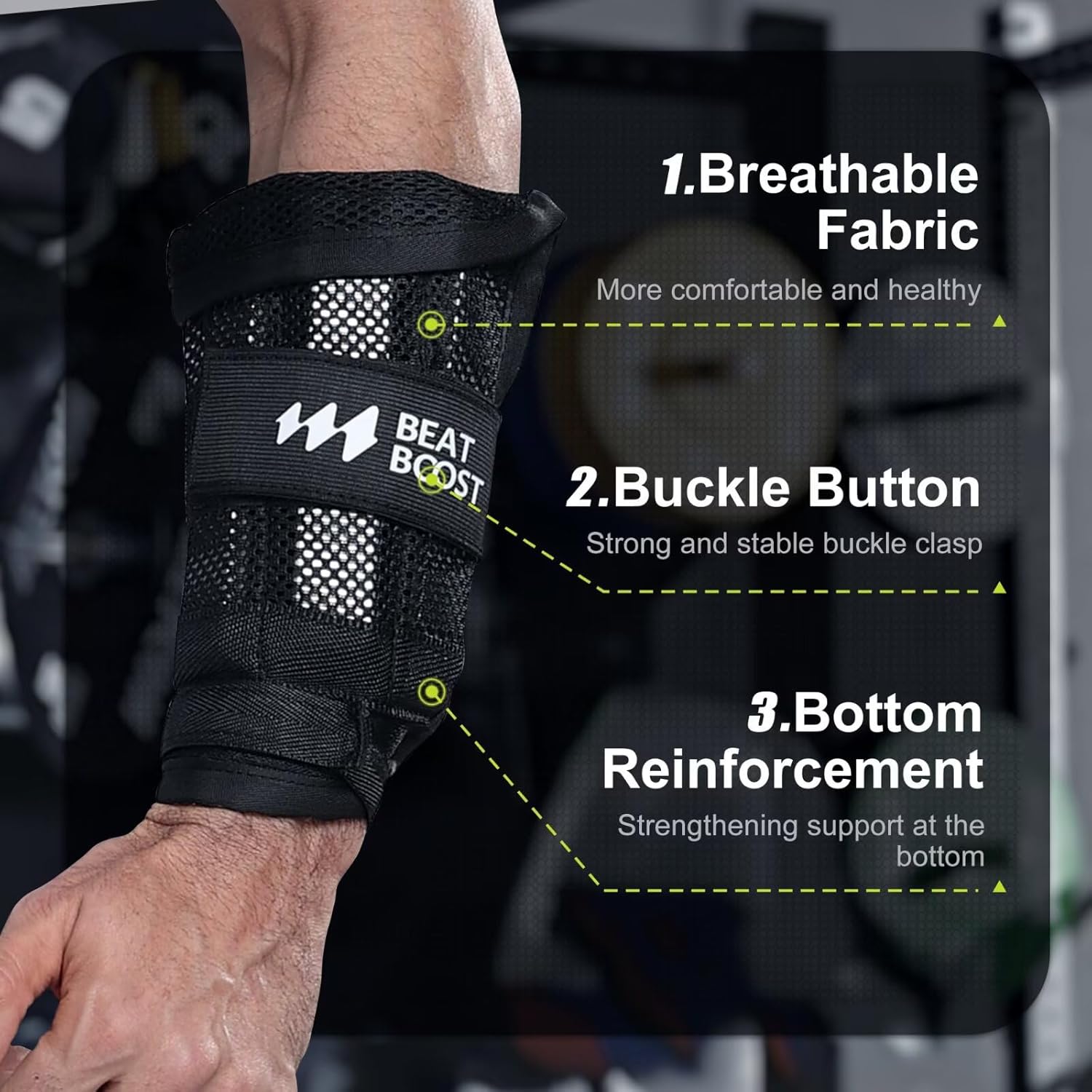
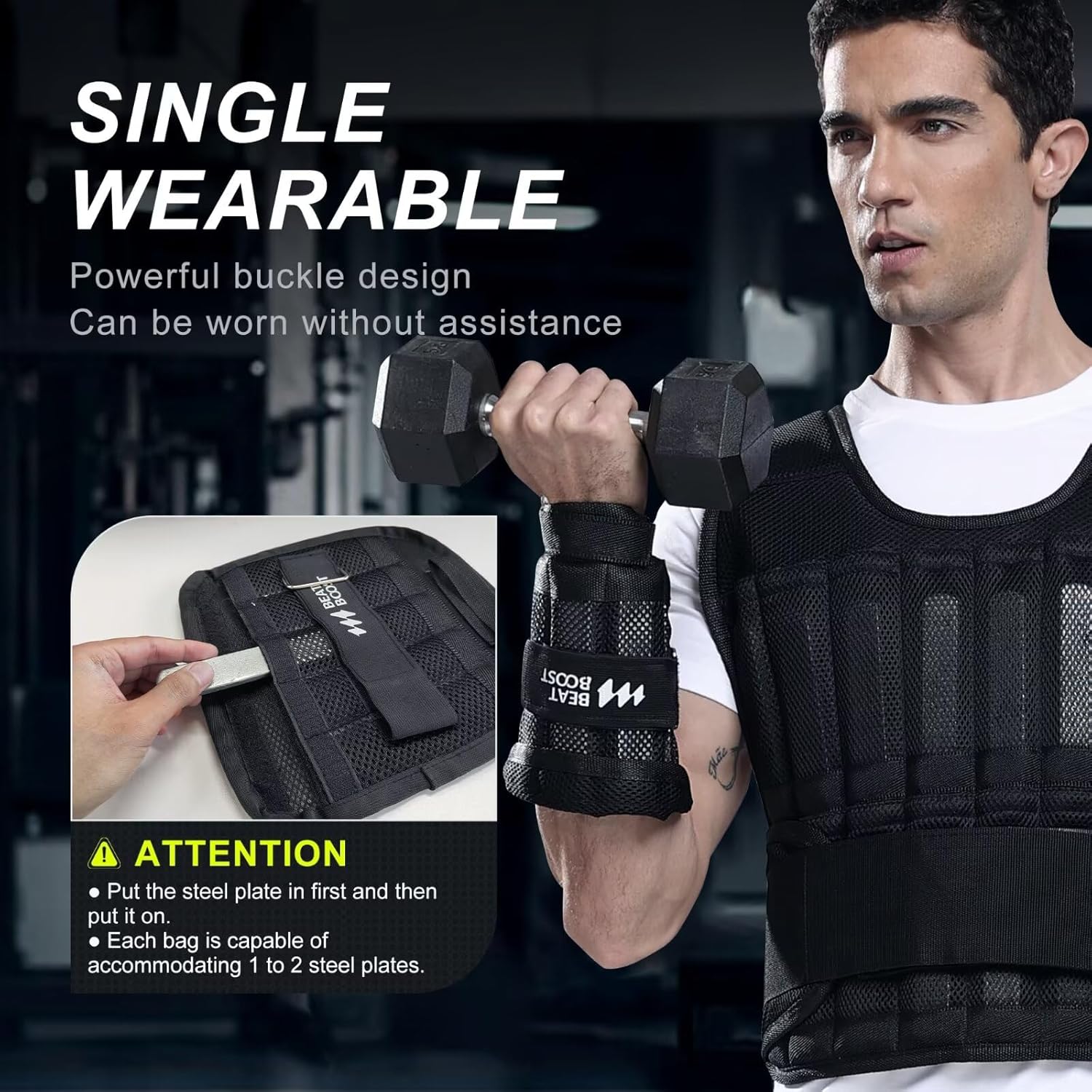
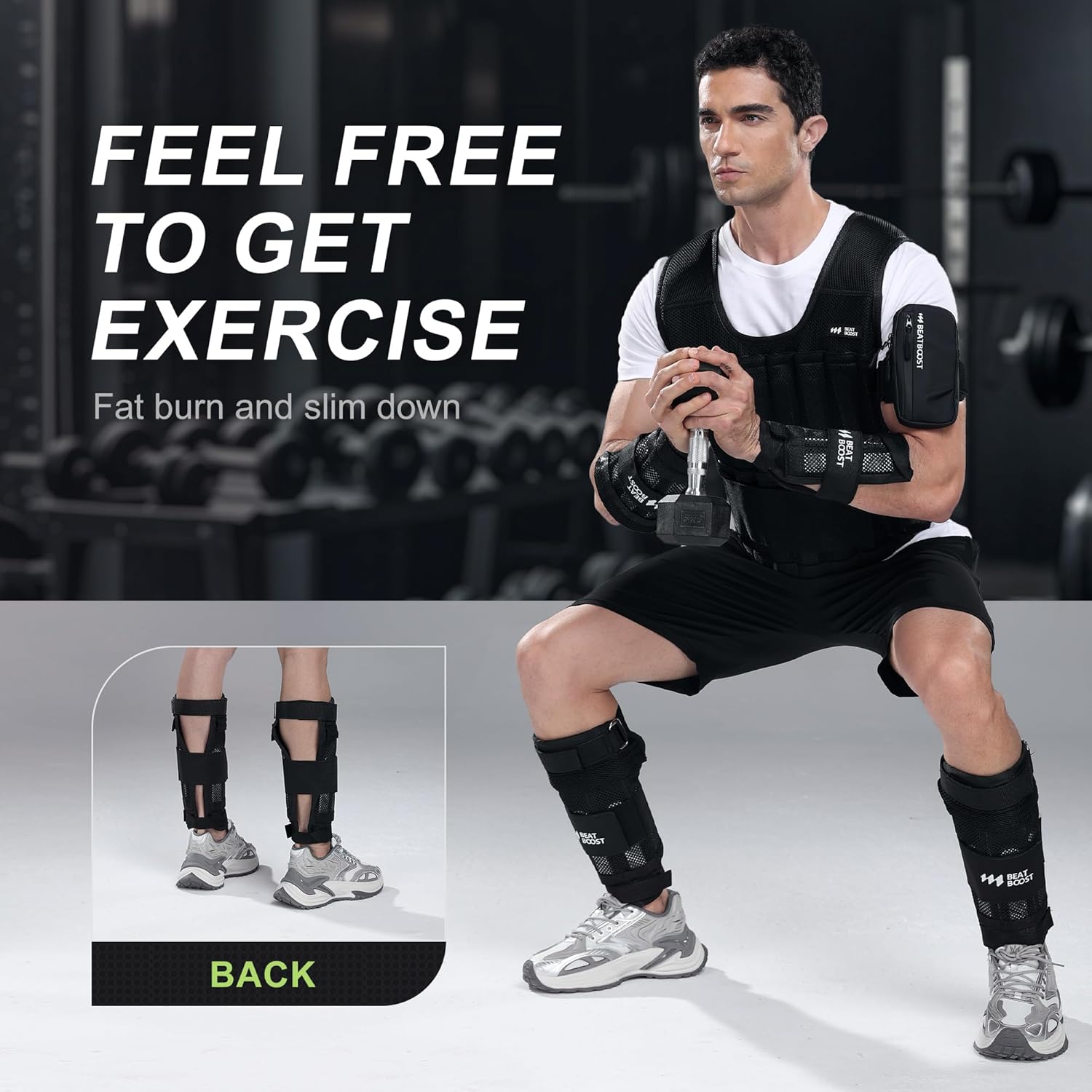
What to look for instead: Look for a BeatBoost Weighted Vest featuring a secure, full-torso wrap design. Distributing the load evenly across your chest and upper back mimics your natural body mass, keeping your posture upright and your breathing unobstructed during long walks or rucking sessions.
3. How to Start: The Big-Guy Walking & Rucking Protocol
You don't need to run or jump to get an incredible workout. In fact, for individuals over 200 lbs, low-impact loaded carrying (rucking) is the gold standard for fat loss.
-
Week 1–2 (Acclimation): Wear a 20lb vest during regular daily walks for 20 to 30 minutes. Focus entirely on keeping your shoulders back, chest open, and core engaged. Do not slouch forward.
-
Week 3–4 (Progression): Extend your walking time to 45 minutes, or introduce mild inclines. Let your body dictate when it is ready to scale up in duration before you ever scale up in weight.
Ready to Train Smarter? Claim Your Gear Today
Protecting your joints doesn't mean compromising on intensity. Whether you are stepping up your daily walks or building a bulletproof core, having the right equipment makes all the difference.
Special Offer: Take advantage of our Flash Sale happening right now! Enjoy 15% off sitewide on all BeatBoost Weighted Vests and training gear. No coupon code required—your 15% automatic discount will be applied instantly at checkout.
Share:
Say Goodbye to Chafing: Why Our New Women's Wearable Weights Change the Game