


You don’t need a gym membership or a massive stack of dumbbells to build serious cardiovascular endurance and torch body fat. Sometimes, all you need to do is step outside your front door. But if regular steady-state cardio is starting to feel a bit too easy, it’s time to progressive-overload your pavement pounding.
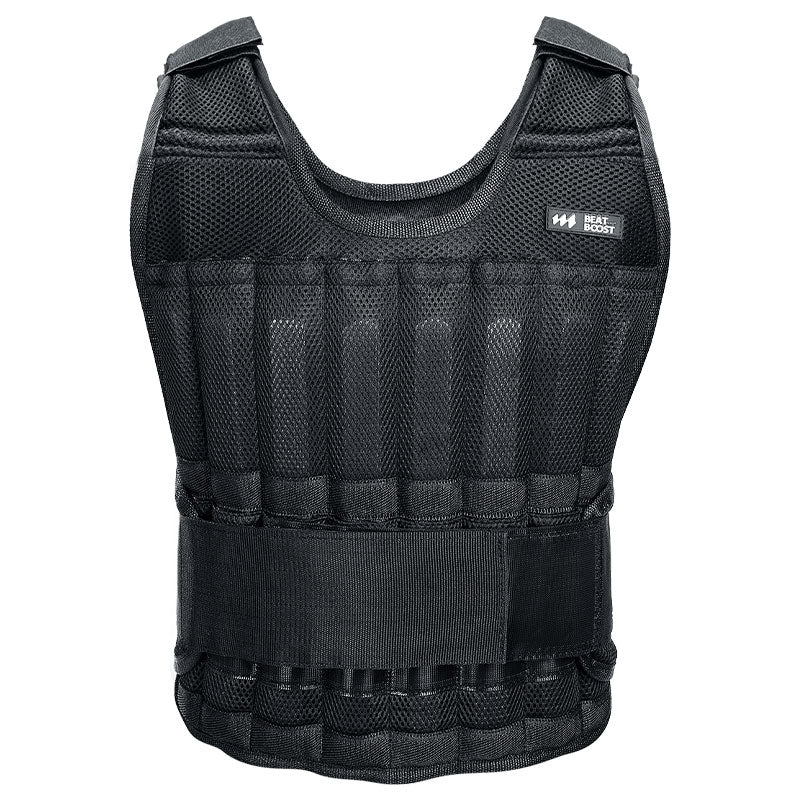
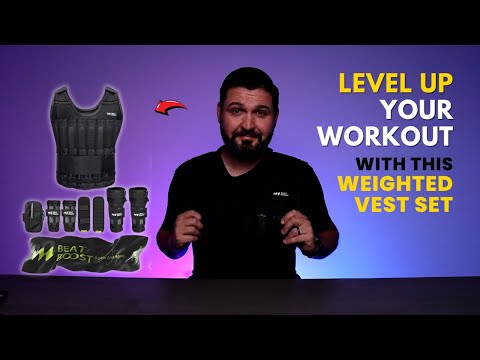
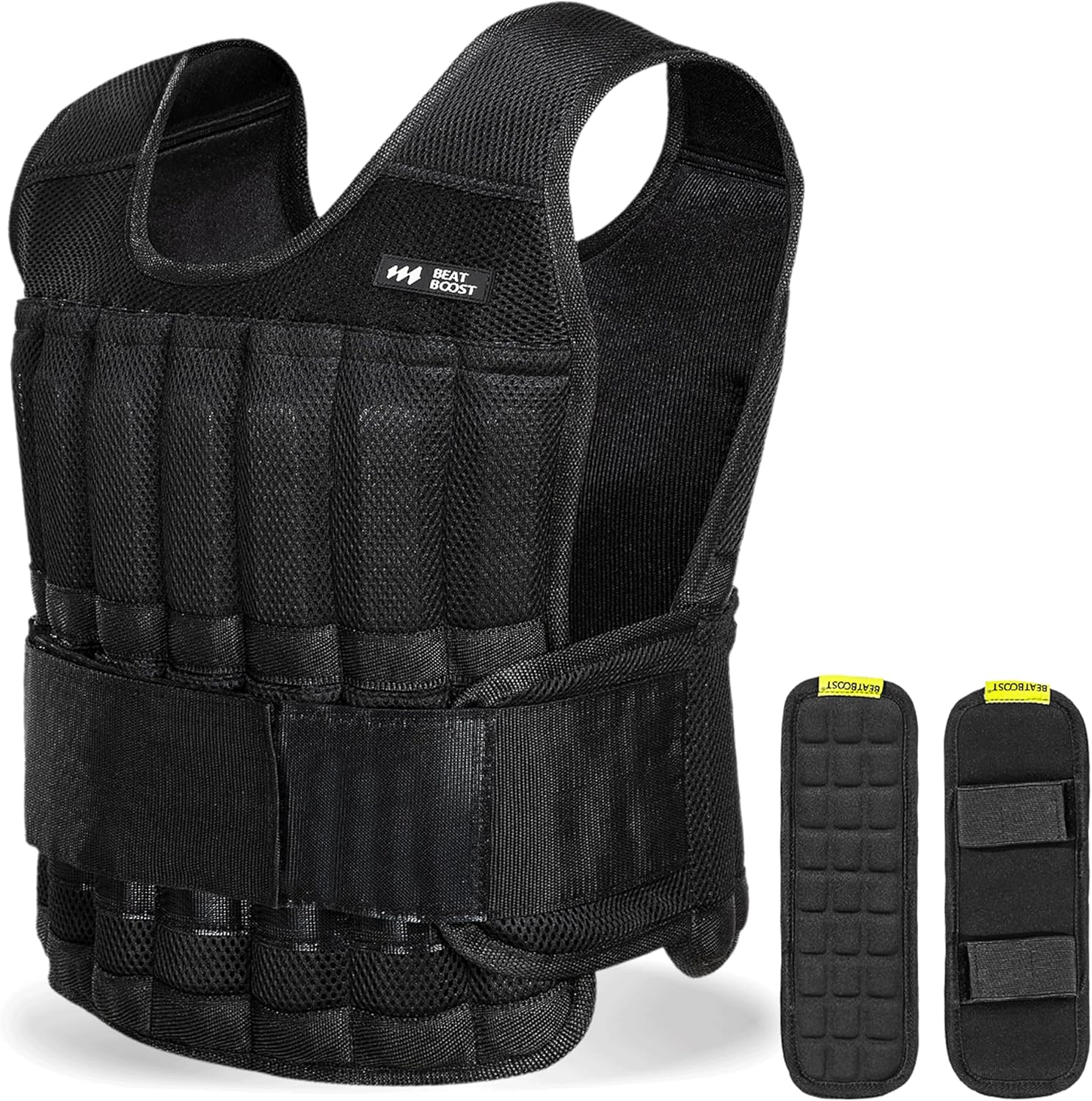
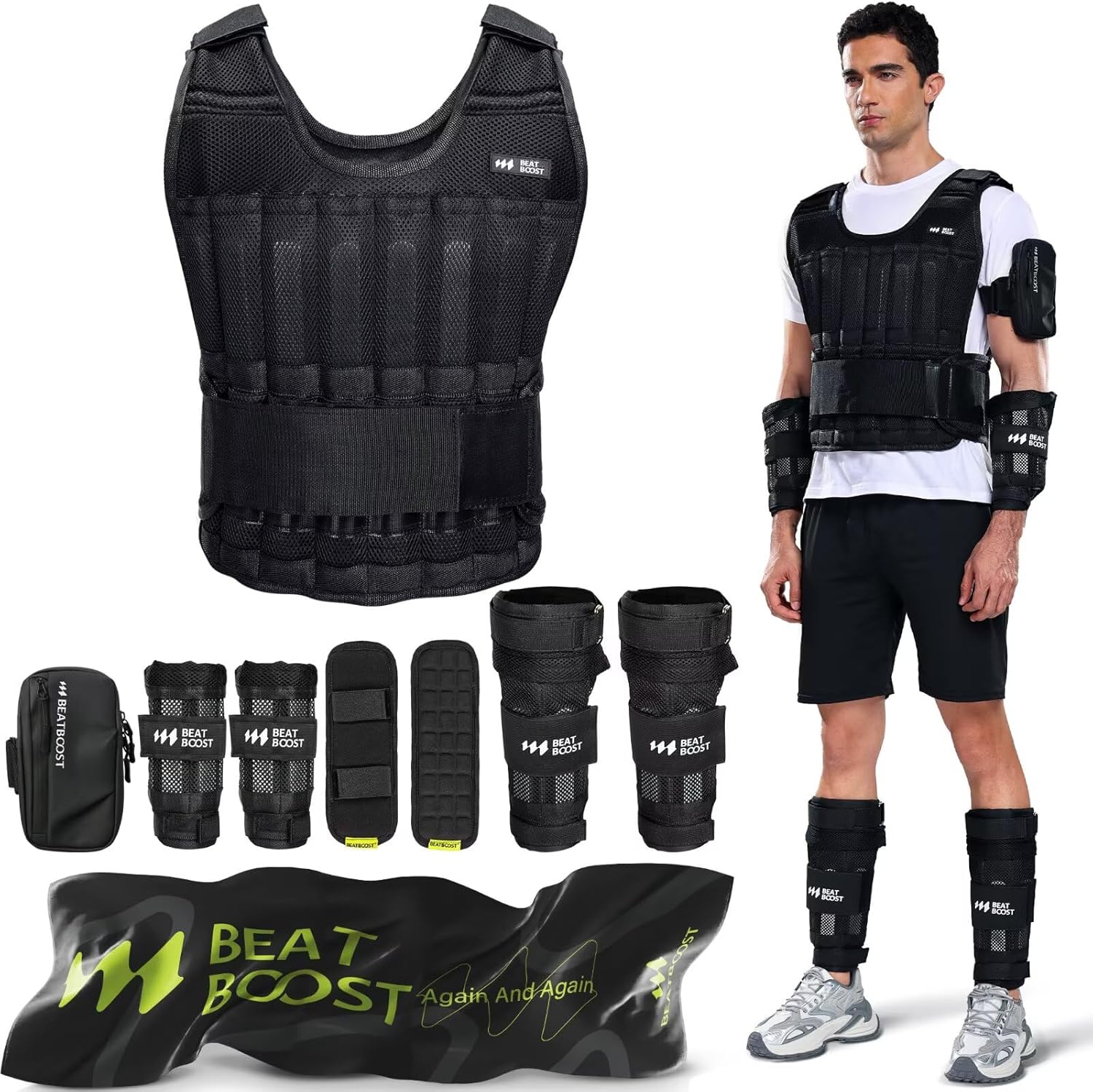
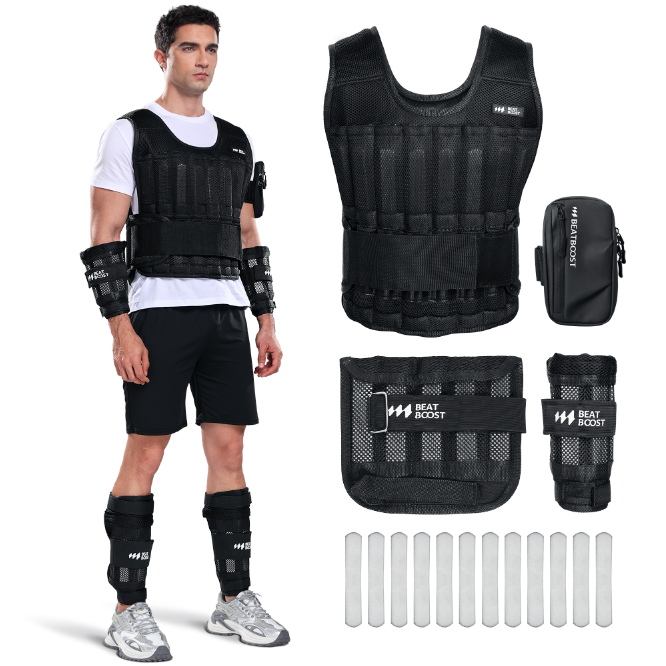
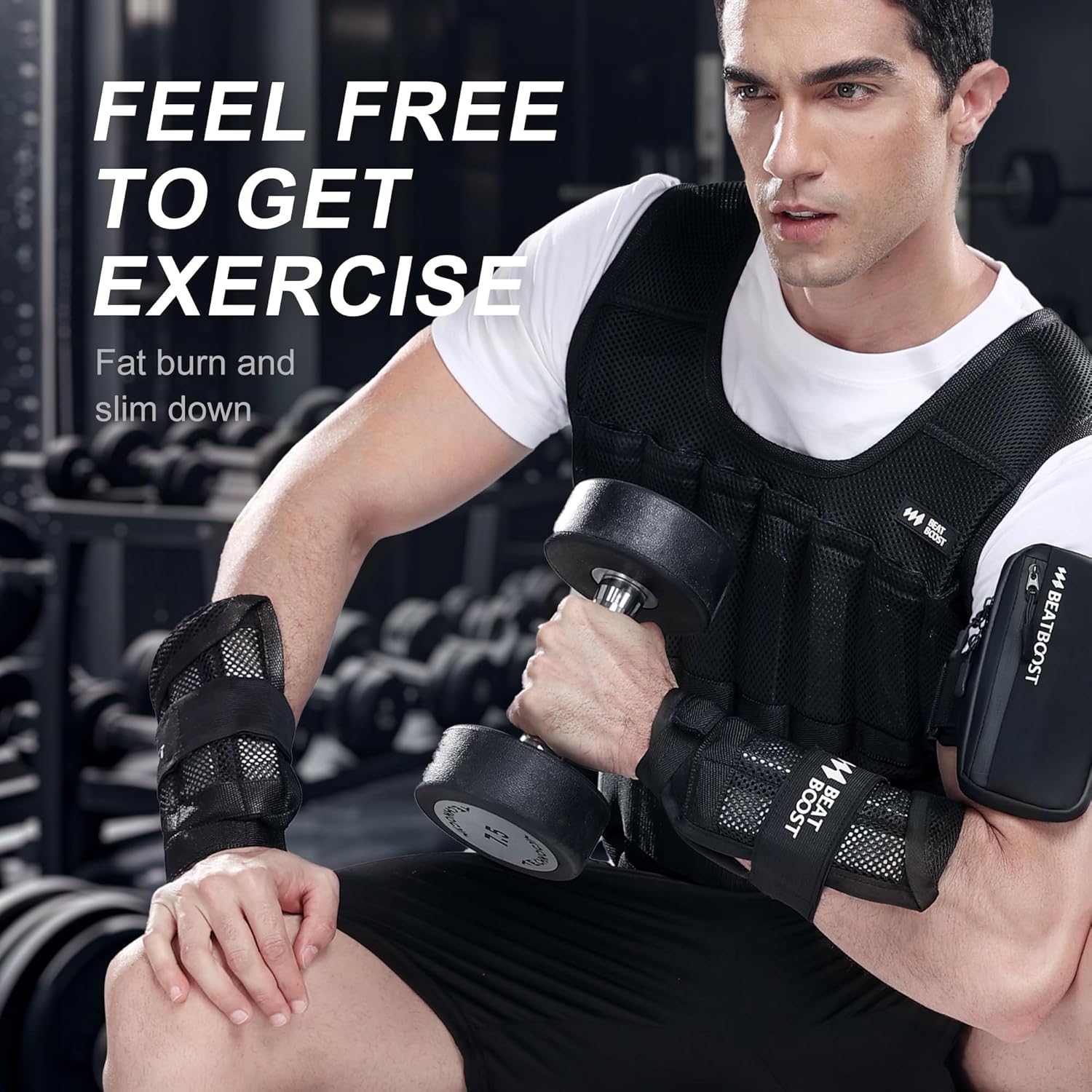
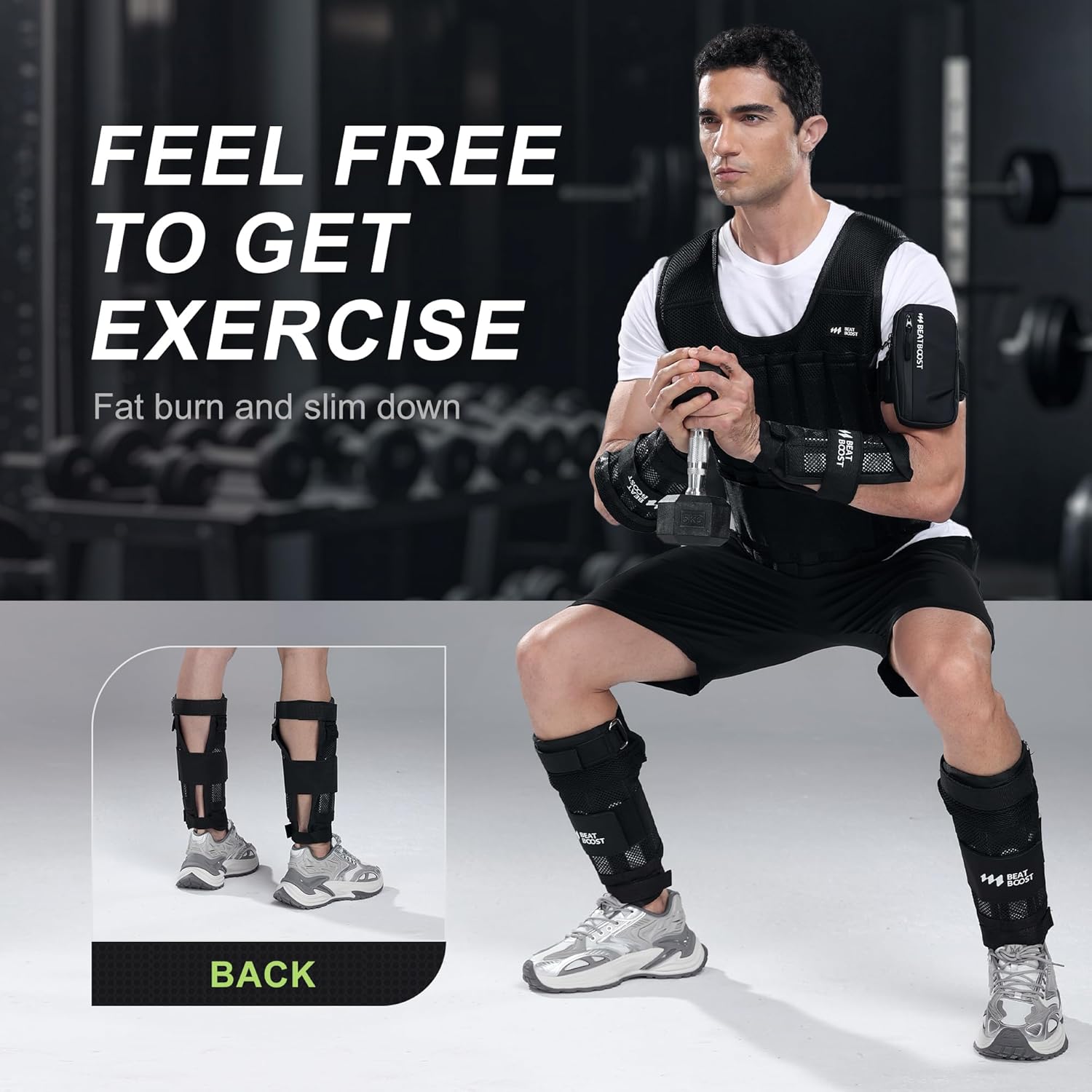
Incorporating a weighted vest for walking and running is one of the most efficient ways to spike your heart rate, build core stability, and increase your caloric burn without altering your natural stride.

But before you strap on maximum weight and sprint down the block, let's talk about how to do it without wrecking your joints:
-
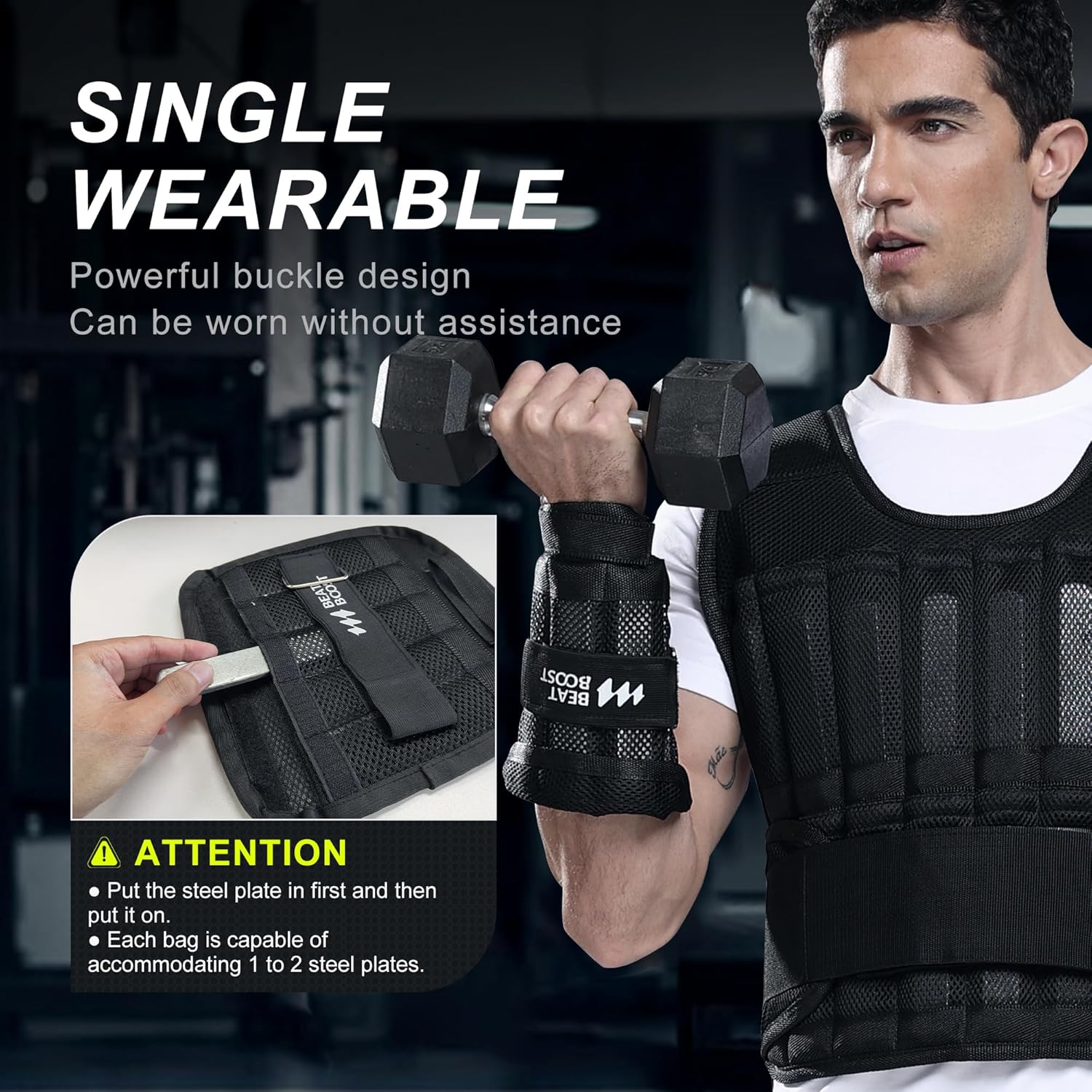
Start Light, Progress Slow: If you are using a vest with adjustable steel plates, start with just a fraction of the total weight. Get used to walking with an extra 10 lbs before you even think about running with 20 lbs.
-
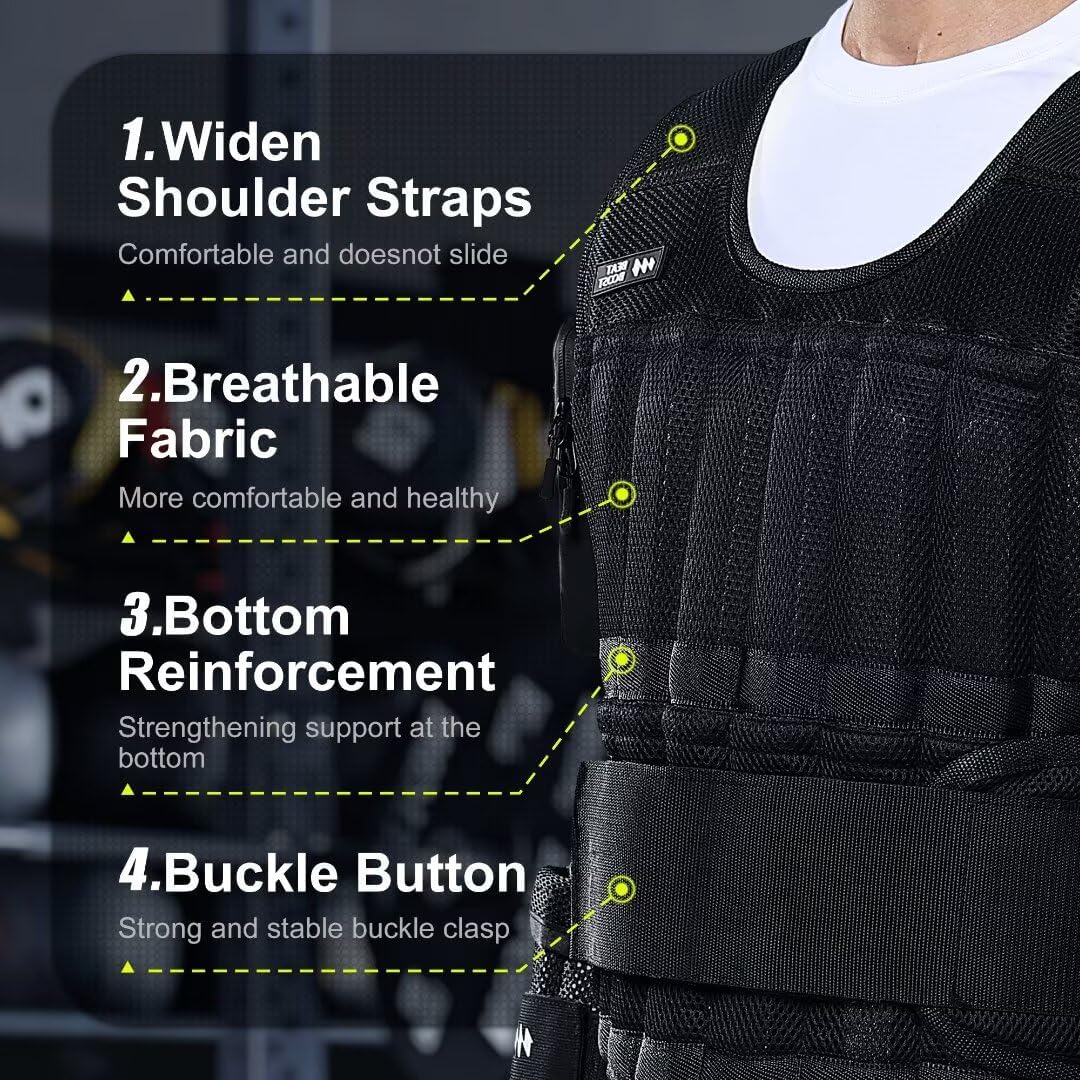
Lock Down the Fit: A bouncing vest is a recipe for chafing and lower-back strain. Pull those side elastic tabs tight. The vest should move with your torso, not against it. If the pouches are bumping your arms while you walk, pull the straps tighter to secure the fit.
-
Check Your Posture: The beauty of a balanced vest is that it naturally pulls your shoulders back, helping with posture. Keep your chest up, eyes forward, and let the extra resistance do the heavy lifting.
From community jogs to hiking trails, adding a sleek layer of weight turns every step into a strength-building move.
Share:
Steel Over Sand: The Science Behind an Adjustable Weighted Vest with Steel Plates
From Walking to Crushing It: A Big Man's Guide to Weighted Resistance